Tag Archives: Cultural Heritage Preservation

Billie Holiday@100

Today is the centennial of the birth of Billie Holiday. Contrary to popular belief, she was not born in Baltimore. Lady Day was born on April 7, 1915 at Philadelphia General Hospital.

The misapprehension about Holiday’s place of birth may account for why she hasn’t been inducted into the Walk of Fame. Despite her arrests and conviction in Philadelphia, she had love for her hometown. It was, after all, the place where she could work in the nightclubs. After her conviction, she lost her New York City cabaret card and could not work in places where alcohol was sold. So she could perform at a sold-out Carnegie Hall, but couldn’t get a gig at a hole-in-the-wall in Harlem.

Parenthetically, Holiday was inducted into the Apollo Theater’s Walk of Fame yesterday.

Yes, there’s a historical marker noting that when Lady Day was in town, she often lived at the Douglass Hotel.
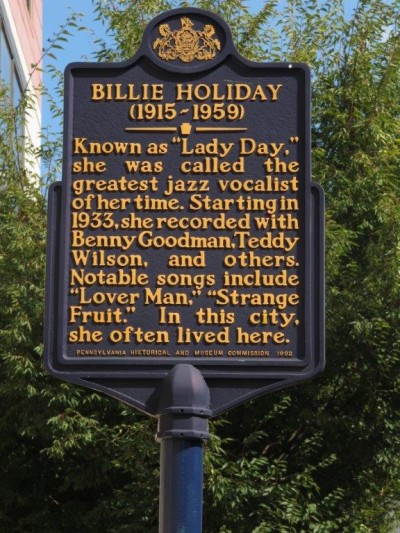
Billie Holiday Historical Marker

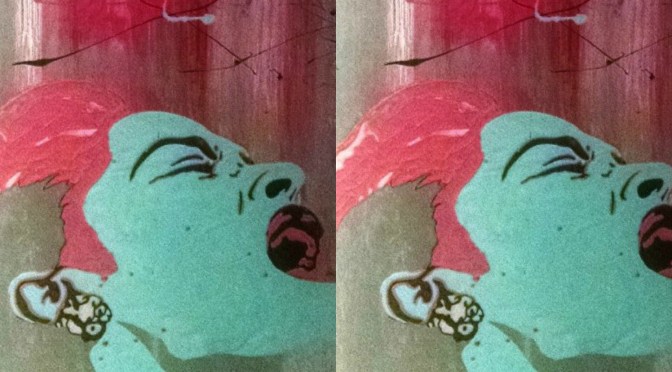
Holiday is depicted in the Women of Jazz mural in Strawberry Mansion. But the mural is scheduled to be demolished by the Philadelphia Housing Authority.

Women of Jazz Mural Collage - 4.5.15

The Walk of Fame plaque is the highest honor Philadelphia bestows on a musician:

The Music Alliance is best known for the Walk of Fame along Broad Street’s Avenue of the Arts. This series of over 100 bronze commemorative plaques honors Philadelphia area musicians and music professionals who have made a significant contribution to the world of music. The Walk of Fame is the City’s most impressive public monument to the people who have made Philadelphia a great music city.

It’s never too late to do the right thing. So I nominated Billie Holiday for induction into the Walk of Fame.

Billie Holiday - PMA

Happy birthday, Lady Day. We love you more than you’ll ever know.

UPDATE: The Philadelphia Music Alliance announced that “as a special birthday gift,” Billie Holiday is the newest inductee into the Walk of Fame. In a statement, Chairman Alan Rubens said:

The Philadelphia Music Alliance wanted to present what we think is a ‘perfect’ birthday gift to an extraordinary vocalist, Billie Holiday, and announce her induction on her 100th birthday. It will be an absolute pleasure to be able to walk down Broad Street and see her name where it rightfully belongs, on the Philadelphia Music Walk of Fame, with other homegrown jazz giants like John Coltrane, Dizzy Gillespie, McCoy Tyner, and Grover Washington, Jr.

Again, it’s never too late to do the right thing.

Bird Cage Lounge

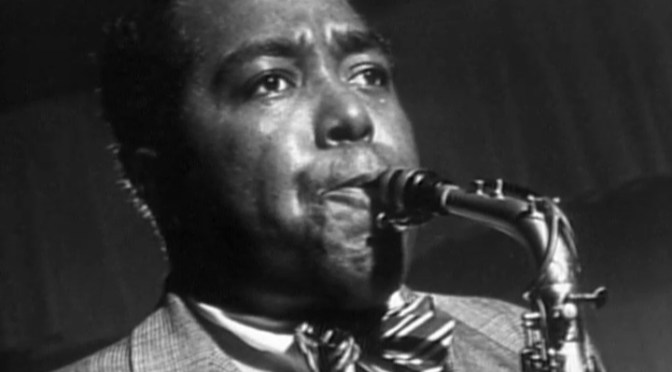
As a young boy Steven Berry, director of “Jazz in Philadelphia,” used to shine shoes outside of the Bird Cage Lounge which was located in North Philly on Ridge Avenue. One day he had a chance encounter with Charlie “Bird” Parker. He later shared what happened with an uncle. His uncle’s enthusiasm was contagious – Berry was hooked on jazz for life.

Bessie Smith: HBO Films

Written and directed by Dee Rees, “Bessie” follows the life and times of legendary “Empress of the Blues” Bessie Smith (played by Queen Latifah).”Bessie” also stars Mo’Nique, Khandi Alexander, Charles S. Dutton, Mike Epps and Tika Sumpter.

The biopic will premiere on HBO on Saturday, May 16, 2015. For more info, visit BessietheMovie.com.

Remembering Billie Holiday, For Real

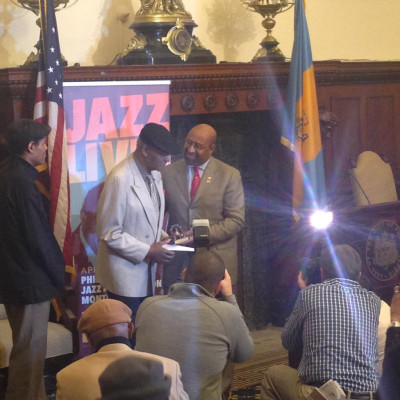
At today’s kickoff of Philadelphia Jazz Appreciation Month, it was music to my ears when Mayor Michael A. Nutter mentioned a news article about Billie Holiday in which I was quoted. I noted that Lady Day does not have a plaque on the Walk of Fame.

The Mayor is on it. He plans to talk with the Philadelphia Music Alliance, the nonprofit organization that’s responsible for the Walk of Fame. PMA touts that it is “Philadelphia’s largest and most important single monument honoring outstanding contributions to this city’s rich and diverse musical heritage.”


After the press conference, I introduced myself to Nutter. He immediately said we should work together to make sure Lady Day takes her rightful place among the jazz legends on the Avenue of the Arts.

Walk of Fame Plaques - Overview

I don’t think PMA needs to explain why Holiday does not have a plaque on the Walk of Fame. The nomination process seems to be straightforward. So while I don’t think any slight is intended, the oversight should be corrected as soon as possible.

For more info, contact All That Philly Jazz.

In Philadelphia, Jazz Lives

The 5th Annual Philadelphia Jazz Appreciation Month celebration is underway.

Jazz Lives - McCoy Tyner

The 2015 Philadelphia Jazz Honoree is West Philly native McCoy Tyner, a four-time Grammy winner and NEA Jazz Master. Mayor Michael A. Nutter gave Tyner an inscribed Liberty Bell, the equivalent of the keys to the city.

McCoy Tyner - 4.1.15

Tyner said his Philly roots are deep:

It’s wonderful to be back home in Philadelphia. I would like to thank the Mayor and the people of this great city for making this possible for me. No matter where I am in the world, Philadelphia always has a special place in my heart.

For information about Philadelphia Jazz Appreciation Month events, visit www.creativephl.org/jazz.

Chez LaBelle

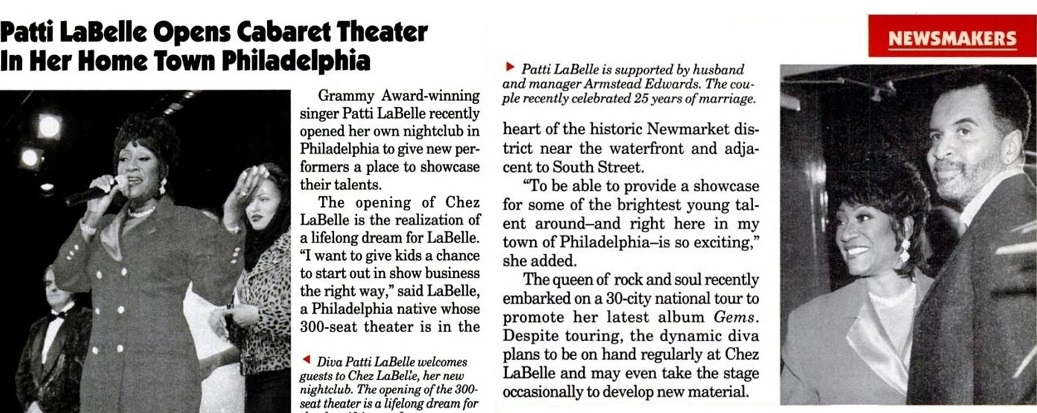
Pianist Orrin Evans played gigs at Chez LaBelle during the spring. From the Oct. 31, 1994 issue of Jet Magazine:

Jet Magazine - 10.31.1994

Women in Jazz: Pearl Bailey

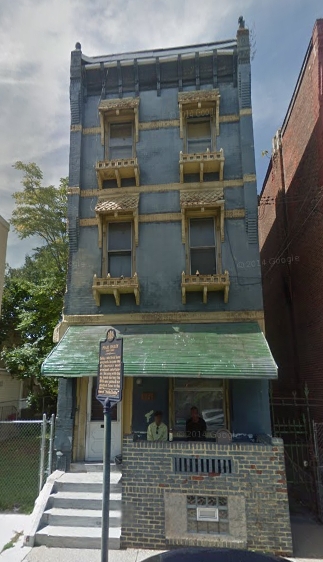
As Women in Jazz Month winds down, I want to salute Pearl Bailey who began her singing and dancing career at the Pearl Theater in Philadelphia. She lived in this house which is located just a few blocks from North Philly’s famed “Golden Strip.”

Pearl Bailey House

In 1946, Bailey made her Broadway debut in St. Louis Woman, a musical written by Harold Arlen and Johnny Mercer.

‘Sounds Jewish’ Symposium

Earlier today, I attended a symposium organized by the Feinstein Center for American Jewish History at Temple University, “Sounds Jewish.” The event featured an awesome array of panelists who shared their experiences and stories.

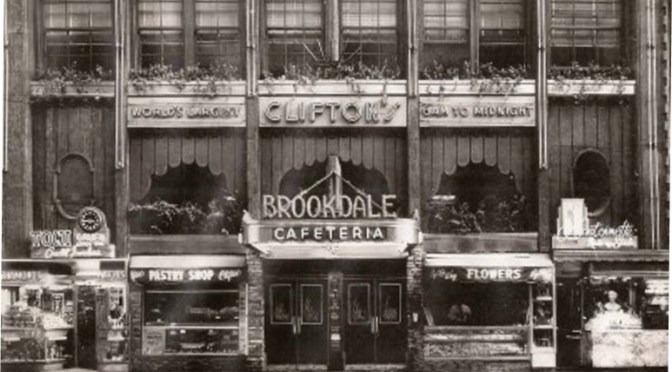
Josh Kun recounted the story of a busboy who once worked at Los Angeles’ landmark Clifton’s Cafeteria. During a break Jimmy Witherspoon’s “Ain’t Nobody’s Business” was playing on the radio. He asked the black cook who that was. The busboy decided then and there he would write music for black artists.

And he did. The busboy was Jerry Leiber. He later became one half of the legendary songwriting and producing team, Jerry Leiber and Mike Stoller. They wrote hits for, among others, the Coasters, Drifters, Charles Brown and Big Mama Thornton.

It must have been a surreal experience for Leiber when he heard Jimmy Witherspoon’s “Real Ugly Woman” on the radio. He and Stoller wrote it.

Women in Jazz: Vi Redd

Elvira “Vi” Redd (born September 20, 1928) is an American jazz alto saxophone player, vocalist and educator. She has been active since the early 1950s and is known primarily for playing in the bebop, hard bop and post-bop styles. She is highly regarded as an accomplished veteran who personally knew Dizzy Gillespie and has performed with such stars as Count Basie, Rahsaan Roland Kirk, Linda Hopkins and Marian McPartland.

READ MORE

Whose Murals Get Saved?

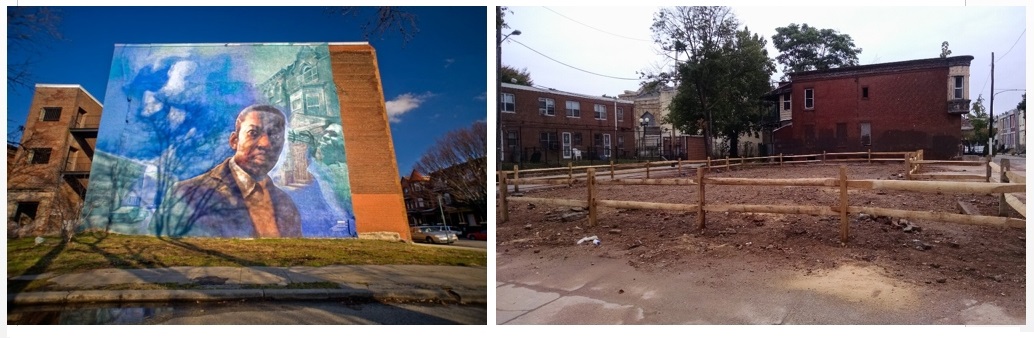
They say that “blues ain’t nothing but a botheration on your mind.” It’s bothersome that developers are erasing African Americans’ cultural heritage. In Philadelphia, developers routinely – and without notice – demolish or cover up murals that are paid for in part by City taxpayers.

John Coltrane Collage

Murals are part of Philadelphia’s cultural landscape. The Mural Arts Program creates murals that engage the community. They reflect a community’s history, identity, hopes and dreams.

Women of Jazz Mural

City Council members can use Councilmanic Prerogative to require that developers of publicly-subsidized projects replace murals of social or cultural significance. Who will determine which mural meets that threshold? Let’s stipulate that murals that tell stories about events or persons who are the subject of books, songs, documentaries, national holiday, or City and congressional resolutions are culturally significant.

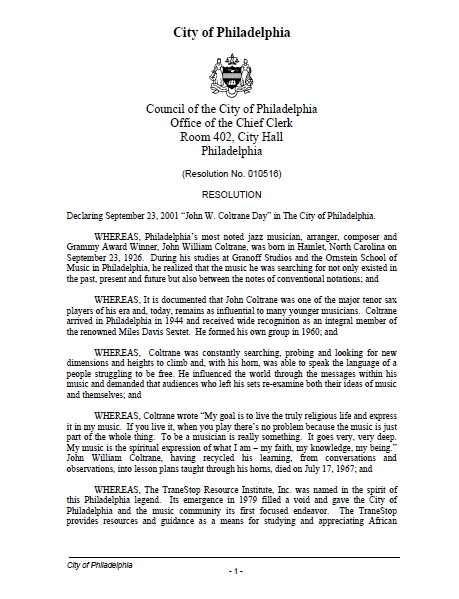
City Council Resolution - June 2001

The how of replacement is negotiable. What is non-negotiable is that developers can erase African Americans’ cultural heritage because, to borrow a phrase from Al Gore, there is “no controlling legal authority.” A district Council member is the controlling legal authority in his or her district. He or she decides which projects go forward and which ones go nowhere. While developers view murals as disposable, district Council members must exercise their prerogative and demand that they respect that which came before.