Category Archives: John Coltrane House

Whose Legacy Is Preserved in Public Memory?

Earlier this year the John Coltrane House Philadelphia was named to the 2020 Preservation at Risk. The Coltrane House is a National Historic Landmark, the highest designation for a historic property. Coltrane enthusiasts worldwide should be outraged that the place where Coltrane composed “Giant Steps” and experienced a spiritual awakening has fallen into disrepair. 

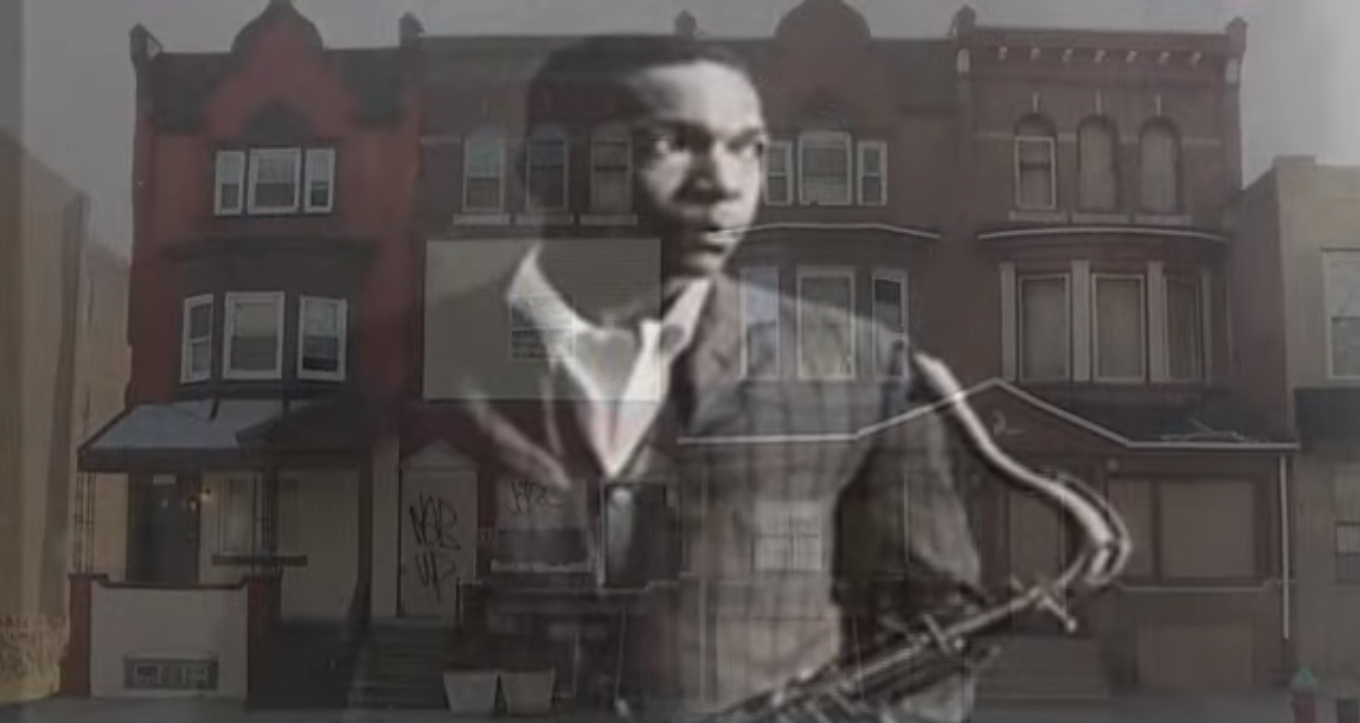
John Coltrane House

Before the coronavirus lockdown I was having conversations with credible parties who were interested in the property. Those conversations are now on pause.

In a 2016 interview with CBC Radio, artist, preservationist and urban planner Theaster Gates observed that preservation is not a neutral process:

If you look at the John Coltrane House, it’s not worthy of a particular architectural value but John Coltrane is the most important jazz musician ever in the world, one might say. And how can that Philly house, how can that New York house, just be left to rot. Because my fear is sometimes when you take the material thing away, it becomes that much easier to forget the thing altogether, to forget the person altogether.

[…]

Preservation starts with caring for the material things and then there’s the harder question of like what did this person’s legacy typify? … There should be these reminders in the world that help conflate our today and our histories lest we forget.

For 20 years, the City of Philadelphia spent untold thousands of dollars preserving and securing the Frank Rizzo statue to white supremacy. The statue was finally removed in the wake of a fiery protest. Meanwhile, the city has not spent a dime to preserve the Coltrane House.

It’s not enough to celebrate Coltrane’s birthday on September 23, write about “the most important jazz musician ever in the world,” or sing his praises on social media. We must remind current and future generations about Coltrane by preserving his legacy in public memory. 

Historic Preservation and Racial Justice

All That Philly Jazz Director Faye Anderson was recently interviewed by the Advisory Council on Historic Preservation. The federal agency “promotes the preservation, enhancement, and sustainable use of our nation’s diverse historic resources, and advises the President and the Congress on national historic preservation policy.” The following is an excerpt from the interview.

What led you to your field?
I am a lifelong social justice activist. But I am an “accidental” preservationist. My interest in historic preservation was piqued by the historical marker that notes Billie Holiday “often lived here” when she was in Philadelphia. I went beyond the marker and learned that “here” was the Douglass Hotel. I wanted to know why Lady Day stayed in a modest hotel when a luxury hotel, the Bellevue-Stratford (now the Bellevue Philadelphia), is located just a few blocks away. The Douglass Hotel was first listed in The Negro Motorist Green Book in 1938. The Green Book was a travel guide that helped African Americans navigate Jim Crow laws in the South and racial segregation in the North.
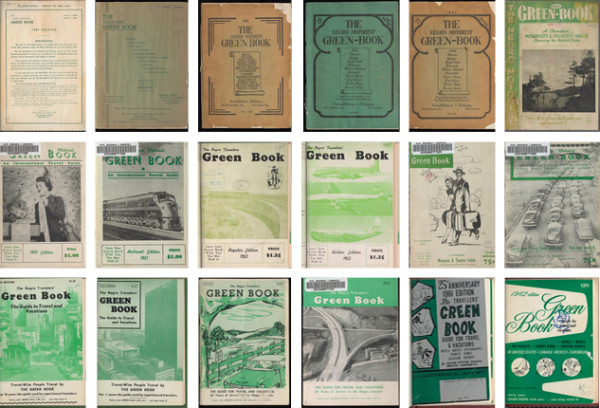
#GreenBookPHL Collage

How does what you do relate to historic preservation?
There are few extant buildings associated with Philadelphia’s jazz legacy. In cities across the country, jazz musicians created a cultural identity that was a stepping stone to the Civil Rights Movement. All That Philly Jazz is a crowdsourced project that is documenting untold or under-told stories. At its core, historic preservation is about storytelling. The question then becomes: Whose story gets told? The buildings that are vessels for African American history and culture typically lack architectural significance. While unadorned, the buildings are places where history happened. They connect the past to the present.

Why do you think historic preservation matters?
For me, historic preservation is not solely about brick-and-mortar. I love old buildings. I also love the stories old buildings hold. To borrow a phrase from blues singer Little Milton, if walls could talk, they would tell stories of faith, resistance, and triumph. Historic preservation is about the power of public memory. It’s about staking African Americans’ claim to the American story. A nation preserves the things that matter and black history matters. It is, after all, American history.

What courses do you recommend for students interested in this field?
Historic preservation does not exist in a vacuum. The built environment reflects social inequities. I recommend students take courses that will help them understand systemic racism and how historic preservation perpetuates social inequities. In an essay published earlier this year in The New Yorker, staff writer Casey Cep observed: “To diversify historic preservation, you need to address not just what is preserved but who is preserving it—because, as it turns out, what counts as history has a lot to do with who is doing the counting.”

Places associated with African Americans have been lost to disinvestment, urban planning, gentrification and implicit bias. For instance, the Philadelphia Historical Commission rejected the nomination of the Henry Minton House for listing on the local register despite a unanimous vote by the Committee on Historic Designation. The Commission said the nomination met the criteria for designation but the property is not “recognizable” (read: lacked historic integrity). Meanwhile, properties in Society Hill with altered or new facades have been added to the local register.

Do you have a favorite preservation project? What about it made it special?
Robert Purvis was a co-founder of the American Anti-Slavery Society, the Library Company of Colored People and the Pennsylvania Anti-Slavery Society. By his own estimate, he helped 9,000 self-emancipated black Americans escape to the North.

The last home in which the abolitionist lived is listed on the Philadelphia Register of Historic Places. The property has had the same owner since 1977. As the Spring Garden neighborhood gentrified, the owner wanted to cash in and sell the property to developers who planned to demolish it. The property is protected, so he pursued demolition by neglect. Over the years, the owner racked up tens of thousands of dollars in housing code violations and fines. In January 2018, the Spring Garden Community Development Corporation petitioned the Common Pleas Court for conservatorship in order to stabilize the property. The petition was granted later that year. A historic landmark that was on the brink of collapse was saved by community intervention.

Can you tell us what you are working on right now?
The John Coltrane House, one of only 67 National Historic Landmarks in Philadelphia, is deteriorating before our eyes. In collaboration with the Preservation Alliance for Greater Philadelphia, Avenging The Ancestors Coalition and Jazz Bridge, I nominated the historic landmark for inclusion on 2020 Preservation At Risk. The nomination was successful. As hoped, the listing garnered media attention. Before the coronavirus lockdown, several people contacted me and expressed interest in buying the property. The conversations are on pause. I am confident that whether under current “ownership” (the owner of record is deceased), new ownership or conservatorship, the rowhouse where Coltrane composed “Giant Steps” and experienced a spiritual awakening will be restored to its former glory.

Read more

Mapping Philadelphia’s Jazz History

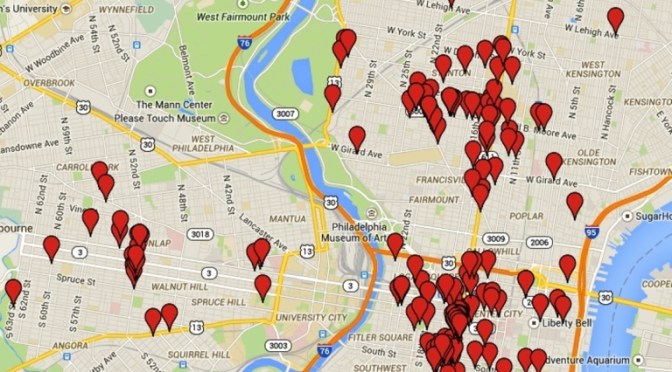
All That Philly Jazz was launched in March 2015. A place-based public history project, we have mapped Philadelphia’s lost jazz shrines from A to Z, from the Aqua Lounge to Zanzibar Blue.

All That Philly Jazz Wordle

I was recently interviewed on National Public Radio’s newsmagazine, “Here & Now.” The interview touched on the legacy of McCoy Tyner, Philadelphia’s jazz ecosystem that nurtured young musicians and exposed them to jazz musicians (here and here), and the campaign to save the John Coltrane House, a National Historic Landmark.

Faye Anderson - NPR's Here & Now - March 9, 2020

The podcast is available here.

John Coltrane House Listed on Pennsylvania At Risk 2020

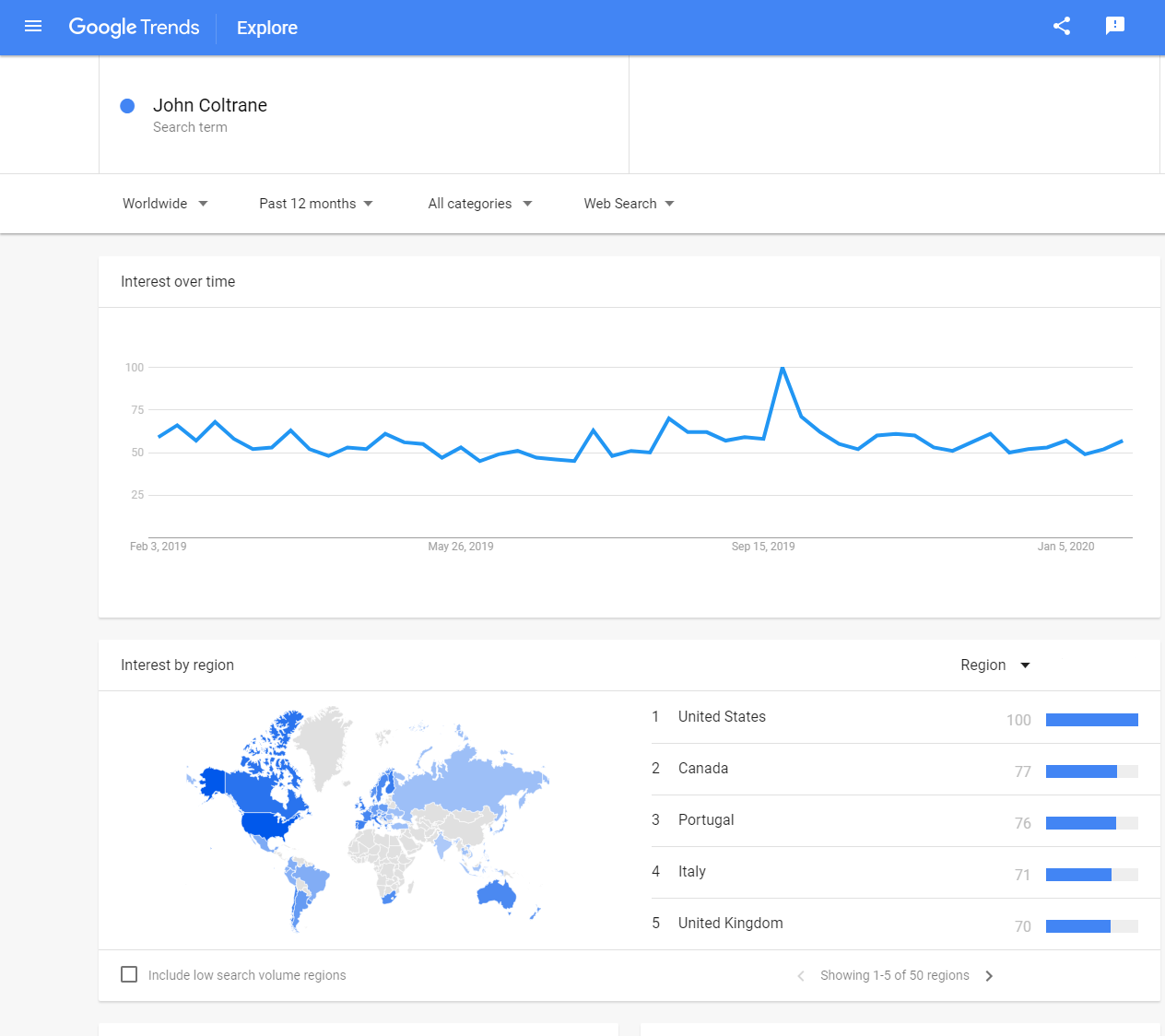
Legendary jazz saxophonist and composer John Coltrane belongs to the world.

John Coltrane - Google Trend - One Year

Philadelphia has a special claim to the worldwide icon because of what happened in a rowhouse in the Strawberry Mansion neighborhood. It was in this house that Coltrane experienced “a spiritual awakening,” kicked his heroin addiction and composed “Giant Steps.”

Coltrane’s home was added to the Philadelphia Register of Historic Places in 1985. While thousands of places are listed on the Philadelphia register, only 67 are National Historic Landmarks, the highest designation for a historic property awarded by the U.S. Secretary of the Interior. The John Coltrane House was designated a National Historic Landmark on January 20, 1999.

What should be a source of civic pride has become a national embarrassment. As early as 2003, the National Park Service made recommendations regarding structural and aesthetic issues with the John Coltrane House. Good intentions notwithstanding, the National Historic Landmark is deteriorating before our eyes. So the choice is stark: Continue to wring our hands or do something. For the love of Coltrane, we chose to do something.

In collaboration with the Preservation Alliance for Greater Philadelphia, Avenging The Ancestors Coalition and Jazz Bridge, All That Philly Jazz Director Faye Anderson prepared the nomination of the John Coltrane House for inclusion on Preservation Pennsylvania’s annual list of endangered properties. On the eve of Black History Month, John Coltrane House Philadelphia was named to 2020 Pennsylvania At Risk.

2020 Preservation At Risk

Preservation Pennsylvania is a private, nonprofit organization “dedicated to the protection of historically and architecturally significant properties.” The John Coltrane House is at risk due to its deteriorating condition and financial capacity of the owner(s):

The future is uncertain for the house. Past efforts to offer maintenance and planning assistance were unsuccessful, although the family member involved in those discussions has since passed away. As a National Historic Landmark, the designation provides the house with no protections from demolition, alterations or neglect. The house is listed on the Philadelphia Register of Historic Places, which does provide protection from demolition and a process for review of proposed alterations. However, at this time, the house is simply in stasis, while the elements, age and time take their toll.

Julia Chain, Associate Director of Preservation Pennsylvania, said:

Preservation Pennsylvania hopes to work with the owners and supporters in the local preservation and jazz communities to find a way forward for this property.

The way forward includes assessing the structural stability of the John Coltrane House. Philadelphia Mayor Jim Kenney has the authority to order the Department of Licenses and Inspections to inspect the property.

Show your love for John Coltrane by contacting Mayor Kenney and sharing your concern that the status quo is unacceptable. Mayor Kenney can be contacted by phone at (215) 686-2181 or email at james.kenney@phila.gov. He can also be contacted on Twitter or Facebook.

John Coltrane House Philadelphia matters.

#ThisPlaceMatters: John Coltrane House

I talk to the ancestors. More important, I listen to them. On a hot Saturday, the ancestors pushed this cold-weather person to check on the John Coltrane House in Philadelphia. So on August 31, 2019, I stopped by the rowhouse where Coltrane lived from 1952 to 1958. I later learned that was the same day that “Cousin Mary,” Mary Lyerly Alexander, joined the ancestors.

Cousin Mary - 2003

“Cousin Mary” is a track on Coltrane’s landmark album Giant Steps. The album was composed in the rowhouse he shared with his mother, Alice Gertrude Coltrane, and his beloved cousin Mary. The exterior of the property is in worse condition than when I was last there three years ago.

John Coltrane House - Steps - Faye Anderson

My call to action was published in Philadelphia Weekly. Read my essay and then add your voice to the growing chorus of voices who are concerned about the condition of this National Historic Landmark, the highest designation for a historic resource. The time for wringing one’s hands is past. Tell Mayor Jim Kenney to fix this blight on Coltrane’s legacy.

Mayor Kenney can be reached via email at james.kenney@phila.gov or by phone at (215) 686-2181. His Twitter handle is @PhillyMayor.

UPDATE: All That Philly Jazz, along with Preservation Alliance for Greater Philadelphia, Avenging The Ancestors Coalition and Philadelphia Jazz Legacy Project, have nominated the John Coltrane House for listing on Preservation Pennsylvania’s 2020 Pennsylvania at Risk.

2020 Pennsylvania At Risk - Preservation Pennsylvania

John Coltrane on ‘Giant Steps’

John Coltrane was born on September 23, 1926. He composed “Giant Steps” while living on North 33rd Street in Strawberry Mansion neighborhood in North Philadelphia.

Historic Preservation and Social Justice

Two years ago I launched All That Philly Jazz, a place-based public history project that is telling the story of Philadelphia’s golden age of jazz. In documenting the places where jazz history unfolded, I am also contextualizing the impact of jazz musicians and the jazz culture on the struggle for social justice.

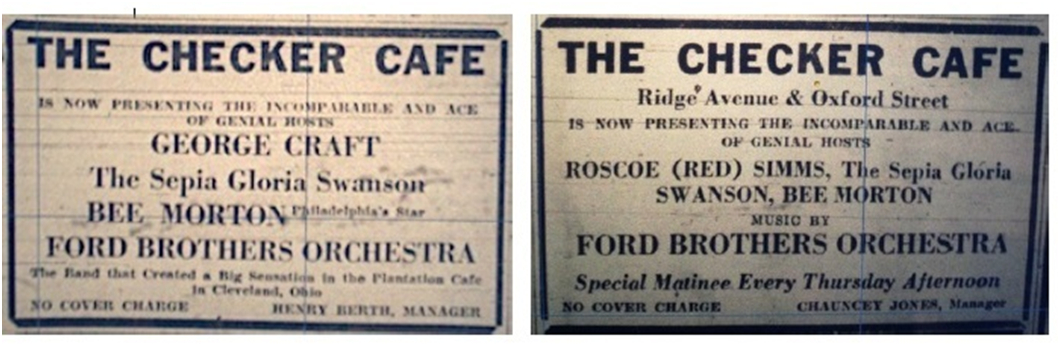
Fact is, the jazz culture was about “intersectionality” before the term was coined . As Philadelphia Inquirer architecture critic Inga Saffron notes in her column, “Ridge Avenue’s last standing jazz club,” gay performers such as the “Sepia Gloria Swanson” were an integral part of the scene.

Checker Cafe Ads

In a piece for PlanPhilly, I wrote about why historic preservation matters:

1409 Lombard Street helps tell the story of artistic greats like Lady Day, Ray Charles, John Coltrane, Miles Davis, Nina Simone and McCoy Tyner. It also tells the story of disruption and defiance. In remarks to the 1964 Berlin Jazz Festival, Dr. Martin Luther King Jr. said jazz is “triumphant music.” If walls could talk, they would tell how the jazz culture broke down social barriers. The first racially integrated nightspot in Center City was a jazz club, the Downbeat. For the first time, blacks and whites mixed on an equal basis. Jazz musicians created a cultural identity that was “a steppingstone” to the Civil Rights Movement.

At its core, historic preservation is about storytelling. The question then becomes: Who decides what gets saved and whose story gets told? The built environment reflects racial inequalities. Given African Americans’ socioeconomic status, few of the buildings associated with black history meet preservation standards regarding architectural significance. Although unadorned, they are places that tell a more complete American story. The stories of faith, resistance, and triumph are relevant to today’s social justice activists.

Read More