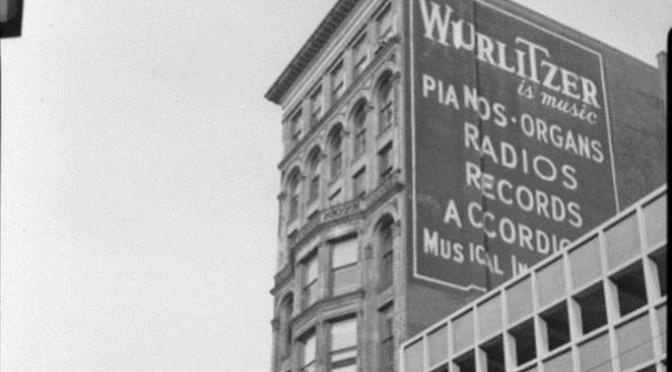
E.U. Wurlitzer was a musical instrument store located in the Watkins Building in Center City.
During an appearance on “The Dick Cavett Show” in 1973, Philly native Bill Cosby recounts buying a drum set and taking lessons at Wurlitzer’s. The erstwhile drummer provides a snapshot of the jazz scene back in the day.
John Coltrane was born on September 23, 1926. He composed “Giant Steps” while living on North 33rd Street in Strawberry Mansion neighborhood in North Philadelphia.
The Queen of Soul will be laid to rest this week. During her final performance in Philadelphia, Aretha Franklin told the audience:
I started, really in Philadelphia. I worked at Pep’s on Broad Street and I worked at the Cadillac Club. I’ve worked all over Philadelphia.
Indeed, she did. Ms. Franklin worked her magic at the Uptown Theater, where on Friday, August 31, the Uptown Entertainment and Development Corporation will host a tribute to the life and music of the Queen of Soul. The event will take place in front of the historic theater.
The program will begin at 6pm with musical tributes to Ms. Franklin, followed by a candlelight ceremony at 7pm. For more info, contact Linda Richardson at (215) 236-1878.
The International Day for the Remembrance of the Slave Trade and its Abolition was first observed in 1998 in Haiti. UNESCO designated August 23 because it marks the beginning of the 1791 slave rebellion in Santo Domingo (today Haiti and the Dominican Republic) led by Toussaint L’Ouverture. Slavery was abolished in Haiti in 1783.
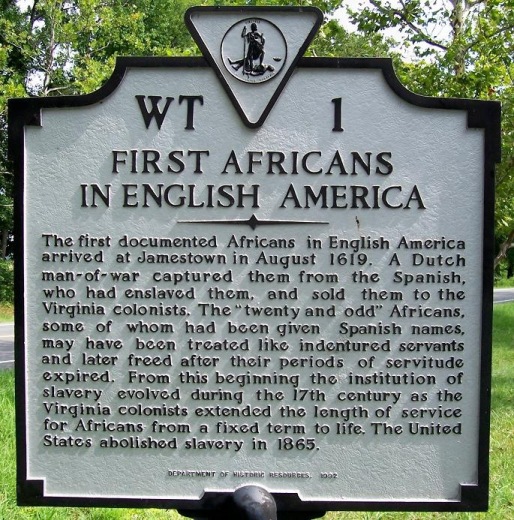
Enslaved Africans resisted their captors from the moment they were brought over on a ship.
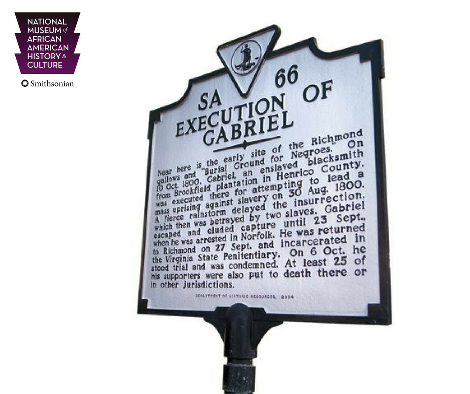
Enslaved African Americans such as Denmark Vesey, Charles Deslondes and Gabriel Prosser led rebellions.
On August 21, 1831, Nat Turner led a rebellion in Southampton County, Virginia. Over a two-day period, Turner and his army freed every enslaved African American they encountered and killed 55 whites.
Attorney and Philadelphia Tribune columnist Michael Coard, founder of Avenging The Ancestors Coalition (ATAC), writes:
Nat and his guerrilla army — a group that had grown to approximately 70, including about 40 enslaved and 30 free (with nearly 300 suspected of providing direct or indirect assistance) — ultimately killed 55 whites but spared many others. Despite Nat’s death, he was ultimately victorious in freeing you and me.
In the spirit of Nat Turner’s resistance, ATAC will hold its annual birth of slavery commiseration event on Monday, August 20, 12:00pm, at 6th and Market streets. Fittingly as we begin the countdown to 400 years of African American history, the event will be held near the The President’s House.
Forbes reports the “lost album” earned John Coltrane his first Billboard Top 40 entry:
Jazz fans got a monumental treat last week in the form of John Coltrane’s posthumously released Both Directions at Once: The Lost Album, which the virtuosic saxophonist recorded with his Classic Quartet in 1963. Those fans responded by giving Coltrane his first Top 40 album on the Billboard 200, 51 years after his death.
You can hear all seven tracks on the single-disc version here.
Since 1982, the National Endowment for the Arts has awarded Jazz Masters Fellowships, the nation’s highest honor in jazz, to individuals who have made significant contributions to America’s classical music. Last week, the 2019 Jazz Masters were announced.
The 2019 NEA Jazz Masters are:
Bob Dorough, vocalist, composer, arranger and pianist
Abdullah Ibrahim, pianist and composer
Maria Schneider, composer, arranger, and bandleader
Stanley Crouch, jazz historian, author, critic, and co-founder of Jazz at Lincoln Center
NEA Acting Chairman Mary Anne Carter said:
The National Endowment for the Arts is proud to celebrate jazz, an art form born in the United States that has since been embraced worldwide. These four new NEA Jazz Masters have been key players in jazz throughout their lives and careers, ensuring that the music will continue to grow and reach new audiences.
The honorees will be celebrated at a free tribute concert on April 15, 2019 at the John F. Kennedy Center for the Performing Arts in DC. For more info, go here.
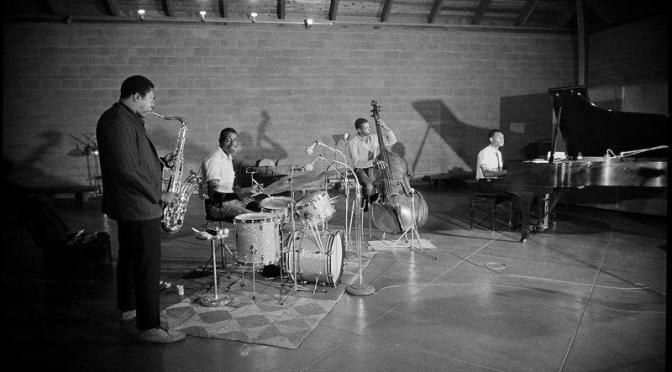
In jazz’s heyday, there were clubs named the Blue Note across the country. Philadelphia had three such clubs, the most famous of which was located at 1502 Ridge Avenue where the Miles Davis Quintet, featuring John Coltrane (tenor saxophone), Red Garland (piano), Paul Chambers (bass) and Philly Joe Jones (drums), performed on December 8, 1956.
But there’s only one Blue Note record label that was home to such greats as Miles Davis, John Coltrane, Lee Morgan, Herbie Hancock, Thelonious Monk, Art Blakey, Horace Silver, Dexter Gordon and Sonny Rollins.
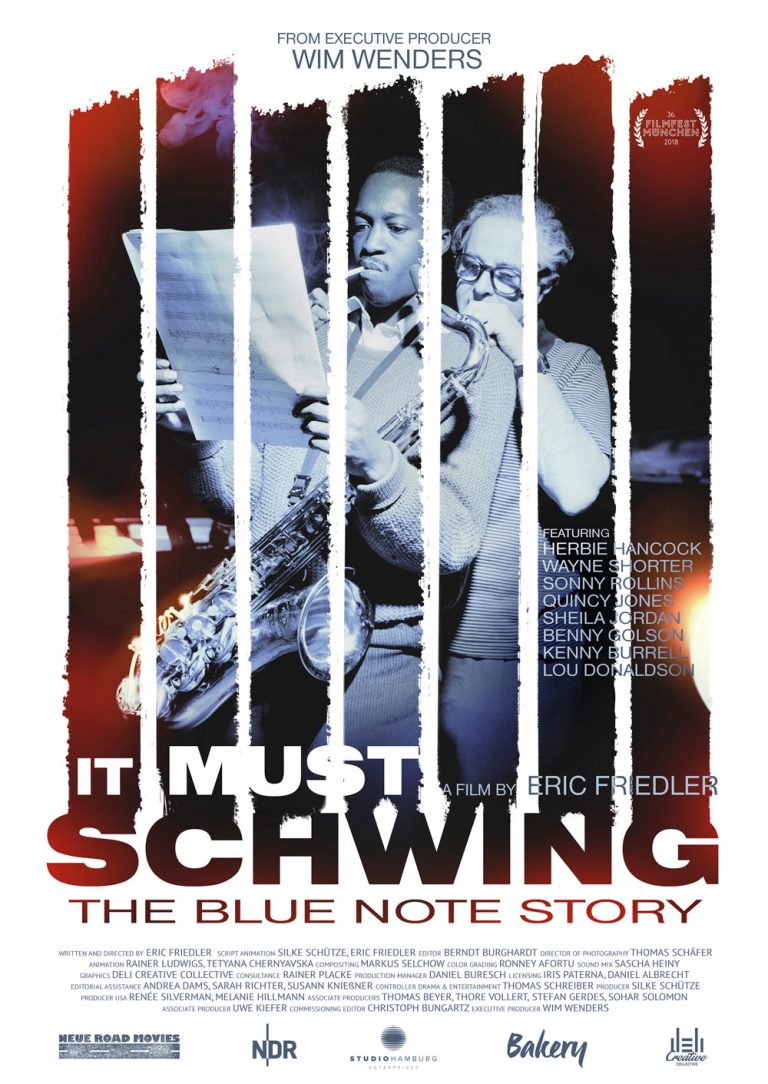
A new documentary, “It Must Schwing! The Blue Note Story,” retells the journey of Alfred Lion and Francis Wolff, two German Jewish immigrants who fled Nazi Germany and founded Blue Note Records in 1939.
Fittingly, the film premiered at the Munich Film Festival on July 2.
Black Music Month was first observed on June 7, 1979 at the White House.
As B.B. King observed, African Americans first got the blues when “they brought [us] over on a ship.”
Enslaved Africans used the message in the music to plan their escape.
Music helped runaways navigate the pathway to freedom.
On their quest for freedom, some of our enslaved ancestors found sanctuary in Abolition Hall and the surrounding fields. A developer’s plan to develop the fields struck a discordant note with Sydelle Zove, convener of Friends of Abolition Hall, and Avenging The Ancestors Coalition. ATAC Founder Michael Coard recently wrote:
Abolition Hall was built in 1856 by George Corson, a Quaker abolitionist. It, its adjacent family home, and purportedly its adjacent fields were where Black men, women, and children took shelter in courageous attempts to flee slavery. Zove says the developer proposes to “subdivide and reconfigure” this historic homestead to construct 67 townhouses on the open fields directly next to the hall. Once divided, notes Zove, the developer plans to sell the hall, the stone barn, and the Thomas Hovenden House – all listed on the aforementioned National Register. She continues by pointing out that it’s not just the hall that’s in jeopardy but also the “fields where cornstalks hid fugitives”—fields she describes as an “integral part of the site.”
The developer’s proposal would box in the national historic landmark. So Friends of Abolition Hall and ATAC are asking concerned citizens to raise their voices and tell Whitemarsh Township: Abolition Hall deserves better. The Board of Supervisors will meet on Thursday, June 14, 2018, at 7pm, 616 Germantown Avenue in Lafayette Hill. If you need a ride, holler.












 All That Philly Jazz