Category Archives: Cultural Heritage Preservation

Jazz Is Black Music

Jazz Congress 2019, organized by Jazz at Lincoln Center and JazzTimes, was held last week. I was not able to attend in person so I watched the webcast of the panel discussion “Jazz, Swing, Race and Culture” with Myra Melford, Christian McBride, Wynton Marsalis, Terri Lyne Carrington and Nicholas Payton. Andre Guess was the moderator.

#jazzcongress

I listened with disbelief as Wynton Marsalis challenged Nicholas Payton’s comment about the racial origins of jazz:

The music doesn’t have a racial identity because race is a fake construct that was used in our country to enforce a class consciousness and to make people accept an inferiority.

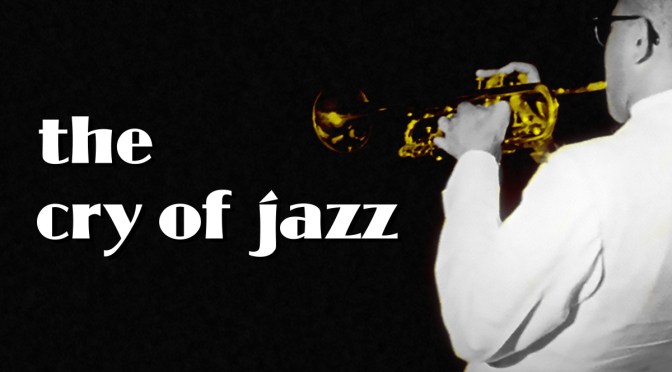
The panel discussion was not the first time the racial roots of jazz were questioned. A 1959 documentary, The Cry of Jazz, sparked controversy when one of the characters asserted that “jazz is merely the Negro’s cry of joy and suffering.” The character, Alex, explained that “the Negro was the only one with the necessary musical and human history to create jazz.”

In 2010, the documentary was added to the National Film Registry of the Library of Congress. The films selected are considered “culturally, historically or aesthetically significant, to be preserved for all time. These films are not selected as the ‘best’ American films of all time, but rather as works of enduring significance to American culture.”

It is said that a picture is worth a thousand words. Well, jazz pianist, arranger and composer Mary Lou Williams’ “History of Jazz” says it all.

mary lou williams - tree of jazz

Jazz is black music, point, blank, period.
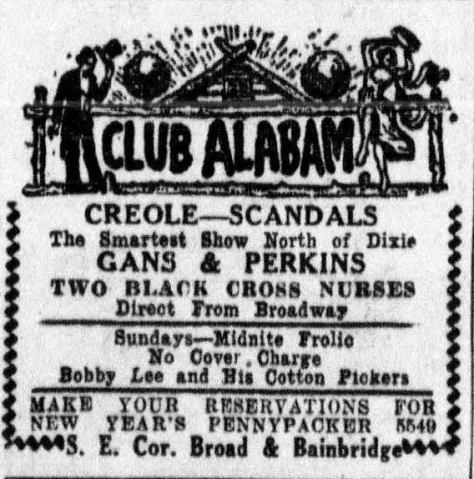
Club Alabam

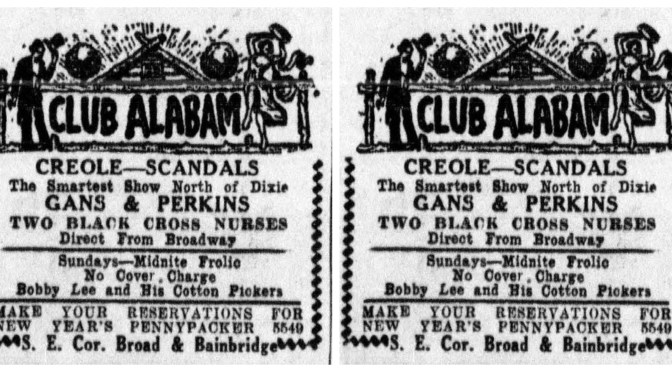
Located on the southeast corner of Broad and Bainbridge, Club Alabam opened in 1925 during the Jazz Age.

Club Alabam

Like the famed Harlem nightspots after which it was fashioned, Club Alabam was racially segregated. Black performers played for white audiences; Black patrons were barred.

The club was in business during Prohibition. Also like the Harlem gangsters who owned nightclubs, the owners had repeated brushes with Philadelphia police for liquor law violations.

Club Alabam closed in 1928.

Veterans Day 2018

In 1919, President Woodrow Wilson proclaimed November 11 as Armistice Day:

To us in America, the reflections of Armistice Day will be filled with solemn pride in the heroism of those who died in the country’s service and with gratitude for the victory, both because of the thing from which it has freed us and because of the opportunity it has given America to show her sympathy with peace and justice in the councils of the nations.

November 11 commemorates the armistice agreement Allied powers signed with Germany bringing hostilities to an end on the “eleventh hour of the eleventh day of the eleventh month” of 1918.

In June 1954, Congress passed legislation changing the name from Armistice Day to Veterans Day, a day to honor veterans of all wars. On October 8, 1954, President Dwight D. Eisenhower issued the first Veterans Day Proclamation.

Just six years earlier, President Harry S. Truman signed Executive Order No. 9981 establishing the President’s Committee on Equality of Treatment and Opportunity in the Armed Services. The EO signaled the government’s commitment to integrate the military.

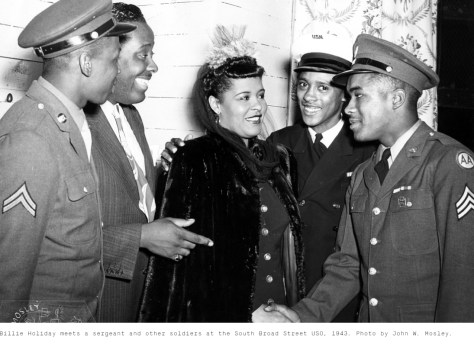
United Service Organizations (USO) policy expressly banned racial discrimination. However, there were separate facilities for African American servicemen in the Jim Crow South and segregated North. In Philadelphia, USO sites for African Americans included Parker Hall and South Broad Street USO. Billie Holiday entertained the soldiers at both locations.

Billie Holiday - South Broad Street USO

Parker Hall was on the top floor of the Parker Building.

Parker Hall - Germantown CDC

The Parker Building is now home to the ACES Museum whose mission is to preserve the history of World War II veterans and restore Parker Hall as a functioning USO for black veterans and their families. The ACES Museum is headquarters of the Philadelphia Chapter of the National Association of Black Veterans.

For more information, visit www.acesmuseum.online.

Philadelphia Jazz Summit 2018

The inaugural Philadelphia Jazz Summit will be held November 2-3, 2018. Spearheaded by jazz bassist Gerald Veasley, the event will bring together musicians, jazz enthusiasts, advocates, funders, and the arts and culture community.

Veasley, president of Jazz Philadelphia, said in a statement:

The time has come for Philadelphia to be recognized as the world-class jazz destination it is. Philadelphia has been fertile soil for jazz for over 100 years. The city has served as a launching pad for the careers of legends such as John Coltrane, Dizzy Gillespie, Billie Holiday, Lee Morgan, Melody Gardot, Christian McBride, Grover Washington, Jr., Sun Ra and many more.

Veasley added:

Jazz Philadelphia is here to provide more opportunities for the next generation of musicians to play here, stay here, and share their talent with the world. I’ve had a wonderful career as a Philadelphia-based musician, and I want to ensure that others can do the same.

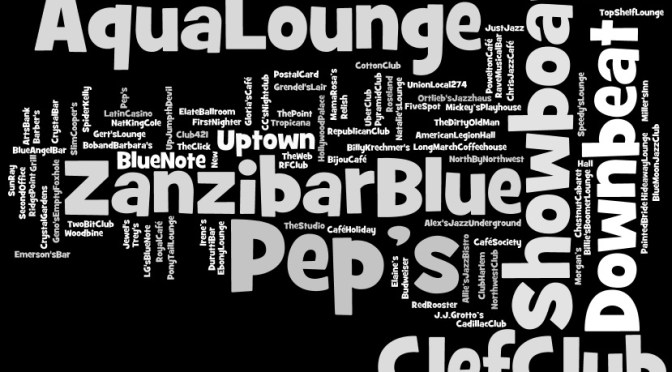
The schedule includes speakers, workshops, and panel discussions that cover a wide range of topics, including applying for grants and residencies, educating artists and audiences, and playing in unconventional spaces. I’m on the panel, “The Philadelphia Story.” I’ll talk about ongoing project to document Philly’s jazz spots from A to Z, from the Aqua Lounge to Zanzibar Blue.

All That Philly Jazz - Aqua Lounge to Zanzibar Blue2

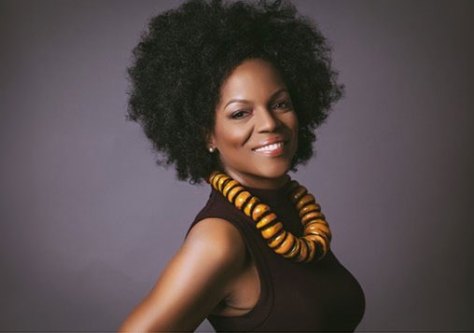
Nnenna Freelon, a jazz singer, composer, producer, arranger and six-time Grammy® nominee, is the keynote speaker. Freelon was selected in recognition of her cultural activism and commitment to social justice.

Nnenna Freelon

The Philadelphia Jazz Summit is free but you must register.

Share Your Story

All That Philly Jazz is a place-based public history project. We are documenting and mapping jazz spots from A to Z, from the Aqua Lounge to Zanzibar Blue.

All That Philly Jazz Map

Sadly, Philadelphia’s jazz history is largely untold; it resides in the memories of those who were there. You can help preserve this rich cultural heritage for current and future generations. Please share stories about the jazz scene back in the day via email at phillyjazzapp[@]gmail.com.

You can upload photos and video to Twitter or Facebook.

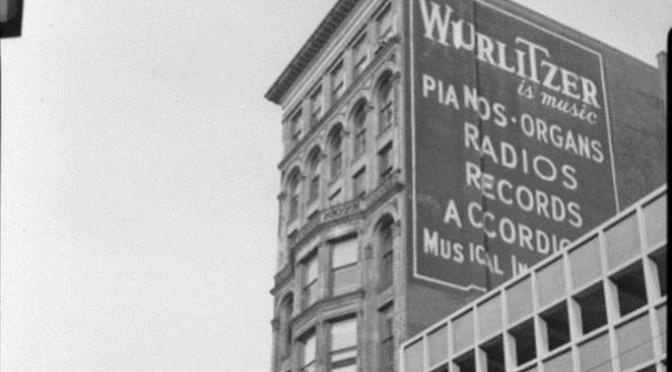
E.U. Wurlitzer Music Store

E.U. Wurlitzer was a musical instrument store located in the Watkins Building in Center City.

Wurlitzer_s Music Store4

During an appearance on “The Dick Cavett Show” in 1973, Philly native Bill Cosby recounts buying a drum set and taking lessons at Wurlitzer’s. The erstwhile drummer provides a snapshot of the jazz scene back in the day.

John Coltrane on ‘Giant Steps’

John Coltrane was born on September 23, 1926. He composed “Giant Steps” while living on North 33rd Street in Strawberry Mansion neighborhood in North Philadelphia.

Tribute to the Life and Music of Aretha Franklin

The Queen of Soul will be laid to rest this week. During her final performance in Philadelphia, Aretha Franklin told the audience:

I started, really in Philadelphia. I worked at Pep’s on Broad Street and I worked at the Cadillac Club. I’ve worked all over Philadelphia.

Indeed, she did. Ms. Franklin worked her magic at the Uptown Theater, where on Friday, August 31, the Uptown Entertainment and Development Corporation will host a tribute to the life and music of the Queen of Soul. The event will take place in front of the historic theater.

Uptown Theater Tribute to Aretha Franklin2

The program will begin at 6pm with musical tributes to Ms. Franklin, followed by a candlelight ceremony at 7pm. For more info, contact Linda Richardson at (215) 236-1878.

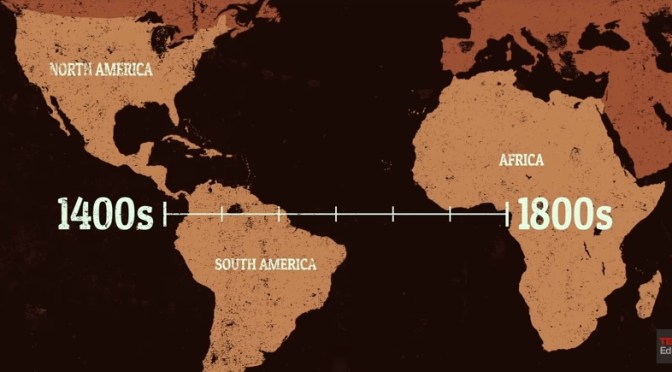
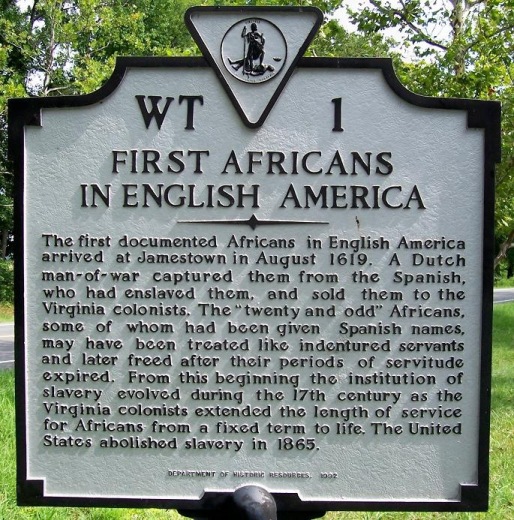
Countdown to 400 Years of African American History

The International Day for the Remembrance of the Slave Trade and its Abolition was first observed in 1998 in Haiti. UNESCO designated August 23 because it marks the beginning of the 1791 slave rebellion in Santo Domingo (today Haiti and the Dominican Republic) led by Toussaint L’Ouverture. Slavery was abolished in Haiti in 1783.

Enslaved Africans resisted their captors from the moment they were brought over on a ship.

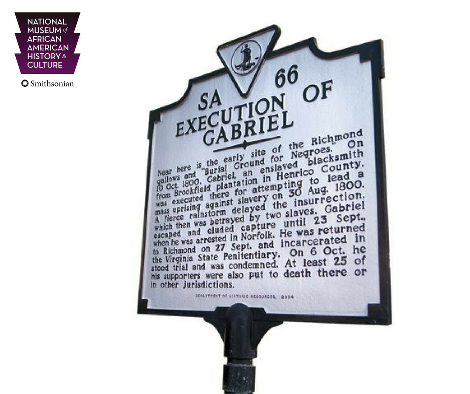
Enslaved African Americans such as Denmark Vesey, Charles Deslondes and Gabriel Prosser led rebellions.

Gabriel Prosser Historical Marker

On August 21, 1831, Nat Turner led a rebellion in Southampton County, Virginia. Over a two-day period, Turner and his army freed every enslaved African American they encountered and killed 55 whites.

Nat Turner's Rebellion

Attorney and Philadelphia Tribune columnist Michael Coard, founder of Avenging The Ancestors Coalition (ATAC), writes:

Nat and his guerrilla army — a group that had grown to approximately 70, including about 40 enslaved and 30 free (with nearly 300 suspected of providing direct or indirect assistance) — ultimately killed 55 whites but spared many others. Despite Nat’s death, he was ultimately victorious in freeing you and me.

In the spirit of Nat Turner’s resistance, ATAC will hold its annual birth of slavery commiseration event on Monday, August 20, 12:00pm, at 6th and Market streets. Fittingly as we begin the countdown to 400 years of African American history, the event will be held near the The President’s House.

#400YearsOfAfricanAmericanHistory - August 20, 1619

83rd Annual DownBeat Readers Poll

Voting is underway for the annual DownBeat Readers Poll.

DownBeat

The categories include:

  • Hall of Fame
  • Jazz Artist
  • Jazz Group
  • Big Band
  • Jazz Album
  • Historical Album
  • Trumpet
  • Trombone
  • Soprano Saxophone
  • Alto Saxophone
  • Tenor Saxophone
  • Baritone Saxophone
  • Piano
  • Keyboard
  • Organ
  • Guitar
  • Bass
  • Electric Bass
  • Drums
  • Percussion
  • Female Vocalist
  • Male Vocalist
  • Blues Artist or Group
  • Blues Album

Click here to vote.