Tag Archives: #BlackCultureMatters

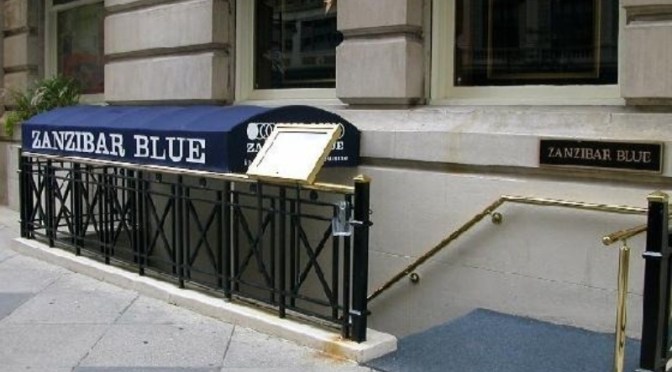
Zanzibar Blue

Owned by brothers, Robert and Benjamin Bynum, Zanzibar Blue first opened in 1990 on 11th Street in Washington Square West. In 1996, the club moved to the Bellevue on the Avenue of the Arts, where it played host to jazz and blues greats, including Nancy Wilson, Lou Rawls, Grover Washington, Jr., Jimmy Scott, Shirley Horn, Ahmad Jamal, Steve Tyrell, Chick Corea, Arturo Sandoval and Chuck Mangione.

Zanzibar Blue Collage - Broad Street

Smooth jazz radio station WJJZ broadcast Sunday brunches from Philadelphia’s premier jazz club. Zanzibar Blue closed on April 29, 2007.

Woodbine Club

The Woodbine Club was a private membership club that held regular weekend entertainment. The club was located on North 12th Street between Thompson and Master, less than 500 feet from John Coltrane’s apartment on North 12th Street.

John Coltrane's Apartment - 2.24.15

Regular bars were open from 9pm to 2am. Jazz musicians would hang out at the Woodbine Club from 3am to 7am. Musicians would have jam sessions where they would hone their craft and network to get gigs.

Saxophonist Odean Pope recalled:

I think the first time I heard Trane was around 1954. There was a place on 12th Street called the Woodbine Club. During that period people like Jimmy Oliver, Jimmy Heath, Red Garland, Shuggie Rose, Philly Joe Jones, those were the pioneer musicians during that period. And it was a place, an after hours place where they had entertainment, say from say twelve o’clock until around five in the morning. That was like Friday, Saturday, and Sunday. It was a sort of collaboration place where all of the musicians would come and exchange ideas and jobs. So this particular night it was Hassan Ibn Ali, Donald Bailey – some very fine percussion. They had sort of invited me along to go with them. And Trane, Jimmy Oliver, Jimmy Heath, Wilbur Cameron, Bill Barron, all of the musicians came there after they got off work and that was the most enlightened experience in my whole life, I think, of seeing so many wonderful musicians come together collectively and exchange ideas as well as perform.

Read more

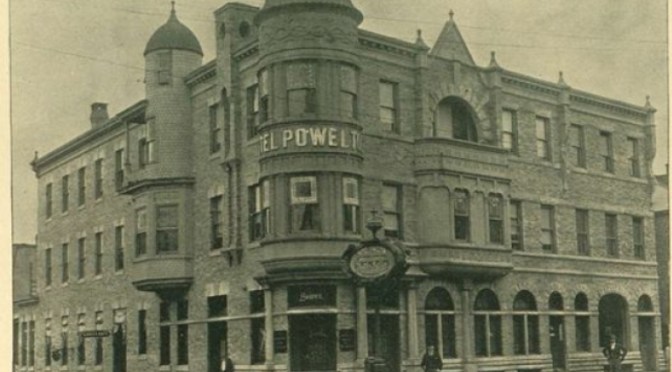
Powelton Cafe & Musical Bar

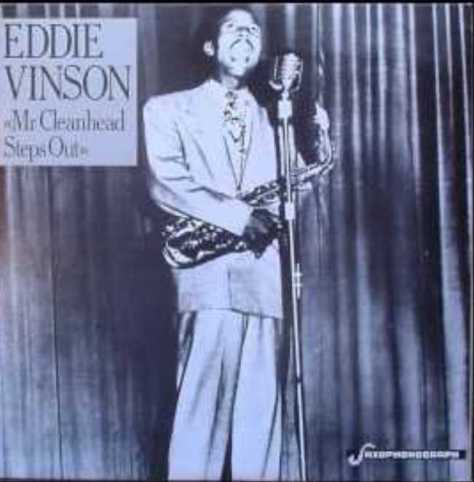
The Powelton Café & Musical Bar was located in the Hotel Powelton in West Philly. Saxophonist and blues singer Eddie “Cleanhead” Vinson performed here on June 20, 1953.

Powelton Cafe - August 30, 2019

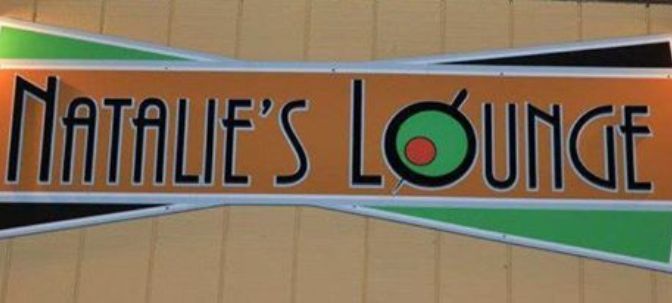
Natalie’s Lounge

Daniel Rubin, a staff writer with the Philadelphia Inquirer, wrote:

Natalie’s has been going for more than 60 years, since it was just another light in a constellation that included the Powelton Bar & Club, the Click, the 421 Club, Treys, the Downbeat, Peps, and so on.

John Coltrane played here. So did Hank Mobley, Tony Williams, Johnny Coles, Shirley Scott, Philly Joe Jones, Sam Reed, Mickey Roker and Grover Washington Jr.

Music director, drummer Lex Humphries, lived across the street from Natalie’s. The job now belongs to Lucky Thompson, who has run the weekly jam sessions for seven years.

Read more

From Bebop to Hip-hop

Hip-hop artists are influenced by that which came before. Like beboppers, they have created their own language and culture. Beboppers improvised. Hip-hop artists freestyle.

In an interview with West Philadelphia Music, a project of the University of Pennsylvania School of Arts and Science, jazz drummer Lucky Thompson said:

Uhh, yeah! Yeah, because it’s all improvisation. Like what they do, they call a rap, a rap is nothing new. Rappers, well, they was doing that back in the forties. That’s not, you know, that’s not new, that’s not new. That used to be a hip talk back then. You know, skeealeebop skeetaleebop babop la-deh-da, you know, that’s old. That’s not—that’s new to them, you know, but it’s not nothing new. It’s been out—it’s been here for a while, and they just called it scatting or talking jive—they would call it talking jive. So that’s, you know, and then cuz like, you can use it—they like now, you see, they using a lot of—they go to Europe, they take a lot of the traditional jazz music and put hip hop beats and everything right over the top of it. And they dance to it, you know, I was really—I was really shocked when I heard it when I went to Europe I was like, “Wow, they playing [Col]trane?” And they got them dancing you know, but it had like a hip hop—a hip hop beat, you know. But it was deep, it was deep, I swear it was deep.

Still, for some jazz purists, the only thing bebop and hip-hop have in common is “they rhyme.” While their heads are stuck in rarified air, Ahmir “Questlove” Thompson dropped some knowledge in the liner notes for “Droppin’ Science: Greatest Samples From The Blue Note Lab”:

The one that makes me the proudest, of course, is my hometown champ (and the greatest, funkiest, and most precise DJ ever!), DJ Jazzy Jeff, who lived up to his name in 1986 with a ditty called “A Touch of Jazz,” a compiled cram session of ’70s funk/jazz trivia looped and scratched to perfection. It was the “DJ cut” — remember those? — on his debut album, Rock the House (along with an MC I haven’t heard from in eons? Any locale for a Will Smith? Anyone? . . . lol).

[…]

Enter Idris Muhammad, a crucial general in the Blue Note army that was key to crossing the prestigious jazz label over to the soul side of thangs. That was how I got sucked into Bluebreaks. Same jazz outlook, just a lil’ funkier, to reach the corners of the ghetto that an otherwise (still worthy) Jackie McLean or a Horace Silver couldn’t penetrate. Idris’s drums had equal influence on me just as strong as if he were playing the role of John “Jabo” Starks or Clyde Stubblefield in the James Brown band.

In an interview with the Smithsonian Jazz Oral History project, NEA Jazz Master and Philly native Percy Heath said:

Anyhow, they [hip-hop artists] take little pieces of some things that were written in the bebop era, post-bebop era, and they make little licks out of it and they use it. That’s good that some people, they listen to hip-hop. So, hip-hop is like bebop was back then, revolutionary movement. This business of rapping, I used to do that in the schoolyard when I was twelve years old.

READ MORE

Jazz in Philadelphia!

Directed by Steven Berry, the documentary “Jazz in Philadelphia” came about as a result of conversations Berry had with WRTI Jazz Host Harrison “Yes Indeedy” Ridley, Jr.

A jazz educator and historian, Ridley had a lifelong dedication to what he called “the positive music.” He hosted a Sunday night show on WRTI for more than 30 years. Jazz in Philadelphia? Yes indeedy!

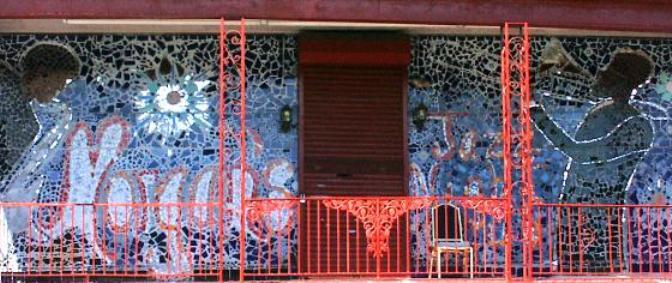
Morgan’s

Organist Charles Earland and saxophonist Hank Crawford played here.

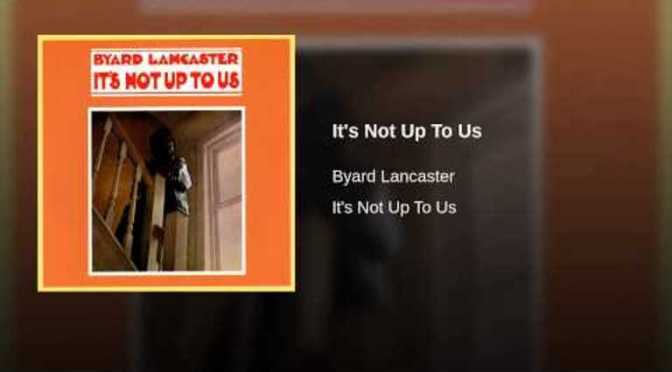
Mama Rosa’s

Located in the space now occupied by the LaRose Jazz Club, Mama Rosa was a popular neighborhood joint in the early 1970s. The weekly jam sessions were organized by multi-instrumentalist Byard Lancaster.