Tag Archives: Race

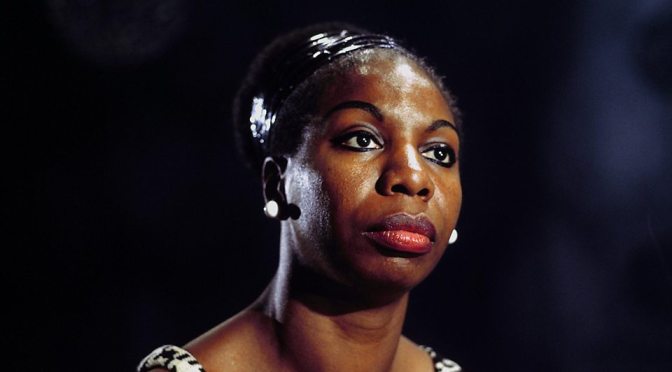
Nina Simone

Of all the major singers of the late 20th century, Nina Simone was one of the hardest to classify. She recorded extensively in the soul, jazz, and pop idioms, often over the course of the same album; she was also comfortable with blues, gospel, and Broadway. It’s perhaps most accurate to label her as a “soul” singer in terms of emotion, rather than form. Simone was an eclectic who brought soulful qualities to whatever material she interpreted. These qualities were among her strongest virtues; paradoxically, they also may have kept her from attaining a truly mass audience. The same could be said of her stage persona; admired for her forthright honesty and individualism, she was also known for feisty feuding with audiences and promoters alike.
READ MORE

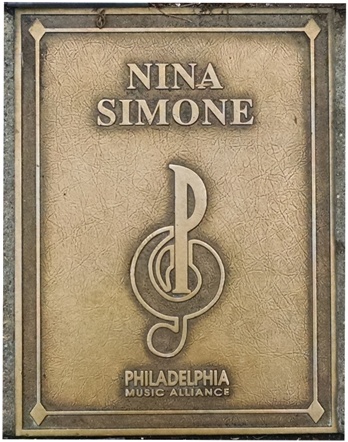
Nina Simone Plaque

Georgie Woods

Georgie Woods has improved, enhanced and inspired the lives of many throughout his multi-faceted career of entertainment and public service.

As “The Guy with the Goods,” Georgie Woods has entertained for five full decades on radio stations WHAT and WDAS. In 1960, Georgie became active in the civil rights movement as Vice President of the NAACP. Georgie became an outspoken advocate of equal opportunity and equal treatment for African Americans and joined the Reverend Doctor Martin Luther King, Jr. and Cecil B. Moore in an ongoing campaign that took Woods from Washington, D.C., to Selma, Alabama. His other humanitarian efforts included a 17-day tour of Vietnam, as the first African American to entertain the troops.

READ MORE

Georgie Woods Plaque

Nina Simone Netflix Documentary

Later this year, Netflix will debut an original documentary about Nina Simone, What Happened, Miss Simone? The film was screened at the Sundance Film Festival.

Rolling Stone reports:

Beginning with footage of the singer staring down an audience at the Montreux Jazz Festival in 1976, What Happened goes about answering its question by flipping back to Simone’s childhood, detailing her early musical ambitions to be the first black female classical pianist. Despite her talent and the financial support of well-to-do patrons, she was rejected by the prestigious Curtis Institute in Philadelphia; that “early jolt of racism,” as Simone referred to the incident, became the first of several events to fuel an inexhaustible supply of anger at society. A summer gig at an Atlantic City bar gave birth to the blues chanteuse she’d eventually become, with the film tracing her rise to hit recording artist, jazz sensation, long-suffering wife (her manager/husband Andrew Stroud does not come off well), a major player in the Civil Rights movement, industry pariah, American ex-pat, playing-for-chump-change café performer and, eventually, a rediscovered legend.

READ MORE

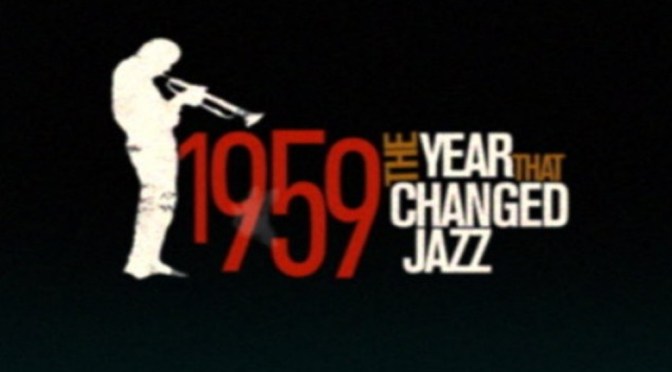
1959: The Year that Changed Jazz

There are some years that were so momentous just their mention evokes milestones. Think 1776 and 1964. Or 1965 and “Bloody Sunday,” a retelling of which, “Selma,” is now playing in theaters.

1959 was the year that changed jazz. That year marked the release of Miles Davis’ “Kind of Blue,” John Coltrane’s “Giant Steps,” Ornette Coleman’s “Shape of Jazz to Come” and Dave Brubeck’s “Time Out.”

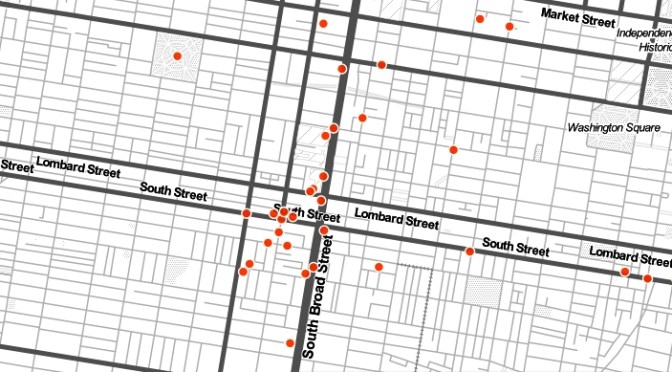
South Street

In the 1920s, jazz became the soundtrack for the revolution in manners and morals that was sweeping the nation. In New York’s Harlem, South Philadelphia, the south side of Chicago, Pittsburgh’s Hill District and other northern cities urban African Americans, known as the New Negroes, were finding expanded opportunities and new identities. One of the first singers to give voice to this new generation was Chester, Pennsylvania’s Ethel Waters, the first recording star of the African-American-owned Black Swan Record Company.

In the African-American-owned Standard Theatre on South Street, Waters, Bessie Smith, Duke Ellington, Louis Armstrong, and other jazz and blues stars performed their music for black and white audiences. The Standard and Dunbar were stops on a circuit of African-American theaters that brought the best of black touring shows to their cities.

READ MORE