
This Japanese restaurant held a lavish Sunday Jazz buffet with Trudy Pitts and Mr. C. Dr. Janice Presser shared they ended each performance with “What a Wonderful World.”

This Japanese restaurant held a lavish Sunday Jazz buffet with Trudy Pitts and Mr. C. Dr. Janice Presser shared they ended each performance with “What a Wonderful World.”
Tritone was a small neighborhood bar on South Street. It closed in 2011. Bobby Zankel played there on the 1st Thursday of every month.
The club debuted in 2001, when current owner Dave Rogers (a veteran of Fergie’s), and his late partner, music promoter and bartender Rick Dombrowolski (who understandably went by “Rick D.”), joined forces. While a bartender at neighboring Bob & Barbara’s, Dombrowolski, who died of a heart attack in 2007, invented what has become known throughout the city as the “Citywide Special,” a can of Pabst and a shot of Jim Beam for $3.
The bar is the last of its kind. While it can be difficult for a new band to get a foot in the door at Philadelphia’s other music venues, Tritone has always had a much more open-stage policy. This resulted in a vast array of live music. From death metal to punk to singer-songwriter to hip-hop, Tritone presented it all, seven nights a week.
The three-story rowhouse in Germantown has been home to the Arkestra since 1969. Sun Ra Arkestra Director Marshall Allen still lives and plays here.
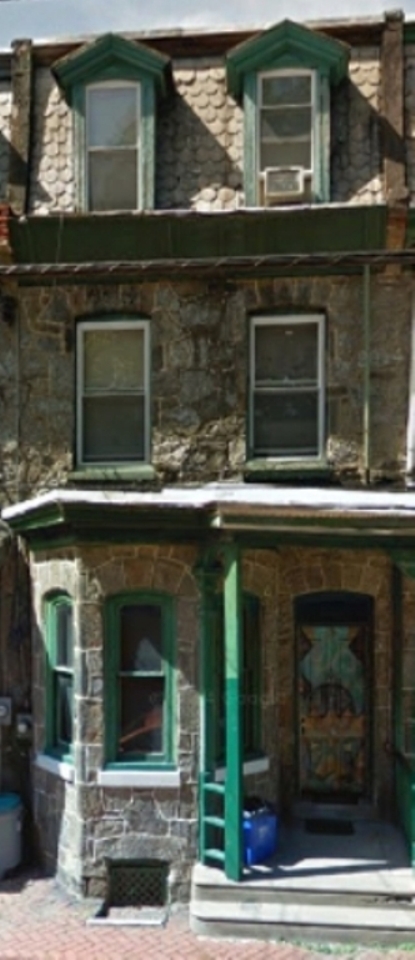
Today the house is a living museum, full of paintings, sheet music and concert posters, dedicated to keeping the spirit of Sun Ra alive.
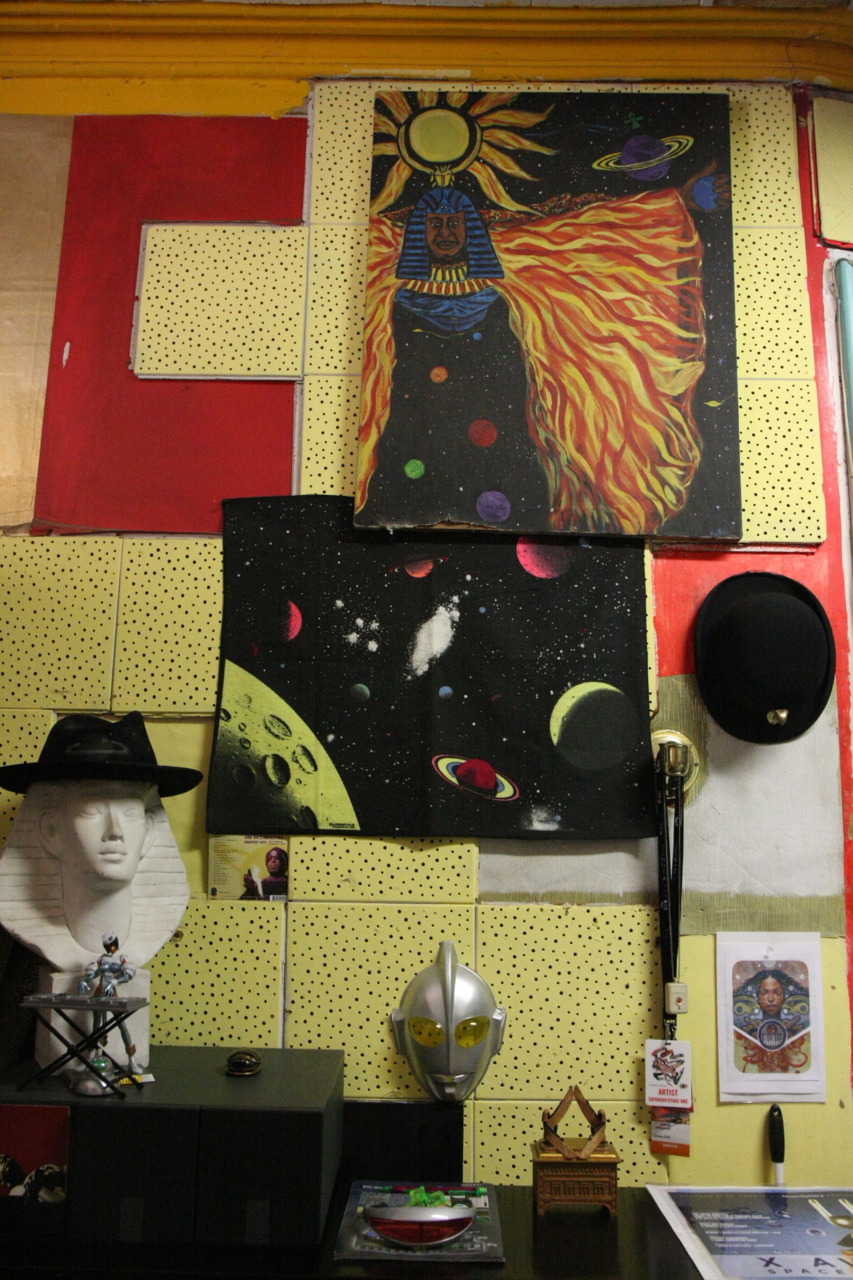
Memories from jazz educator and musician Paul Combs:
One thing about having Sun Ra as a neighbor was the possibility of running into him in everyday situations, like shopping at the supermarket. One day a friend of mine and I did just this. Sun Ra and John Gilmore, the great tenor saxophonist and Ra’s right-hand man, were taking care of the shopping for their household (many of the Arkestra members lived in a big house together with their leader). I have always had the impression that life was one big cosmic game for these folks, one that involved serious dedication and a deep sense of humor.
Both musicians were wearing robes, although less elaborate ones than they would wear on stage. Gilmore had a small, brimless North African cap on, and Ra a small turban. Gilmore pushed the cart, and Ra followed behind directing him to the various things they needed. My friend and I followed them at a respectful distance. Finally they got to the meat counter. This was a small neighborhood supermarket and it was customary to have a butcher on duty behind the counter in those days. As they parked themselves in front of the counter Sun Ra said, “John, tell the butcher that Sun Ra would like five pounds of hamburger,” and, although the butcher could hear Ra at least as well as we could, Gilmore relayed the request. The butcher served up the meat with a straight face, as if he were either in on the play or it was a normal scene to him.
I may be wrong, but I have always had the feeling that once the two of them got home they sat down and had a good laugh. My friend and I sure did, and we wished we had thought of this little piece of theater ourselves.
Faye Anderson, director of All That Philly Jazz, made a presentation at the March convening of Open Access Philly.
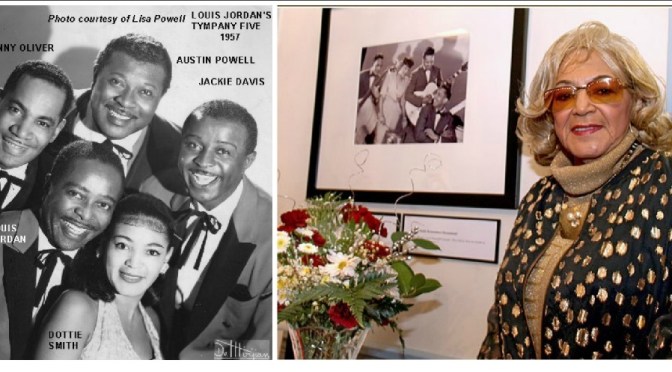
Dottie Smith was a jazz vocalist who recorded and toured with bandleader Louis Jordan. Jordan saw her perform at Spider Kelly’s and offered her a job on the spot.
Jazz Historian and WRTI Jazz Host Bob Perkins wrote:
Dottie Smith opened her own place on Columbia Avenue, called La Gayla, a handle based on her married name, Gayle. She booked local icons Bootsie Barnes, Jimmy Oliver, Philly Joe Jones and host of others.
Bessie Smith moved to Philadelphia circa 1922. After her marriage to Jack Gee on June 7, 1923, she lived on Christian Street in South Philly.

The “Empress of the Blues” died in an auto accident in Mississippi on September 26, 1937. Her funeral was held in Philadelphia on October 4, 1937.

The funeral was moved from Upshur’s Funeral Home to O.V. Catto Elks Lodge to accommodate the 30,000 mourners who filed pass her casket.
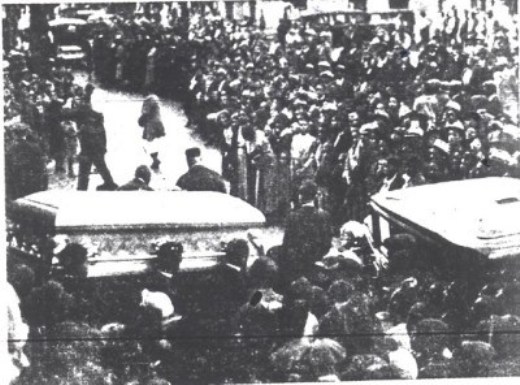
Bessie’s casket was taken on a slow tour of her South Philly neighborhood, briefly stopping at the Standard Theater where she regularly performed.

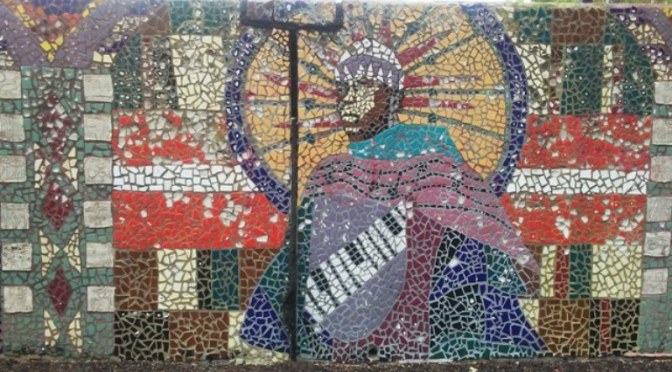
The Women of Jazz mural features many of the most iconic female jazz performers in the world, including Nina Simone, Billie Holiday, Dinah Washington, Betty Carter, Shirley Scott, Dottie Smith, Ella Fitzgerald, Sarah Vaughan and Mary Lou Williams. The tiles below and to the left of the mural were designed by students at several of the city’s public schools.
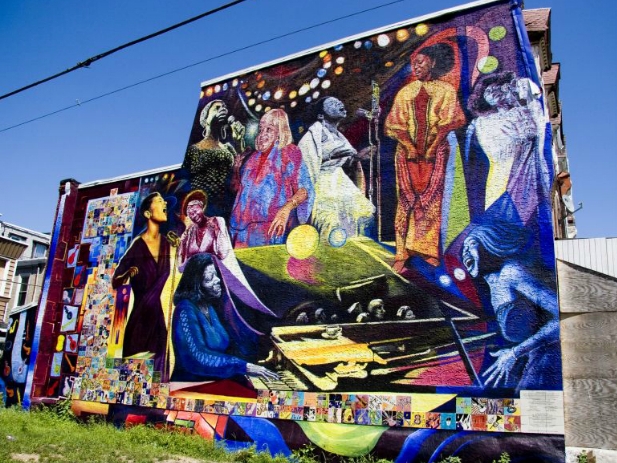
Smith, affectionately called Miss Dot, is the blonde next to Nina Simone. She was a longtime resident of Strawberry Mansion and a former manager of the legendary Gert’s Lounge. Miss Dot died in December 2014.
Women of Jazz is included in the Mural Arts Program’s African American Iconic Images Collection.
UPDATE: In 2016, the Philadelphia Housing Authority demolished the mural.
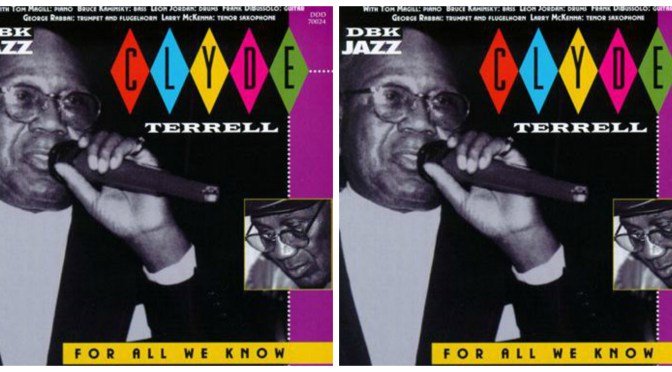
Located in West Oak Lane, L.G.’s Blue Note featured local and national favorites, including legend-in-the-making alto saxophonist Tony Williams, and vocalists Jeannie Brooks, Clyde Terrell and Barbara Walker.
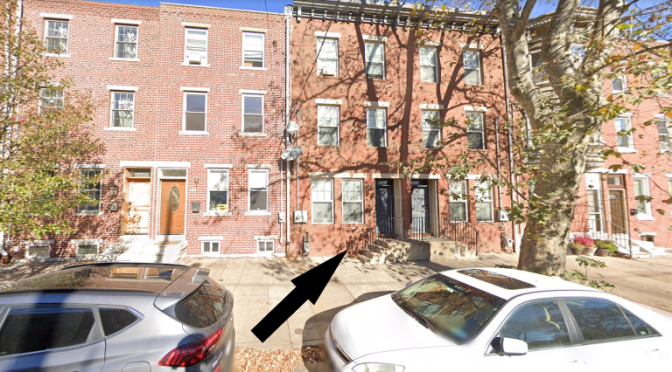
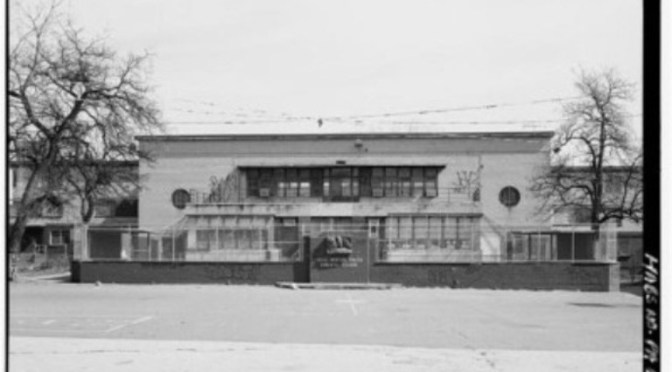
Tenor saxophonist Bootsie Barnes grew up in this public housing project whose residents included Bill Cosby.
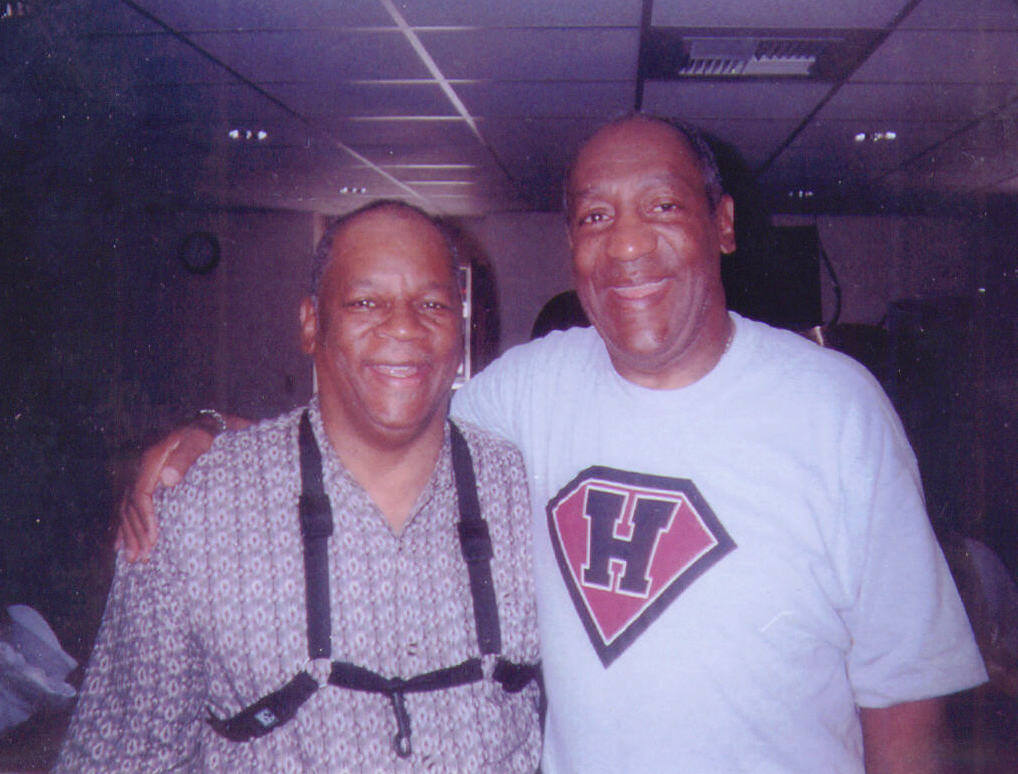
Barnes recalled dancing the bop with others at the community center where jam sessions were held. His “Boppin’ Round the Center” was inspired by his childhood memories.
Memories from jazz educator and musician Paul Combs:
I had a couple of encounters with Sun Ra, who was a neighbor of mine, that I would like to share with you before finishing this memoir. I first met Sun Ra during an interview at WHUY-FM, where I was the music producer/announcer. A colleague of mine, Tom Lopez, was conducting the interview, but I got to sit in on it.
Now it is well documented that Herman Blount was born in Chicago, but when he, as Sun Ra, looked me in the eye and told me he was from Saturn, I could not question it. The man had such a presence; I knew that he knew that I knew it was a fantasy, and yet in his company there was also an undeniable truth to the fantasy.
A couple of years later I had the honor to precede him and the Arkestra in a concert. This was part of a series of concerts that a group of us musicians and artists used to organize on Sundays, in a big park in the middle of the Germantown district, where we all lived. On this particular Sunday the sky was full of menacing clouds. Just as we finished performing, a fine mist began and threatened to become rain. We all worried that Ra and company would have to cancel their performance. The sound crew covered all the equipment and disconnected the power. This was discussed with the Arkestra members who were beginning to assemble at the stage, but they said it would be OK, and proceeded to get ready for their set. Just as their preparations were almost complete a car drove up and Sun Ra stepped out. The rain and mist stopped. They played, sang and danced for the next two hours without interruption from the weather, and it was magnificent. When they finished Ra got back in the car and the mist and light rain resumed. Maybe it was a coincidence, maybe it wasn’t.



 All That Philly Jazz