Category Archives: Historic Preservation

Yorktown Under Siege

General George Washington’s decisive victory over British forces in the Battle of Yorktown, aka Siege of Yorktown, was the turning point in the American Revolution. Yorktown, a North Philly neighborhood whose name is derived from the 1781 battle, is under siege.

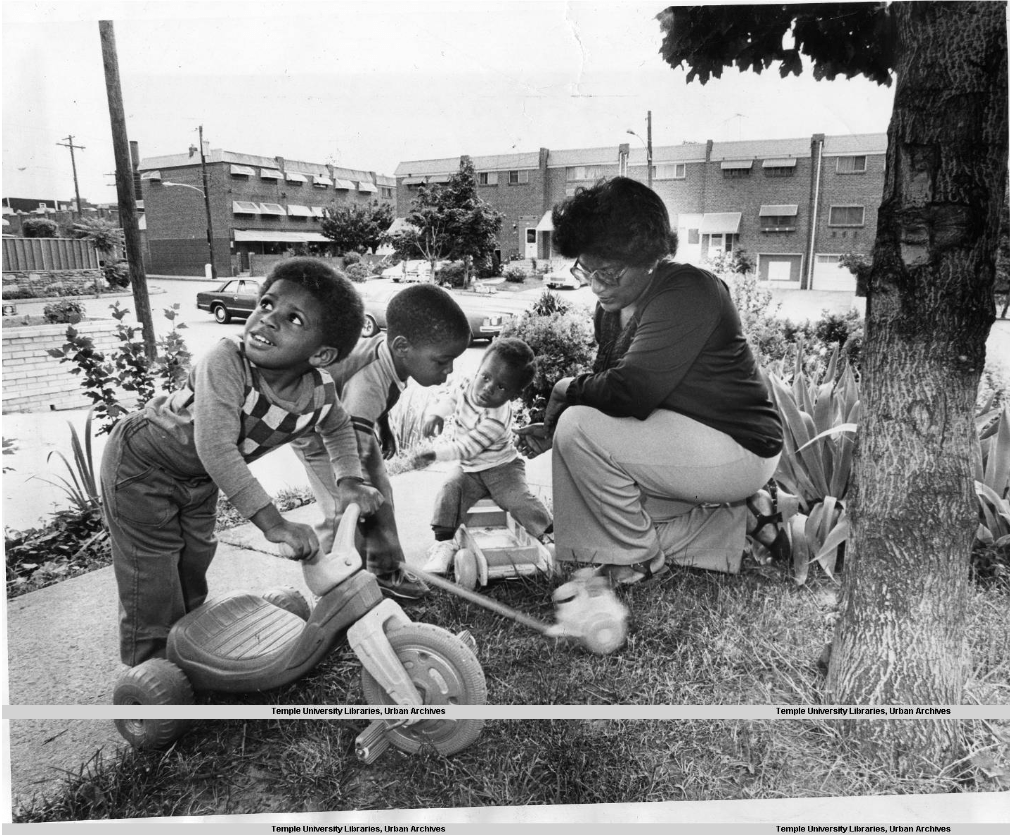
The planned community was built between 1960 and 1969. Banker and developer Norman Denny acquired 153 acres of blighted blocks that were cleared by the Philadelphia Redevelopment Authority. Denny constructed 635 rowhouses that were marketed to first-time African American homebuyers with children. Yorktown provided suburban-style housing for Black families who did not have access to suburban tract houses due to discriminatory lending practices and residential segregation.
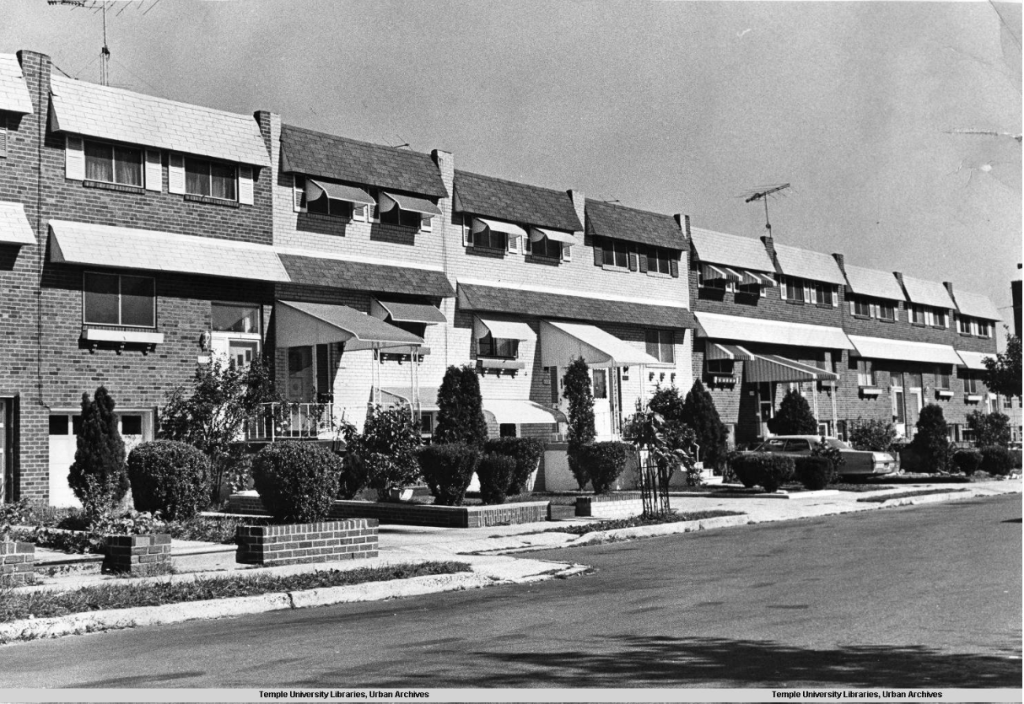
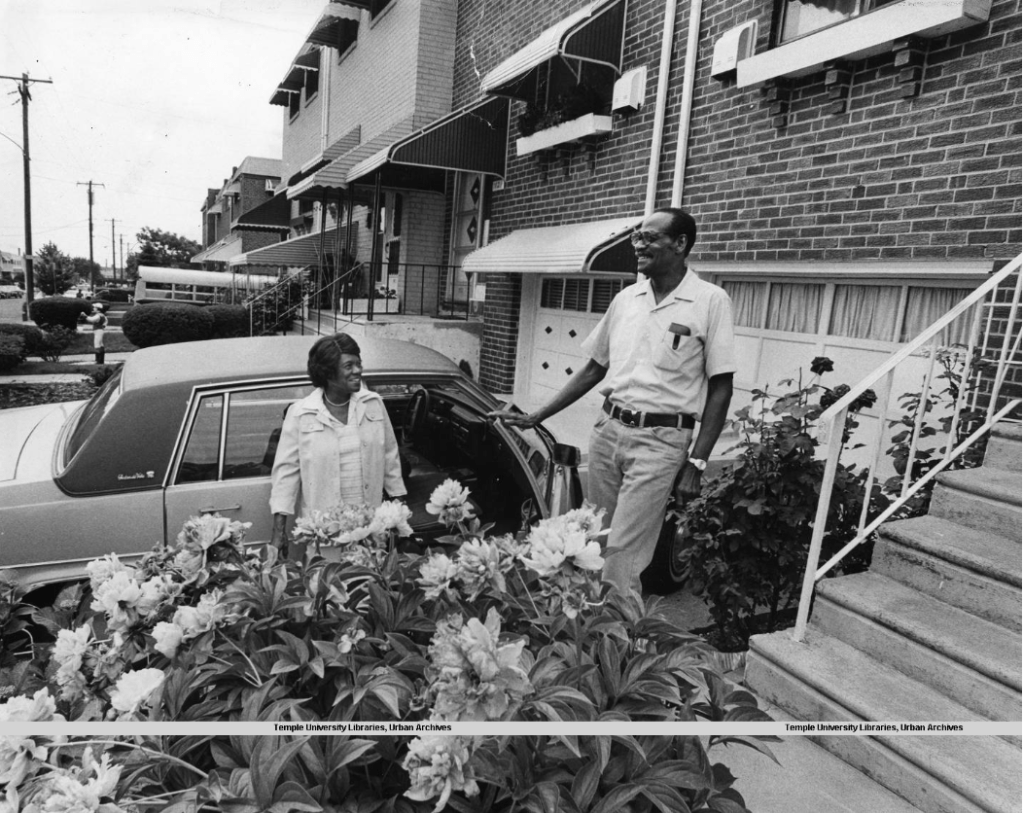
In an interview with Scribe Video Center’s Precious Places Community History Project, Bright Hope Baptist Church pastor and former congressman William H. Gray III said:

The church under the leadership of my father who was then the minister, Dr. William H. Gray Jr., got involved with the urban renewal project and joined forces with a man named Mr. Denny of the Lincoln [National] Bank … who had a radical idea. And the radical idea was that instead of building tenements, instead of building tall public housing, what he wanted to do was to build middle-income housing for homeownership. Everybody said you got to be crazy. This is one of the worst slum areas, inner-city, ghetto areas. African Americans don’t have money to buy houses.

Homebuyers included lawyer and civil rights activist Charles W. Bowser who is pictured raising the Yorktown flag. City Council proclaimed October 9, 2018 Charles W. Bowser Day “in recognition of his lifelong dedication to public service and his significant contributions to the African American community in Philadelphia.”

Grammy Award-winning singer Billy Paul lived on Kings Place.

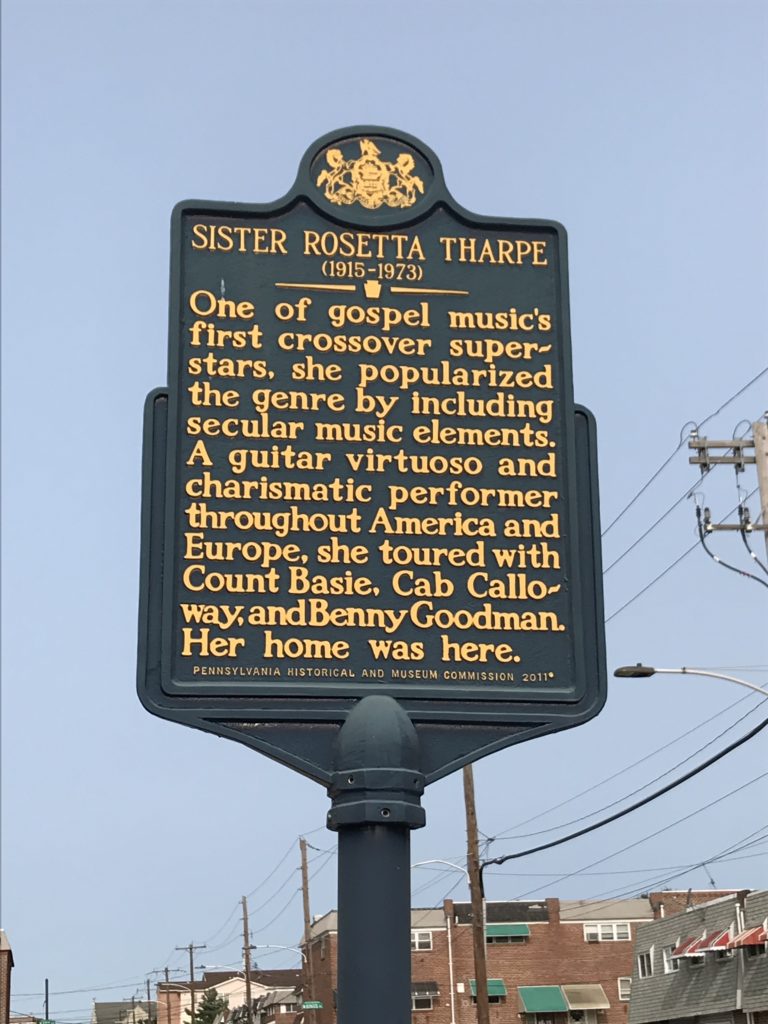
Gospel pioneer and Rock and Roll Hall of Fame inductee Sister Rosetta Tharpe lived on Master Street.

Edmund N. Bacon, then-executive director of the City Planning Commission, planned Yorktown. Landscape elements that Bacon introduced in Society Hill are featured in Yorktown. In a progress report to Mayor James H.J. Tate, Bacon wrote:

Denny has finally put landscaping and play equipment in three of the central squares. These are really remarkable and exciting. I have the feeling that this is a unique project and that nothing of its kind has ever been built. I think it is an achievement worthy of some attention.

The project is indeed worthy of attention. The Yorktown Historic District was added to the National Register of Historic Places in 2012. It is one of urbanist Bacon’s crowning achievements.

For two decades, Yorktown has attracted unwanted attention. The neighborhood is located immediately south of Temple University. In 2004, the Yorktown Community Organization, founded by Charles Bowser, sued 30 homeowners for illegal conversion of single-family homes into boarding/rooming houses for students. City Council subsequently amended the zoning code to create the North Central Philadelphia Overlay District to, i.a., “preserve and protect the area from the conversion of houses into multi-family buildings that have the potential to destabilize the area; and foster the preservation and development of this section of the City in accordance with its special character.”

Fast forward to today, proposed development projects have the potential to destabilize Yorktown with out-of-scale apartment buildings marketed to students and other transients. The neighborhood is low-rise, low-density by design.

In June, City Council passed legislation to amend the zoning code and create the Girard Avenue Overlay District which would establish height controls. Joe Grace, spokesperson for Council President Darrell Clarke, told PlanPhilly, “The Council President wants to control density along the corridor to protect historic neighborhoods like Yorktown and West Poplar that are adjacent to Girard Avenue. Too much density along the corridors impacts quality of life for the adjacent neighborhoods that are full of single-family homes and long-term residents.”

Black homeowners are fighting to preserve the setting and feeling of the Yorktown Historic District. To paraphrase Revolutionary War Commander John Paul Jones, they have just begun to fight.

Gentrifiers and Black History in Philadelphia Update

Philadelphia is the best place to discuss race relations because there is more race prejudice here than in any other city in the United States.
 — W. E. B. Du Bois, 1927

City Council passed a one-year demolition moratorium for six blocks of Christian Street in the most gentrified neighborhood in Philadelphia. The mayor is expected to sign the bill which is sponsored by Councilmember Kenyatta Johnson who is under federal indictment.

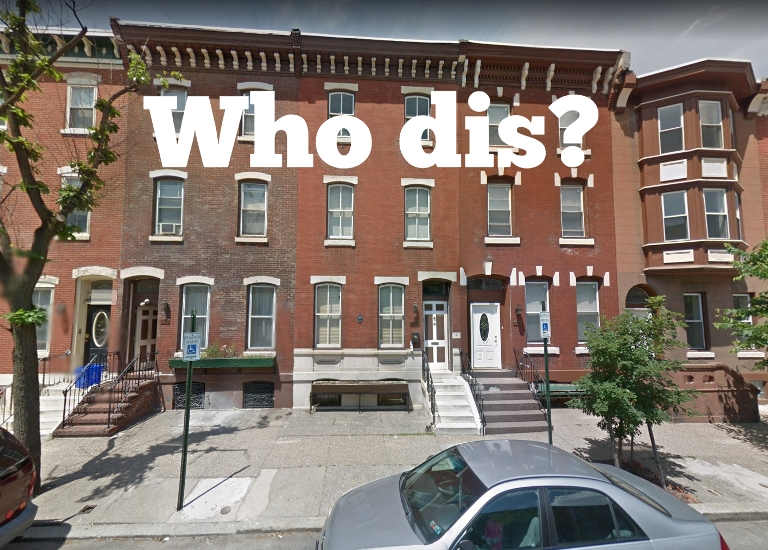
The purpose of the moratorium is to give the Preservation Alliance for Greater Philadelphia time to prepare the nomination for the proposed Christian Street Historic District. Architect Julian Abele and Rev. Charles Tindley are the most notable residents of that stretch of Christian Street. Abele and Tindley lived on the 1500 block but gentrifiers are pushing to designate six blocks. As I told a reporter with PlanPhilly, the proposed historic district trivializes Black history in an effort to preserve the historic fabric of blocks from which African Americans have been displaced:

However, Faye Anderson, a local historic preservationist who has focused on saving vulnerable Black historical sites, said she opposed the effort.

She said the district was an “excuse” to preserve some statelier buildings in a gentrified neighborhood that has become majority-white in recent decades. Anderson said a blanket designation for a thematic district based on the presence of some wealthier African American residents for a period of time in an otherwise segregated neighborhood was “trivializing” to the city’s wider Black history.

Historic preservation is about storytelling. The period of significance of proposed Christian Street Historic District, aka Doctor’s Row, spans the Great Migration, the Great Depression, President Franklin D. Roosevelt’s New Deal and World War II. Doctor’s Row would memorialize a minuscule number of Black professionals who moved on up from racially segregated blocks in the 7th Ward to racially segregated blocks with nicer rowhouses in the 30th Ward.

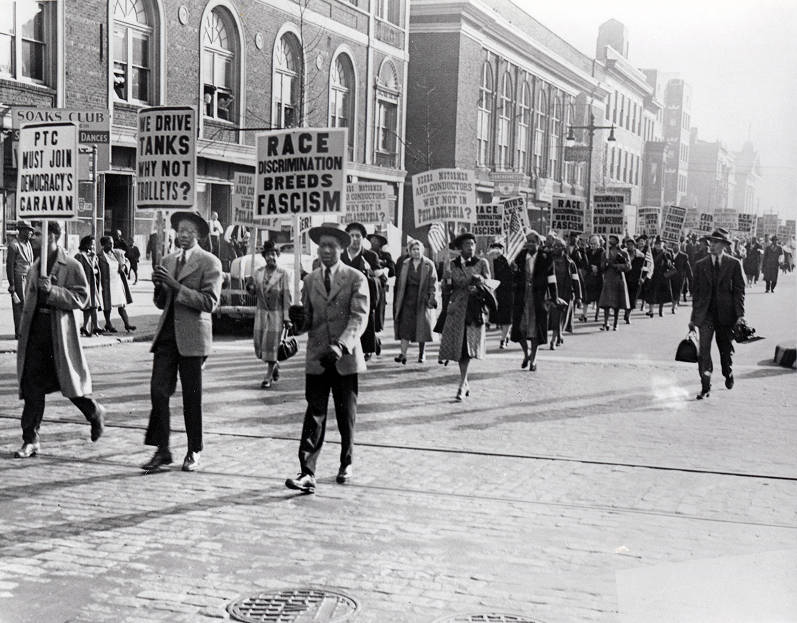
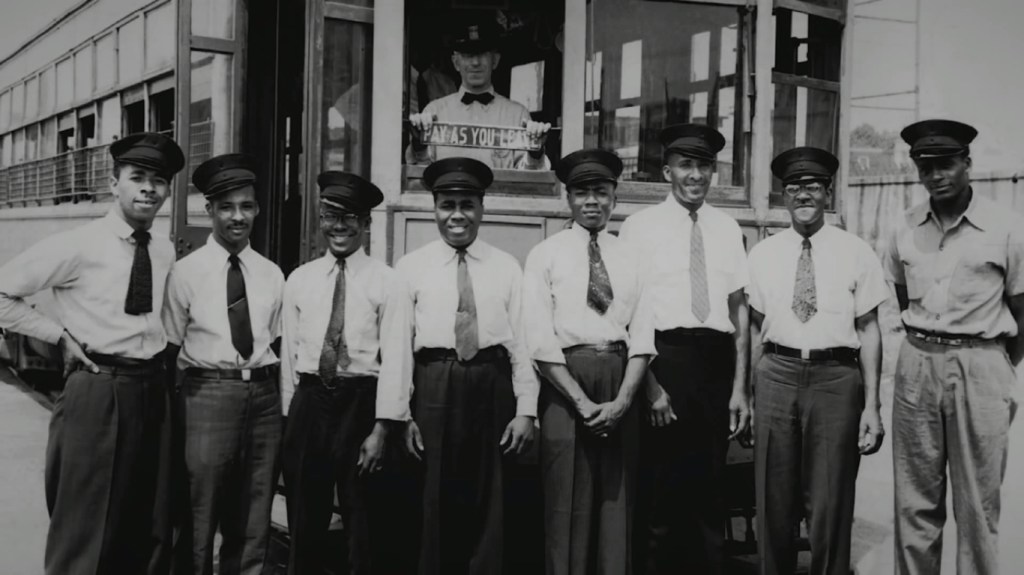
While the elites of Doctor’s Row were serving tea, NAACP Executive Secretary Carolyn Davenport Moore was serving justice. Prior to 1944, Philadelphia Transportation Company (PTC) consigned Black workers to jobs as porters, messengers or tracklayers. The positions of motorman and trolley operator were for white workers only. Moore organized protest marches. The NAACP filed complaints with the Fair Employment Practices Committee on the grounds PTC’s hiring practices violated Executive Order 8802 which banned discrimination in the defense industry.

The NAACP prevailed in the first civil rights battle of the modern era. Legendary drummer Philly Joe Jones was a drum major for justice. He was in the first group of eight African American trolley operators.

Philly Joe later moved to New York City where he likely spent time on Striver’s Row. The two blocks of rowhouses were home to, among others, jazz luminaries. Striver’s Row was designated the St. Nicholas Historic District in 1967 and added to the National Register of Historic Places in 1975. Striver’s Row represents a Who’s Who of Black America. By contrast, Doctor’s Row has Black folks asking: Who dis?

For updates, follow me on Twitter @andersonatlarge.

Gentrifiers and Black History in Philadelphia

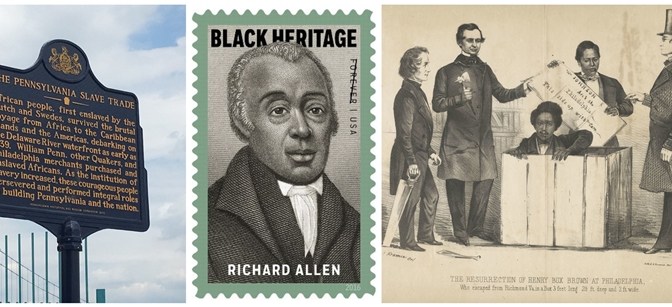
The first enslaved Africans were brought to Philadelphia in 1639. Philadelphia was the center of organized resistance to slavery. A visit to the National Museum of African American History and Culture shows that the African American story cannot be told without Philadelphia.

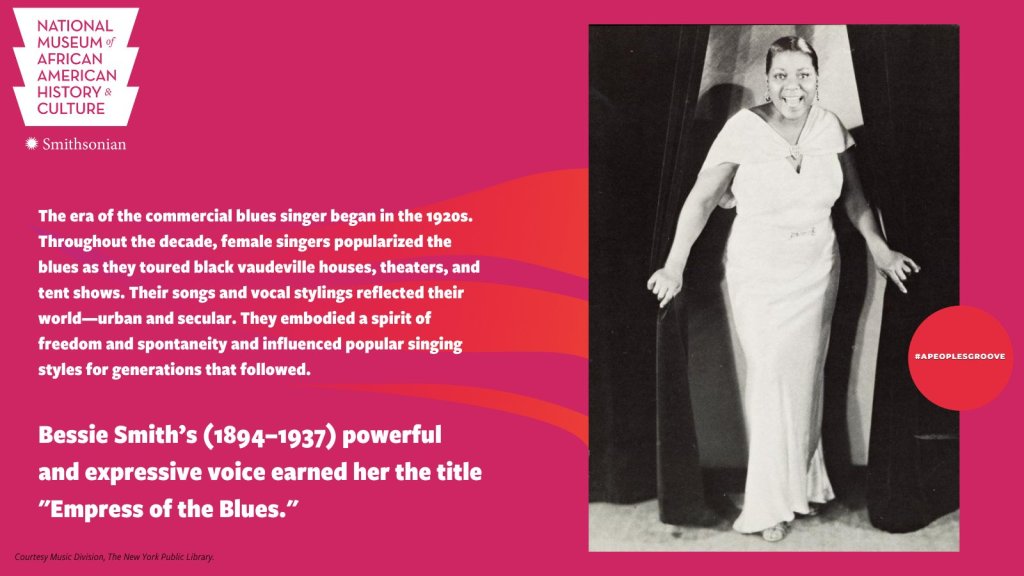
In a city with Black National Historic Landmarks and National Underground Railroad Network to Freedom sites, gentrifiers in the most gentrified neighborhood have proposed that six blocks – 1400 to 2000 Christian Street – be designated Philadelphia’s first “Black-themed” historic district. The notables who lived on this stretch of Christian Street are largely unknown but they lived in elegant townhouses. The 1300 block of Christian Street is not included in the proposed historic district because it is lined with basic rowhouses. The Bessie Smith House is located at 1319 Christian Street.

Philadelphia has a demolition crisis. Gentrifiers are exploiting Black history to preserve the historic fabric of the blocks from which African Americans have been displaced. If it is about Black history and culture, how do you exclude the Empress of the Blues? Download my statement on the proposed “Black-themed” historic district here.

Preservation Month 2021

May is Preservation Month, a time to celebrate historic places that matter to you. The former Douglass Hotel matters to me. Built in 1926, the Douglass Hotel was first listed in the Green Book in 1938. The property was added to the Philadelphia Register of Historic Places in 1995. The historical marker out front notes that when Billie Holiday was “[i]n this city, she often lived here.”

The Douglass Hotel was a safe haven for Black travelers. While the hotel rooms were basic, the lower level was magical. For nearly four decades, and several ownership and name changes, the basement space played host to jazz greats from Cannonball Adderley to Joe Zawinul. In the 1950s it was known as the Rendezvous Club. In the 1960s, it was renamed the Showboat. In the 1970s, it was the Bijou Café. This door leads down to the lower level where John Coltrane and Grover Washington Jr. recorded live albums.

The future Queen of Soul performed in the lower level of the Douglass Hotel on January 2, 1961. In Higher Ground: Stevie Wonder, Aretha Franklin, Curtis Mayfield, and the Rise and Fall of American Soul, John Wilson, a pianist for the legendary Clara Ward and the Ward Singers, recalled:

Aretha Franklin came to Philly to sing at the Showboat Club on Lombard Street. After checking in at the hotel upstairs over the club, she took a cab over to Mom Ward’s house to get connected to familiar souls. She was a little nervous about breaking into pop singing. That night Clara, me, and Rudy (the Wards’ chauffeur) went to the Showboat to catch Aretha’s performance. The only people familiar with the name Aretha Franklin were gospel people, who weren’t about to show up. They were angry at her crossing over to pop. When we went in the door we heard that wonderful voice and saw that it was being wasted on an almost empty house.

Sixty years later, there will be full houses to see the movie RESPECT starring Academy Award® Winner Jennifer Hudson as Aretha Franklin.

RESPECT will be in theaters in August. If the movie lives up to the trailer, a second Oscar might be in Jennifer Hudson’s future.

John Coltrane House Philadelphia Update

On May 5, 1959, tenor saxophonist John Coltrane entered Atlantic Studios to lay down the tracks for “Giant Steps” with pianist Tommy Flanagan, bassist Paul Chambers and drummer Art Taylor.

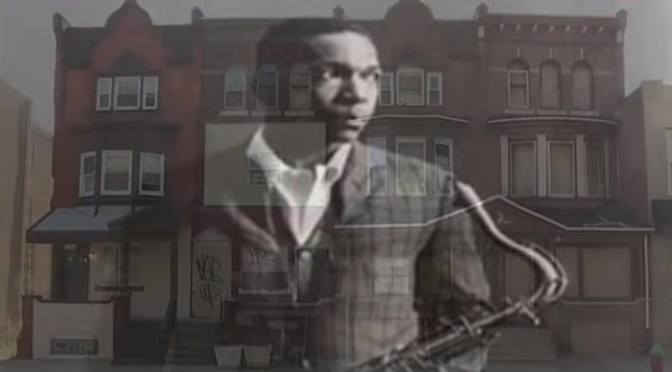
Coltrane composed “Giant Steps” while living in Philadelphia. His rowhouse in the Strawberry Mansion neighborhood is listed on the Philadelphia Register of Historic Places and the National Register of Historic Places. The property was designated a National Historic Landmark, the highest recognition for a historic property, in 1999. For more than a decade, the house has been deteriorating before our eyes and the subject of hand-wringing. So I nominated the historic landmark for 2020 Preservation At Risk.

On May 3, 2021, the Strawberry Mansion Community Development Corporation (SMCDC) announced the completion of the John Coltrane Museum and Cultural Arts Center Site Feasibility Study:

For years now, questions regarding the future of the Coltrane House have been circulating within the preservation, jazz, local, national, and international realms. SMCDC has always viewed the house where Mr. Coltrane, his mother and cousin Mary lived, as a significant cultural and community asset that represents the community’s long-time relationship to jazz and Fairmount Park. SMCDC views the site feasibility study as the basis to implement its plan to restore the house as a museum, preserve the row’s architectural character, create a gateway to Strawberry Mansion and develop a world class venue where jazz can be heard, studied and appreciated.

As important, the Estate of Norman Gadson is involved. Gadson purchased the property from Cousin Mary in 2004. Aminta Gadson, an heir to the estate, said:

While my family and I have had a challenging time maintaining this property, we are happy to have been able to preserve it thus far because of the value it holds. We hope and pray that as future stewards, SMCDC, can restore it and share it with jazz fans worldwide.

If you are interested in volunteer planning and professional services opportunities, contact Strawberry Mansion CDC at coltranemcac@strawberrymansioncdc.org.

The Black Church in America

I am not a church-goer but I fight to save historic churches from demolition (here and here). Regardless of the denomination, the Black Church served as “the foundation for [our] freedom struggle.” Built with the blood, sweat and tears of the ancestors, these buildings hold stories of faith, resistance and triumph.

Most Sunday mornings, I listen to spirituals and old school gospel music.

In his remarks at the 22nd Annual Nancy Hanks Lecture on Arts & Public Policy, Managing and Artistic Director of Jazz at Lincoln Center Wynton Marsalis said:

Those spirituals were the first body of identifiable purely American music art. … Slaves reaching across time to connect the Old Testament and the New, and Moses and freedom, and Jesus and freedom and made it all be right now. They couldn’t even read. But they knew. And I’m telling you these songs brought people together because singing gives a community purpose. And they put everything in those songs. And that music made us believe and it called us home.

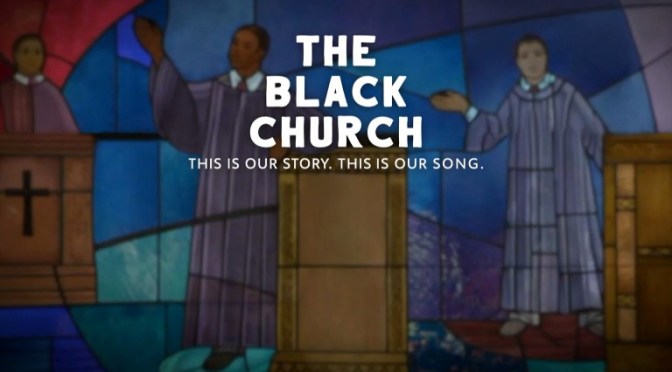
On Tuesdays, February 16-23, 9:00 p.m. ET, I will be called home to the church as PBS premieres the two-part series, The Black Church: This Is Our Story, This Is Our Song, which retraces 400 years of the Black Church in America.

The Black Church: This Is Our Story, This Is Our Song will be available on PBS, PBS.org and PBS Video App. Check your local listing here.

Black History Matters

This year marks the 200th anniversary of the birth of William Still, father of the Underground Railroad. Still’s last place of residence was 244 S. 12th Street.

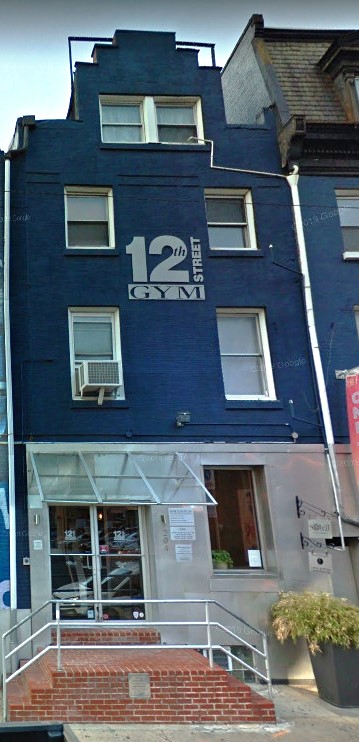
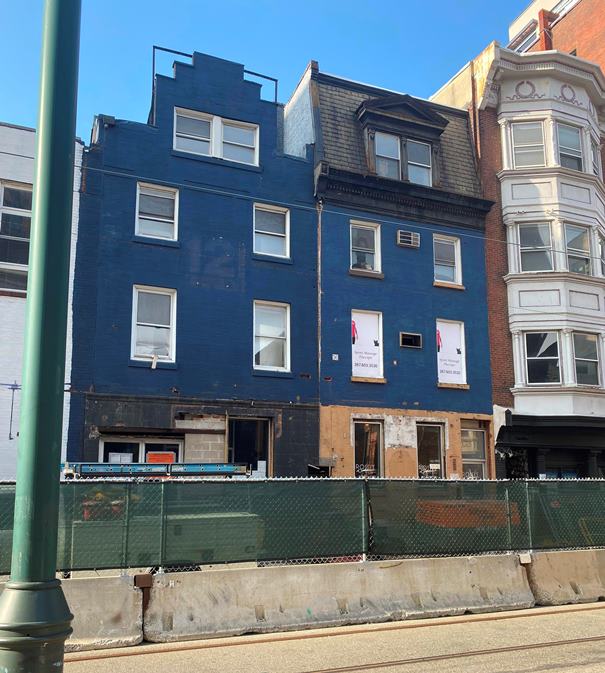
Still’s neighbors included abolitionist Henry Minton who lived at 204 S. 12th Street. While Still’s residence has been demolished, Minton’s former residence and place of business is still standing, for now.

In the coming weeks, New York City-based Midwood Investment & Development will demolish one of the few extant buildings associated with the Underground Railroad. The road to demolition was paved by the Philadelphia Historical Commission which for an “inexplicable” reason ignored the unanimous recommendation of its Committee on Historic Designation. The sole vote for designating the Henry Minton House was cast by the representative of City Council President Darrell Clarke, the only Black man with a seat at the table.

The Philadelphia Inquirer Editorial Board wrote:

Critics like Faye M. Anderson, the director of a public history project to document Philadelphia’s golden age of jazz, maintain that the commission and its staff, which are predominantly white, do not advocate enough on behalf of preserving overlooked sites, such as Doctors Row, that are rich with Black history.

Consider the inexplicable 2019 decision to reject a register nomination for a 12th Street building once occupied by the abolitionist Henry Minton, a member of Philadelphia’s 19th-century Black elite. Anderson and other critics contend the commission gave too much weight to arcane technical specifications or architectural alterations — and paid too little attention to the role of the building in community life.

Demolition of the Henry Minton House is not the end of the story. Midwood has a conditional public art bonus that allows the developer to build more cookie-cutter apartments for “the demographic moving to Philly.” The zoning density bonus is site-specific and must be approved by the Philadelphia Art Commission. If the developer erases the history of the specific site, 204 S. 12th Street, the community will fight the issuance of a Certificate of Occupancy. Without a CO, Midwood’s shiny new high-rise will sit empty.

The struggle continues.

UPDATE: The Design Advocacy Group’s letter to the editor in response to the Philadelphia Inquirer Editorial Board op-ed has been published (full disclosure: I serve on DAG’s Steering Committee). The letter reads in part:

While we’re at it, we also can’t wait for a long-term solution to protect the house and restaurant of abolitionist and star caterer Henry Minton at 204 South 12th Street. The developers of the generic 36-story residential tower planned for that site have agreed to pay for a replacement for the mural honoring LBGTQ activist Gloria Casarez that they have already painted over. That’s welcome news. But they should also preserve the distinctive 19th-century façade of the Minton house. That will make their project more attractive—and it’s the right thing. It’s a win-win.

Read more

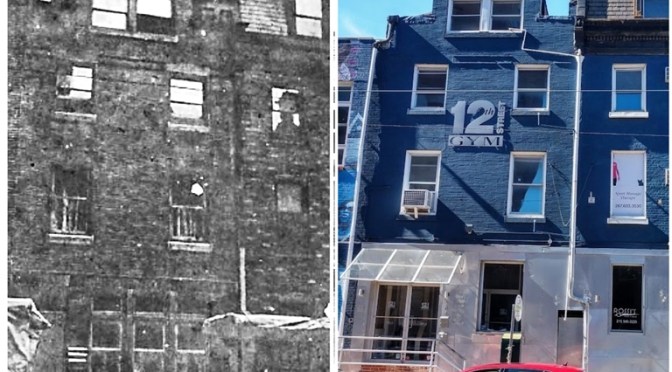
On the eve of Dr. Martin Luther King Jr.’s birthday, Midwood Investment & Development began to demolish the Henry Minton House. The developer unwittingly exposed the lie that the alterations to the façade were irreversible. With little effort, the façade could have been restored to its period of significance. But properties associated with Black history must pass a Jim Crow historic integrity test that the Betsy Ross House and other properties designated “historic” could not pass.

This is what systemic racism in historic preservation looks like.

Help Preserve Historic Eden Cemetery

George Bernard Shaw famously said, “Youth is wasted on the young.” In my youth, I took the long way to my high school rather than the short-cut through the nearby cemetery. Fast forward to today, when I pass a burial ground, I often think of Johnny Taylor who sang “people in the cemetery, they’re not all alone.”

Eden Cemetery is a 53-acre historic district listed on the National Register of Historic Places. It is a site on the National Park Service’s Underground Railroad Network to Freedom, and a member of the Pennsylvania Hallowed Grounds Project. A stroll through Eden is “like walking through a book of Black history.” The lives of those interred span from 1721 to the present.

Under the CARES Act, taxpayers who don’t itemize their deductions are allowed to deduct an additional $300 for cash contributions to public charities this year. You can help protect Eden’s legacy and preserve African American memory by making an end-of-year donation here.

Your tax-deductible donation will ensure the graves of Father of the Underground Railroad William Still, Letitia Still, Henry Minton, Octavius V. Catto, Frances Ellen Watkins Harper, Marian Anderson, among others, will be kept clean.

Systemic Racism and Historic Preservation

From the colonial era to the Civil War, Philadelphia was a center of organized resistance to slavery. The city was also home to the largest and wealthiest African American population in the country. Philadelphia’s Black elite included Henry Minton (1811-1883), a caterer and abolitionist whose guests included John Brown, Frederick Douglass, and William Still, the Father of the Underground Railroad. But this history is largely absent from the properties listed on the Philadelphia Register of Historic Places.

Last year the Philadelphia Historical Commission ignored the unanimous recommendation of its Committee on Historic Designation and rejected the nomination of the Henry Minton House for listing on the local register because its façade has been altered. Midwood Investment & Development plans to demolish one of the few extant buildings associated with the Underground Railroad in Philadelphia.

Midwood CEO John Usdan signaled his biased view of history in 2017. In an interview with The Philadelphia Inquirer Usdan said:

Because the city’s so rich in history and has all these great historic buildings and amazing places where you want to congregate, it’s exactly what the demographic moving to Philly wants (emphasis added).

That is what systemic racism in historic preservation sounds like. This is what it looks like. The Historical Commission applied a Jim Crow-like test of historic integrity that the Betsy Ross House and “historic” properties in Society Hill could not pass.

For a deeper dive, check out my essay “Henry Minton House, Systemic Racism and Historic Preservation.”

Keep Gloria Casarez Mural on 12th Street

Thirty years ago, now-Columbia Law School professor Kimberlé Crenshaw coined the term intersectionality, “a lens through which you can see where power comes and collides, where it interlocks and intersects. It’s not simply that there’s a race problem here, a gender problem here, and a class or LBGTQ problem there. Many times that framework erases what happens to people who are subject to all of these things.”

Midwood Investment & Development’s demolition of 204 South 12th Street will erase LBGTQ history and Black history from public memory. The fight to save the Gloria Casarez mural intersects with the fight to save one of the few extant buildings associated with the Underground Railroad.

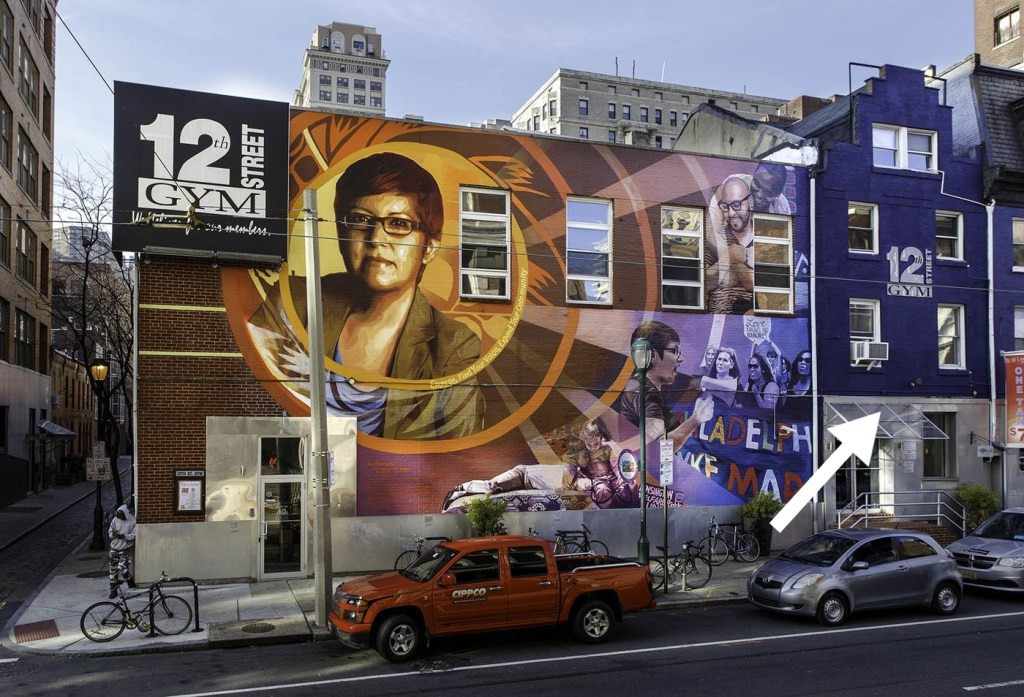
Casarez was a civil rights leader, LGBTQ activist, and the first director of Philadelphia Mayor’s Office of LGBT Affairs. Her mural adorns one of the interconnected buildings owned by Midwood. The building to the right of the mural is the former residence and place of business of Henry Minton, a leading Black abolitionist and elite caterer whose guests included John Brown, Frederick Douglass and William Still, the Father of the Underground Railroad.

Midwood plans to demolish the property and build apartments for the “demographic moving to Philly” (read: white people). In an op-ed published in The Philadelphia Inquirer, Erme Maula, a lifelong activist for justice and equality, wrote:

The Gloria Casarez mural at 204 S. 12th St. is scheduled for imminent demolition by Midwood Development and Investment. Midwood plans to knock down the former 12th Street Gym and build a 31-story building in its place.

Anyone who knew Gloria and her impact on Philadelphia knows that the loss of the mural is a massive loss for our city. The mural was erected in 2015 to honor Gloria Casarez, a local Latina activist who died of breast cancer in 2014. Gloria dedicated her life to civil and economic rights. She brought communities together to find common ground and common vision. As a student, she organized other students to push for affordable housing and an end to homelessness. As the city’s first director of LGBT affairs, Gloria led Philadelphia to adopt the broadest protections for LGBT people in the nation.

On Monday, October 19, 2020, there will be a “Keep Gloria on 12th” vigil in front of the mural from 5pm to 6:30pm, followed by a Town Hall via Zoom at 7pm. The town hall meeting will provide a space to “plan further actions to stop the erasure of our lives, our achievements, and our history that Gloria fought to preserve.” The vigil and town hall are open to the public. To register, go here.