Tag Archives: Jazz

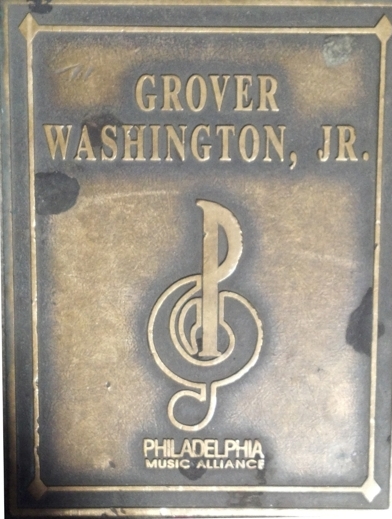
Grover Washington Jr.

One of the most popular saxophonists of all time (even his off records had impressive sales), Grover Washington, Jr. was long the pacesetter in his field. His roots were in R&B and soul-jazz organ combos, but he also fared very well on the infrequent occasions when he played straight-ahead jazz. A highly influential player, Washington was sometimes blamed for the faults of his followers; Kenny G. largely based his soprano sound on Grover’s tone. However, most of the time (except when relying on long hit medleys), Washington pushed himself with the spontaneity and chance taking of a masterful jazz musician.

Grover Washington, Jr., whose father also played saxophone, started playing music when he was ten and within two years was working in clubs. He picked up experience touring with the Four Clefs from 1959-1963 and freelancing during the next two years, before spending a couple years in the Army. He moved to Philadelphia in 1967, becoming closely identified with the city from then on, and worked with several organists, including Charles Earland and Johnny Hammond Smith, recording as a sideman for the Prestige label. His biggest break occurred in 1971, when Hank Crawford could not make it to a recording date; Washington was picked as his replacement, and the result was Inner City Blues, a big seller. From then on he became a major name, particularly after recording 1975’s Mister Magic and 1980’s Winelight; the latter included the Bill Withers hit “Just the Two of Us.”
READ MORE

Grover Washington Jr. Plaque

1959: The Year that Changed Jazz

There are some years that were so momentous just their mention evokes milestones. Think 1776 and 1964. Or 1965 and “Bloody Sunday,” a retelling of which, “Selma,” is now playing in theaters.

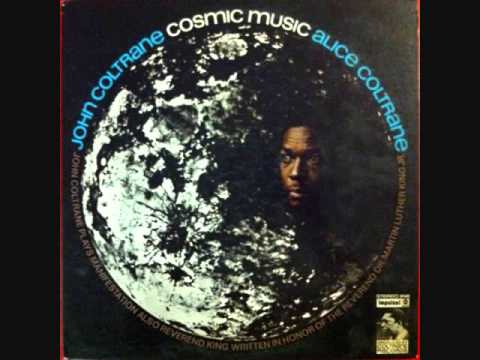
1959 was the year that changed jazz. That year marked the release of Miles Davis’ “Kind of Blue,” John Coltrane’s “Giant Steps,” Ornette Coleman’s “Shape of Jazz to Come” and Dave Brubeck’s “Time Out.”

Is Jazz Healthy?

The Jazz Connect Conference, organized by JazzTimes and the Jazz Forward Coalition, was held January 8-9, 2015, in New York City and led into the annual Association of Performing Arts Presenters Conference, as well as Winter Jazzfest. The Jazz Connect Conference featured a series of workshops, panels discussions, and keynote address by Philly-native Christian McBride.

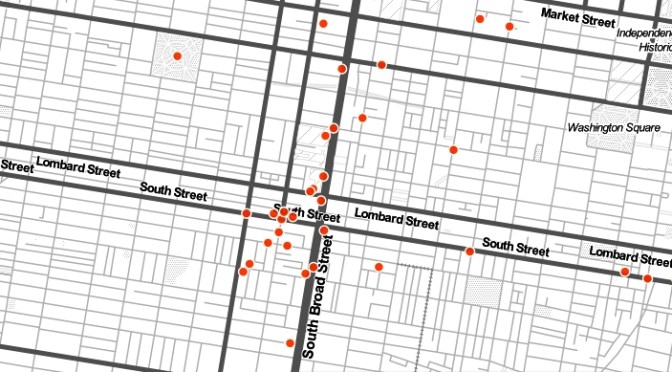
South Street

In the 1920s, jazz became the soundtrack for the revolution in manners and morals that was sweeping the nation. In New York’s Harlem, South Philadelphia, the south side of Chicago, Pittsburgh’s Hill District and other northern cities urban African Americans, known as the New Negroes, were finding expanded opportunities and new identities. One of the first singers to give voice to this new generation was Chester, Pennsylvania’s Ethel Waters, the first recording star of the African-American-owned Black Swan Record Company.

In the African-American-owned Standard Theatre on South Street, Waters, Bessie Smith, Duke Ellington, Louis Armstrong, and other jazz and blues stars performed their music for black and white audiences. The Standard and Dunbar were stops on a circuit of African-American theaters that brought the best of black touring shows to their cities.

READ MORE