
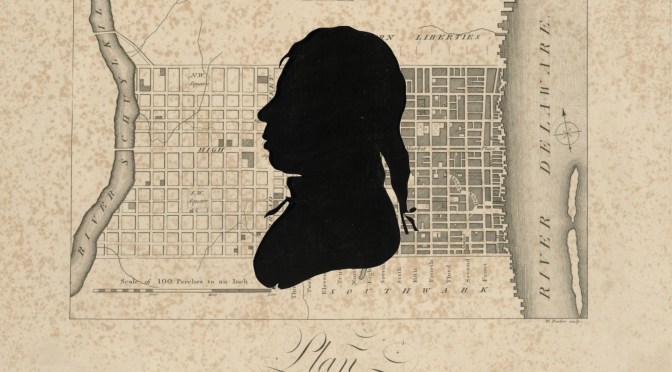
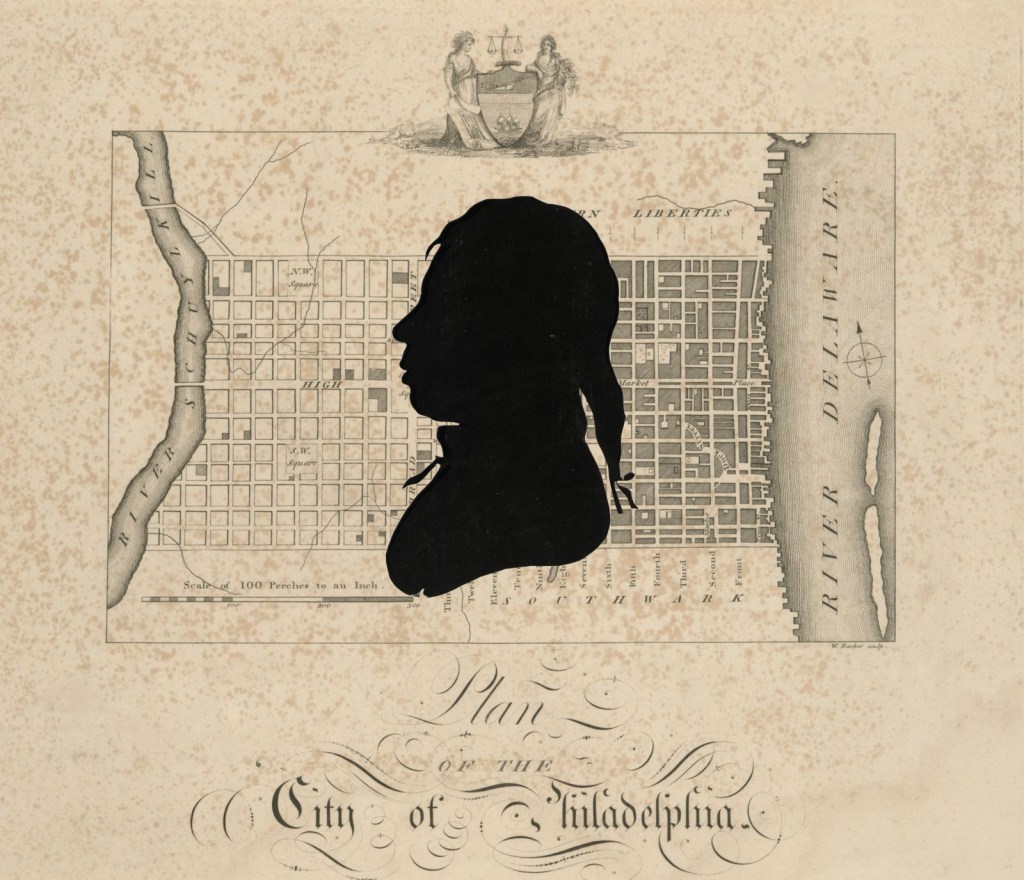
Master silhouette artist Moses Wlliams passed away on December 13, 1830. Born into slavery in August 1776, Moses lived in the shadow of his enslaver, Charles Willson Peale. Moses grew up in the same household with Peale’s children, but he was denied the opportunity to learn the fine art of painting that was afforded his enslaver’s children.
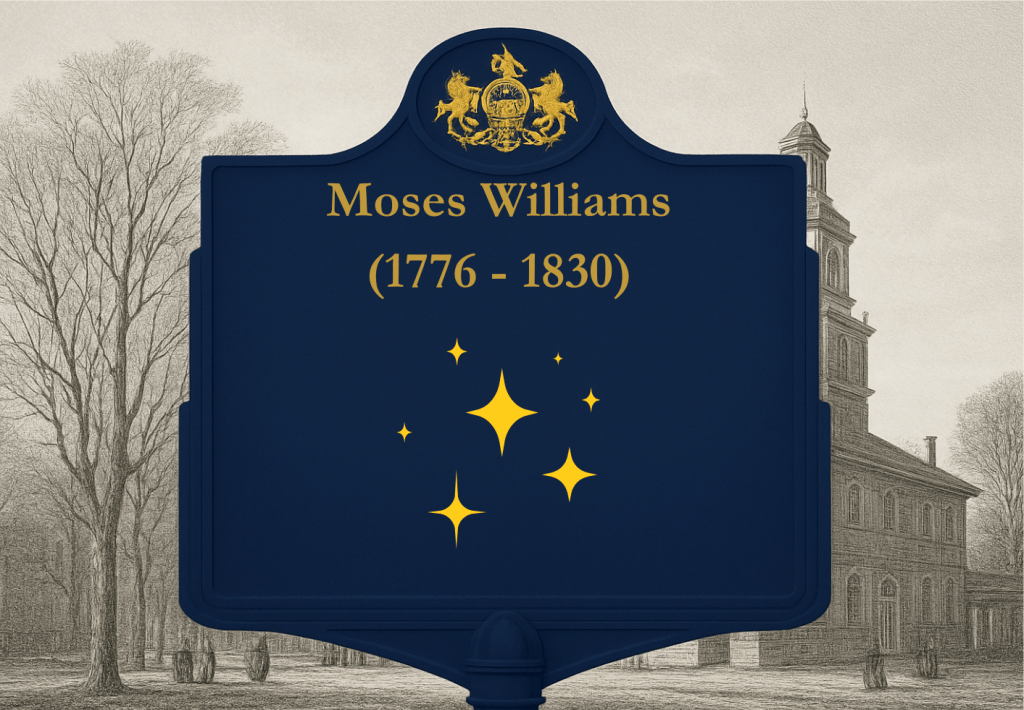
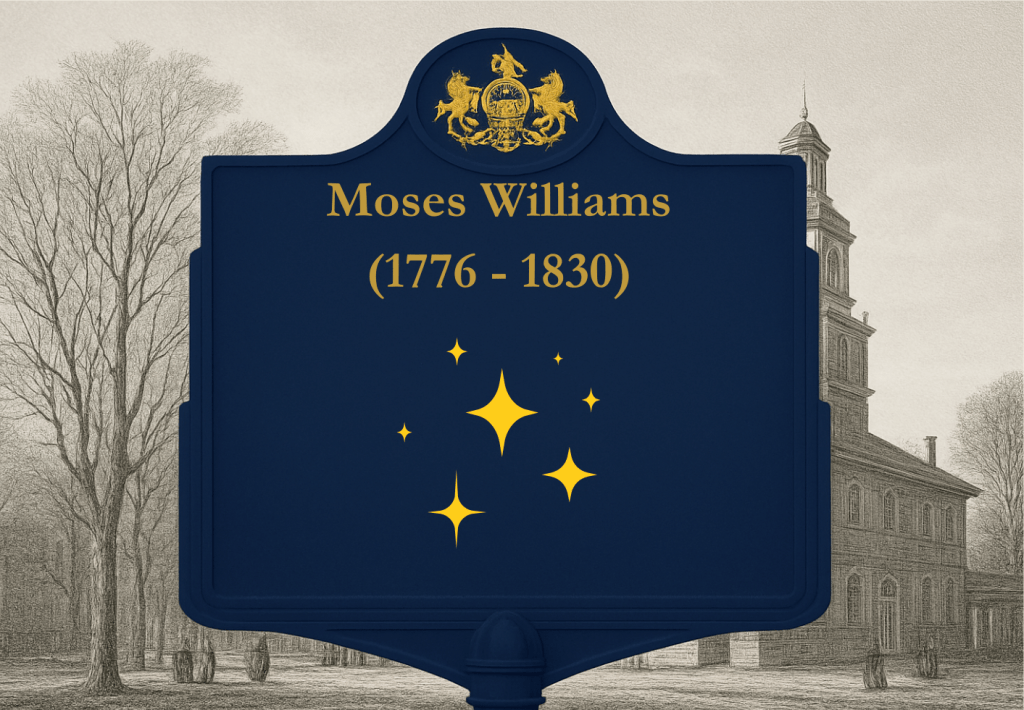
Moses made a way out of no way. He excelled as a silhouette artist and earned a place in history. Moses’ Pennsylvania historical marker will be dedicated in 2026, the 250th anniversary of his birth.
Moses was interred at Northwest Burial Ground on December 20, 1830. Sometime between 1853 and 1868, the burial ground was sold, the bodies disinterred, and a church constructed on the site. Some of the remains were removed to Section 203 at Mount Moriah Cemetery in 1868 under a monument that reads: “Sacred to the memory of the dead whose remains were removed from the 16th and Coates St. Cemetery of St. Georges M. E. Church Philadelphia to this place in the year 1868.”
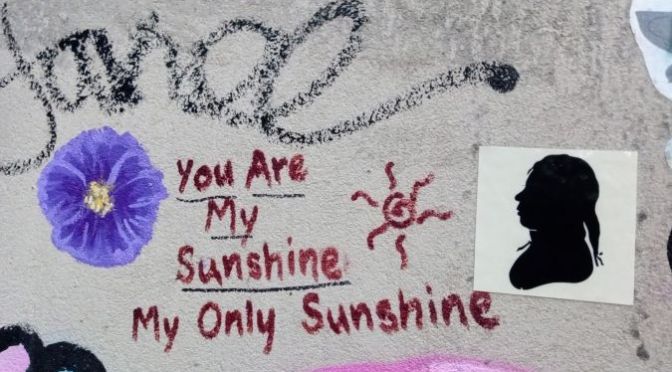
Mount Moriah has no record that Moses’ remains were among those reinterred in Section 203. In the absence of a final resting place, I plastered the only known image of Moses in Freeman Alley, a graffitied place of remembrance in New York City.

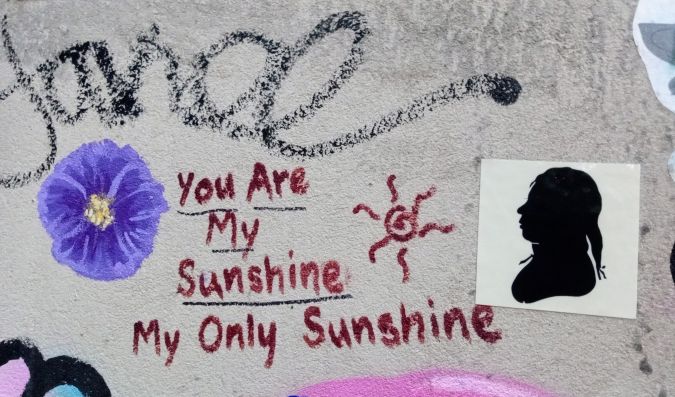
Pasting over others’ stickers is part of the culture of Freeman Alley.


When Moses Williams’ historical marker is unveiled in 2026, he will have a permanent place in public memory.
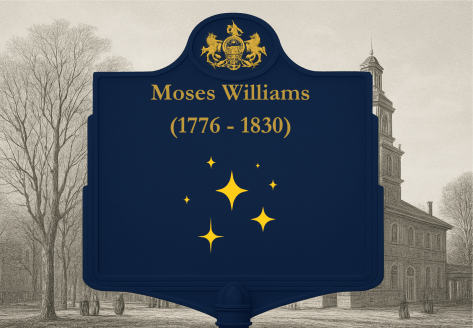
The dedication ceremony is open to the public. If you are interested in attending, send your name and email address to phillyjazzapp@gmail.com.













 All That Philly Jazz