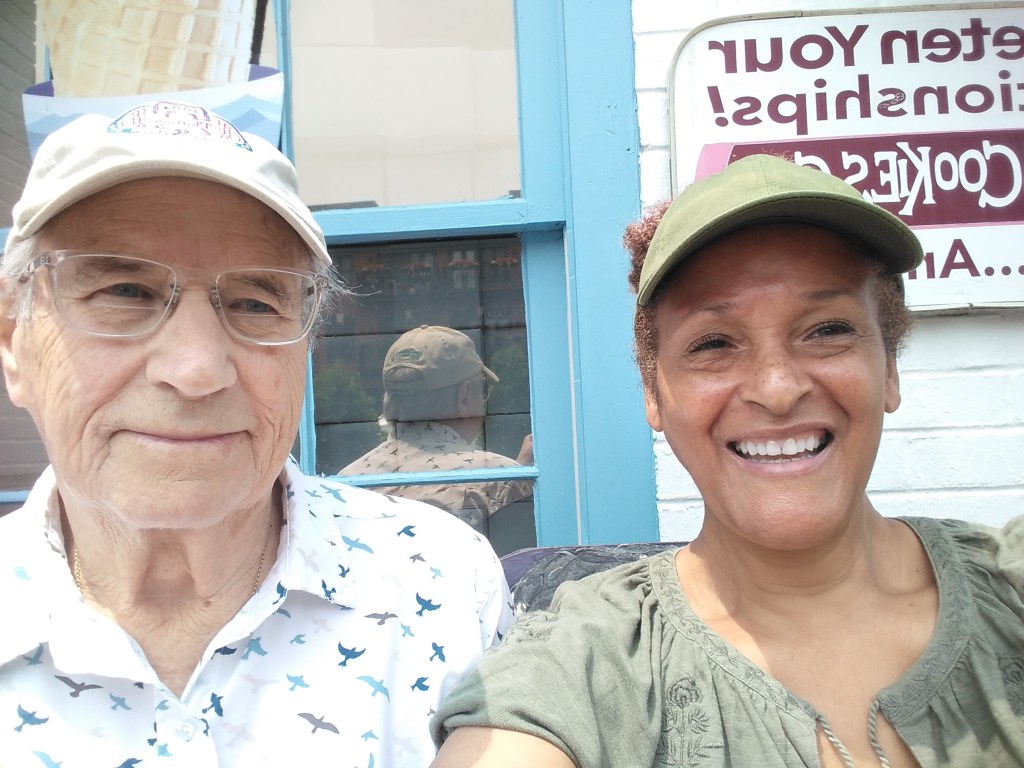
All good things must come to an end and so it is with Black Music Appreciation Month. I closed out the annual celebration with Herb Spivak, co-owner of two of Philadelphia’s legendary jazz clubs, the Showboat and Bijou Café. As a club owner, Herb played host to jazz greats from Cannonball Adderley to Joe Zawinul.
John Coltrane recorded a live album at the Showboat in 1963.
Grover Washington Jr. recorded a live album at the Bijou Café in 1977.
Herb is our special guest at Lee Morgan’s heavenly birthday celebration on July 10, 2023. Click here to register for the free community event.
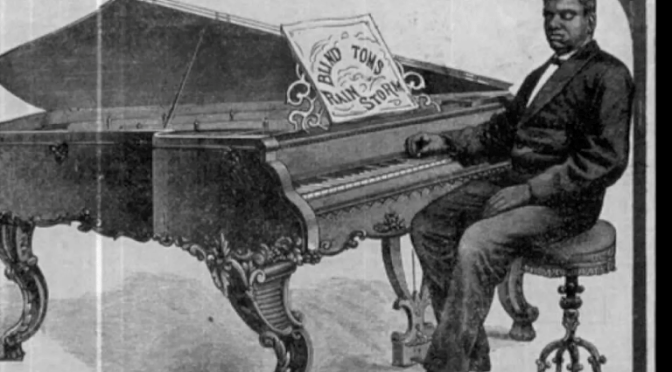
Thomas Greene Wiggins was born May 25, 1849 to Mungo and Charity Wiggins, slaves on a Georgia plantation. He was blind and autistic but a musical genius with a phenomenal memory. In 1850 Tom, his parents, and two brothers were sold to James Neil Bethune, a lawyer and newspaper editor in Columbus, Georgia. Young Tom was fascinated by music and other sounds, and could pick out tunes on the piano by the age of four. He made his concert debut at eight, performing in Atlanta. In 1858 Tom was hired out as a slave-musician, at a price of $15,000.
In 1859, at the age of 10, he became the first African American performer to play at the White House when he gave a concert before President James Buchanan.
The musical phenomenon is memorialized in Elton John’s “The Ballad of Blind Tom.”
In 1979, President Carter proclaimed June as “Black Music Month.” Every president since Bill Clinton has continued the tradition, including President Joe Biden. In his 2023 proclamation, Biden said:
During Black Music Month, we pay homage to legends of American music, who have composed the soundtrack of American life. Their creativity has given rise to distinctly American art forms that influence contemporary music worldwide and sing to the soul of the American experience.
I want to kick off African American Music Month by sharing NEA National Heritage Fellow’s tribute to one such legend, soul singer and songwriter William Bell. The National Heritage Fellowship is a lifetime honor presented to master folk and traditional artists by the National Endowment for the Arts.
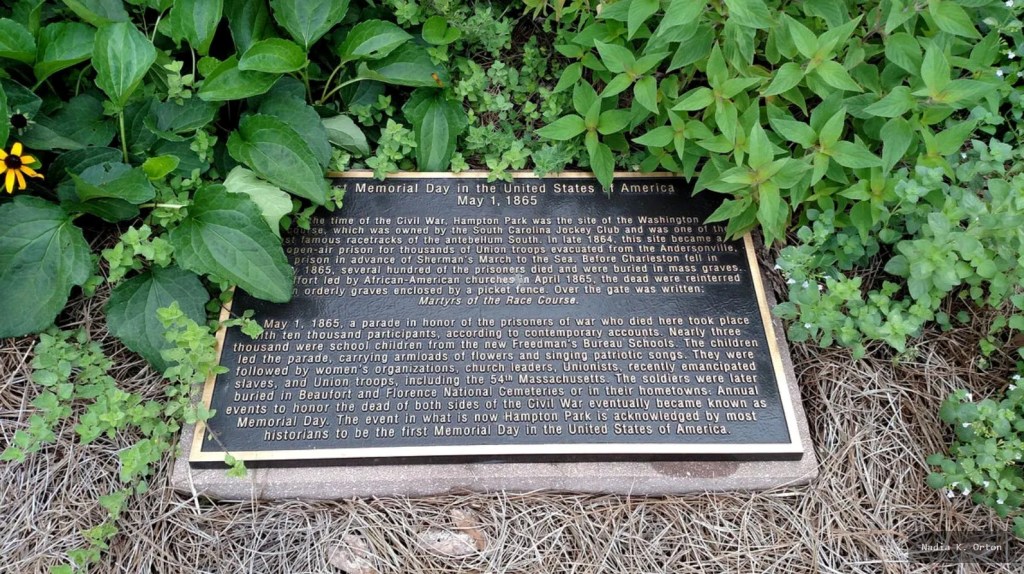
Originally called Decoration Day, Memorial Day was first observed on May 1, 1865 in Charleston, South Carolina.
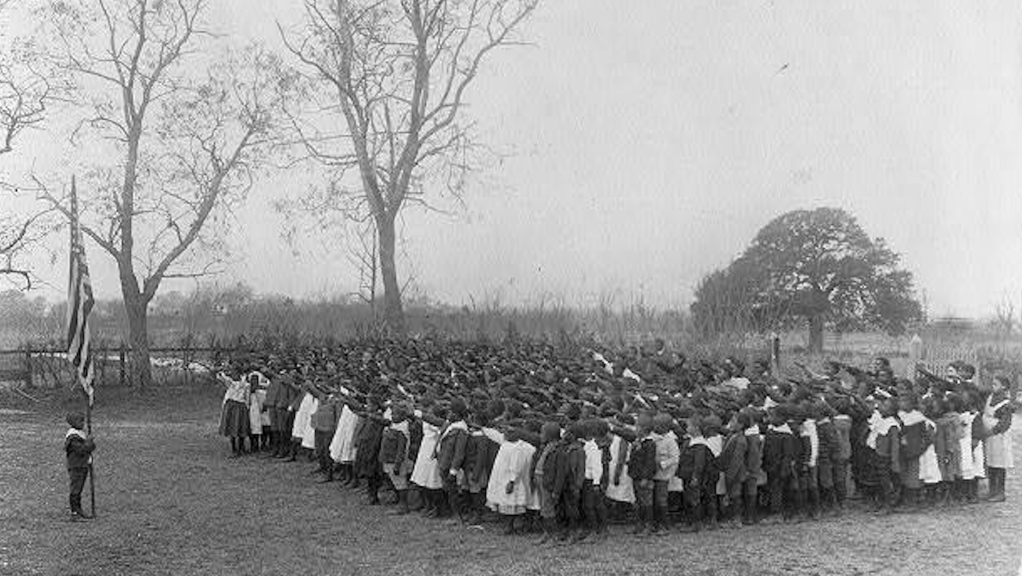
Thousands of African Americans, including the formerly enslaved, the 54th Massachusetts Infantry Regiment, and the 34th and 104th United States Colored Troops, were led by children as they gathered to honor 257 Union soldiers who were buried in a mass grave behind the grandstand of the city’s Washington Race Course. The ancestors paid tribute to those who gave their lives by decorating their graves, hence Decoration Day.
James Forman, known professionally as James Mtume or Mtume, was born and raised in South Philly. His biological father was legendary saxophonist Jimmy Heath of the Heath Brothers. Mtume was a jazz and R&B musician, songwriter, producer, activist and radio personality. He came to prominence as a jazz musician working with Miles Davis between 1971 and 1975.
In the 1980s, Mtume formed his own band, which combined jazz, funk and R&B. The group’s biggest hit was the 1983 single “Juicy Fruit” which reached No. 1 on the R&B charts and became a crossover hit on the pop charts.
“Juicy Fruit” is one of the most sampled songs, including by the Notorious B.I.G.
Mtume also had a top-five R&B hit with the single “You, Me, and He”. He created hits for Roberta Flack and Donny Hathaway (“The Closer I Get To You” and “Back Together Again”), and co-wrote and co-produced Stephanie Mills’ Grammy-winning “Never Knew Love Like This Before.”
Mtume joined the ancestors on January 9, 2022. He is gone but not forgotten. On May 12, 2023, the 1500 block of Wharton Street will be ceremoniously renamed James Mtume Way. Special guests include singer and actress Melba Moore and survivors of the Heath Brothers band. Faulu Mtume said:
It’s beyond words just how great this is, the City of Brotherly Love honoring my father, a Philly native. Wharton Street is where his journey into music, social activism and politics began. The roots for all three are there.
The Library of Congress has announced the 2023 National Recording Registry, an annual list of audio recordings that are “culturally, historically, or aesthetically important.” The Registry was established by the National Recording Preservation Act of 2000 which created the National Recording Preservation Board whose members are appointed by the Librarian of Congress. The Registry includes a wide variety of recordings that are deemed significant to the nation’s audio heritage.
Librarian of Congress Carla Hayden said:
The National Recording Registry preserves our history through recorded sound and reflects our nation’s diverse culture. The national library is proud to help ensure these recordings are preserved for generations to come, and we welcome the public’s input on what songs, speeches, podcasts or recorded sounds we should preserve next.
The 2023 list includes “St. Louis Blues” by W.C. Handy’s Memphis Blues Band.
One of my all-time favorites, Koko Taylor’s “Wang Dang Doodle,” is on the list.
Fletcher Henderson’s “Sugar Foot Stomp” and Wynton Marsalis’ “Black Codes (From the Underground)” were added to the Registry.
The complete National Recording Registry Listing is available here.
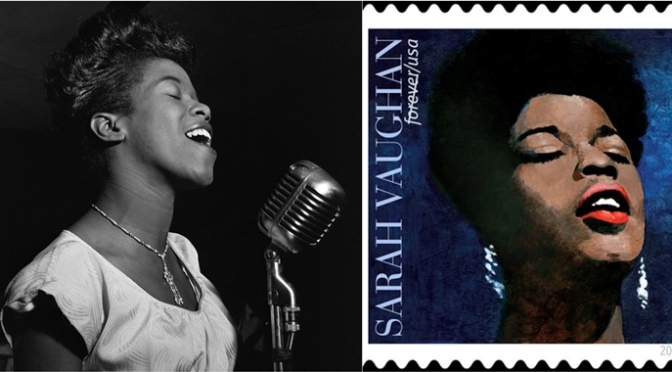
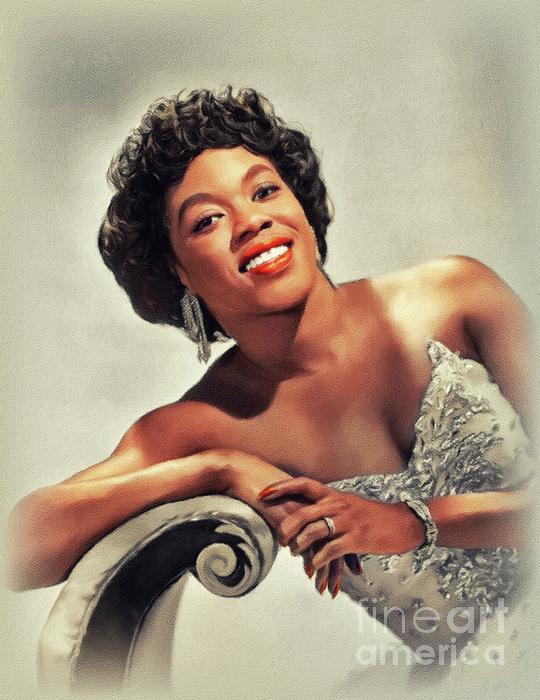
As Women’s History Month and Women In Jazz Month come to a close, I would like to celebrate “Sassy” Sarah Vaughan who was born on March 27, 1924 in Newark, New Jersey.
Vaughan’s professional career began after she won first prize at the famed Amateur Night at the Apollo Theater in 1943. Six months later, she joined Earl Hine’s big band. Her first hit was the jazz standard “Tenderly” which she recorded in 1947.
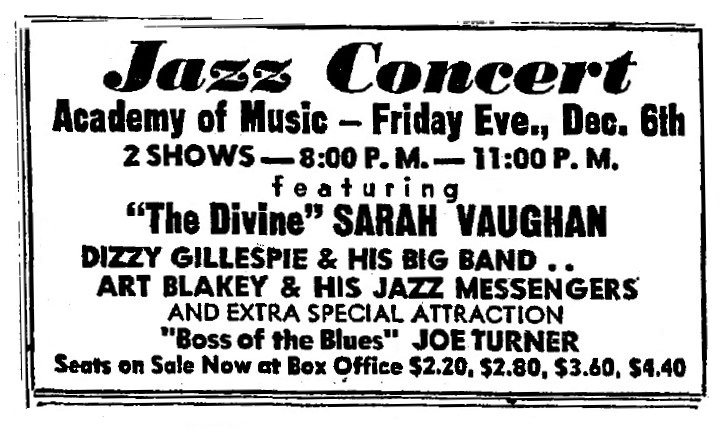
The legend-in-the-making was one of Philly’s favorite jazz singers. Vaughan graced many stages in Philadelphia, including the Powelton Café, Pep’s Musical Bar, the Arena, Uptown Theater, Robin Hood Dell (now Mann Center for the Performing Arts), Robin Hood Dell East (now the Dell Music Center), Zanzibar Blue and the Academy of Music.
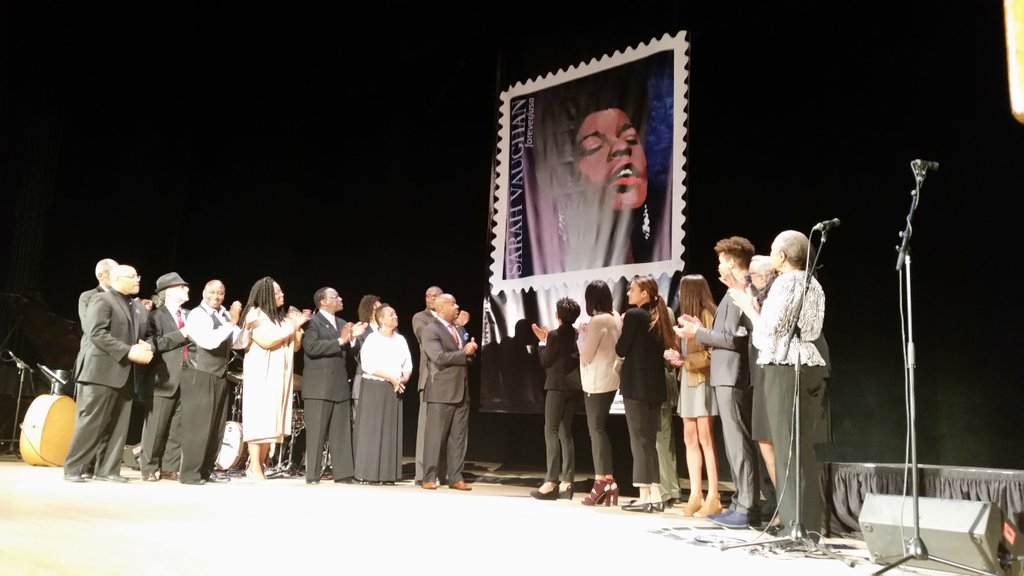
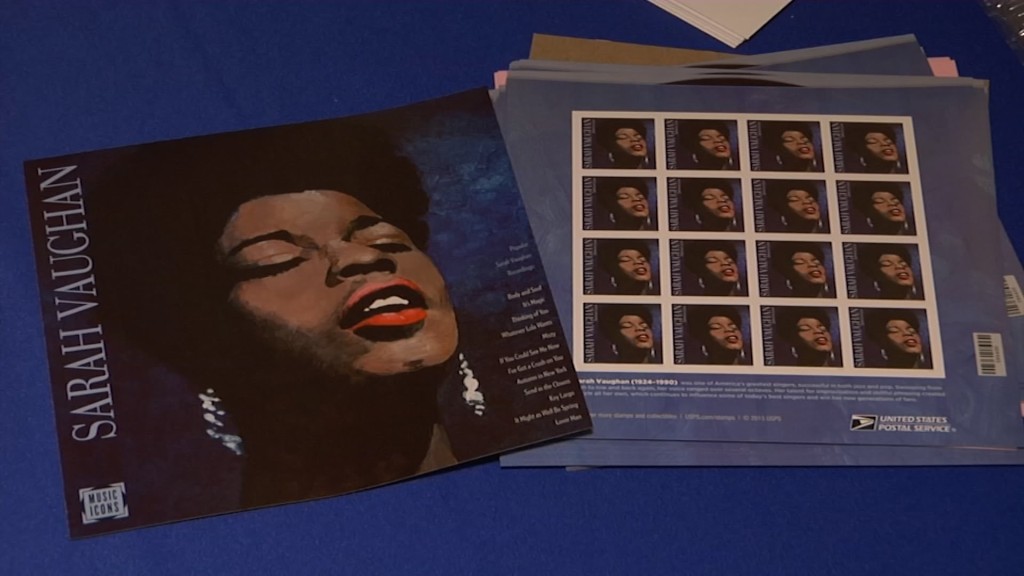
A two-time GRAMMY Award winner, the “Divine One” is memorialized with a United States Postal Service Forever Stamp. The First-Day-of-Issue ceremony was held on March 29, 2016 at the Sarah Vaughan Concert Hall at Newark Symphony Hall.
All That Philly Jazz is a place-based public history project at the intersection of art, public policy, and cultural heritage preservation.
While our content is free, researching and documenting Philadelphia’s jazz history and untold stories takes time. And time is money. If you value and appreciate what we do, please make a donation today.
Please click on the image to make a donation with PayPal, debit or credit card. Thank you!
For years I could not get pass the optics of Louis Armstrong, mainly the broad grin and ever-present handkerchief. Fast forward to today, I share Ossie Davis’ love and respect for Pops.
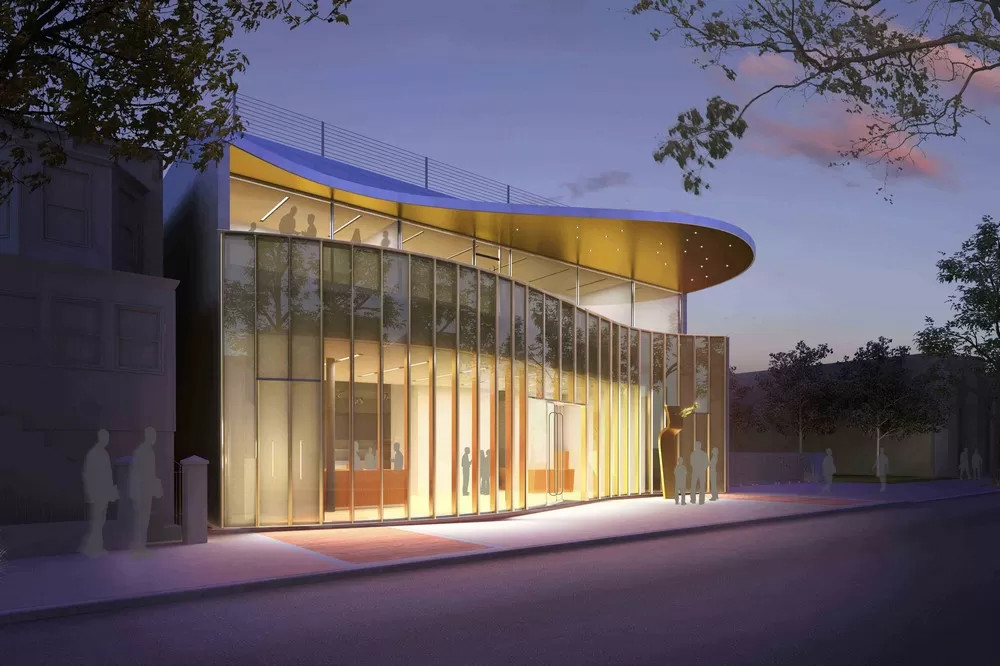
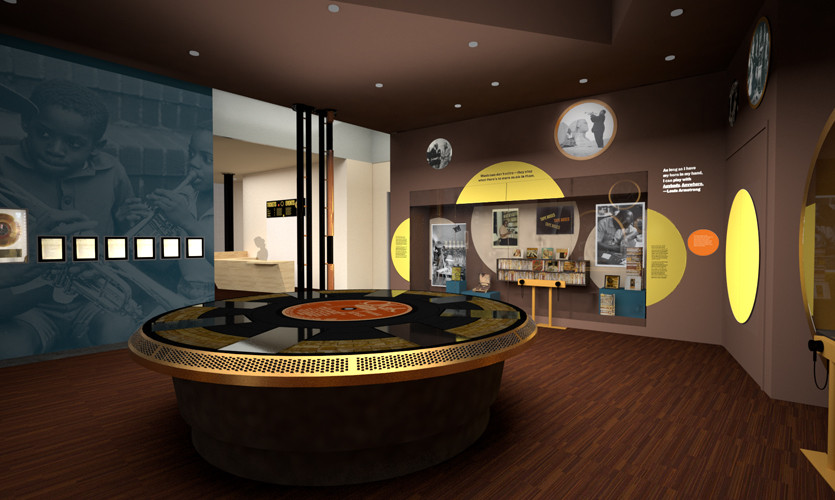
As a preservationist, I am in awe of Pops and Lucille Armstrong’s dedication to preserving his legacy in public memory. The Louis Armstrong House Museum, a National Historic Landmark, and the new Louis Armstrong Center provide a blueprint for preservation of the built environment, as well as cultural heritage preservation.
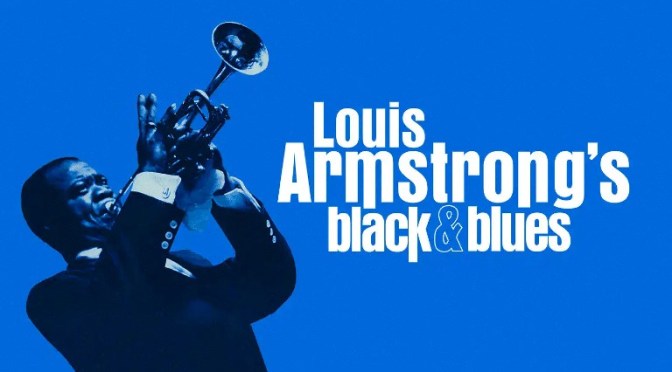
Pops once said, “I don’t get involved in politics. I just blow my horn.” Behind closed tours, he had a lot to say about politics and racism. Decades after his death, the public will hear the full story of Louis Armstrong in the documentary, “Louis Armstrong’s Black & Blues.”
The legendary trumpeter got his flowers while he was alive. Pops is now getting overdue props for his resilience and resistance to white supremacy. “Louis Armstrong’s Black & Blues” premieres October 28 on Apple TV.










 All That Philly Jazz