October is National Arts and Humanities Month. All That Philly Jazz Director Faye Anderson will lead a walking tour of the people, places and events in Moses Williams’ Philadelphia.
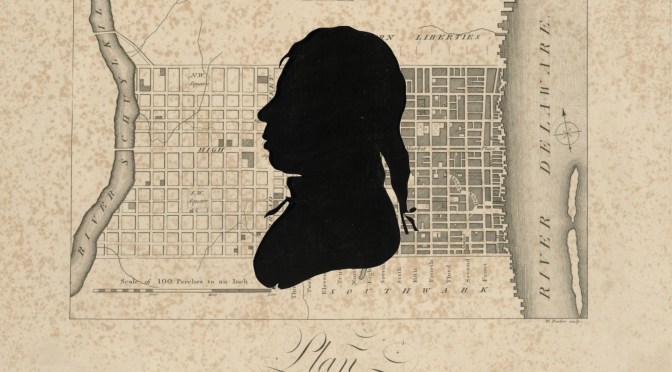
The first Black museum professional and master silhouette artist, Moses Williams was born into slavery in August 1776 in the household of Charles Willson Peale, “Portrait Painter of the Revolution.”
Faye successfully nominated Moses Williams (1776-1830) for a Pennsylvania historical marker. The marker will be dedicated in 2026, the 250th anniversary of his birth.
The walk and talk will start at 3rd and Lombard streets, near the site of the home of Charles Willson Peale, and end at Philosophical Hall, near the proposed location for installation of Moses Williams’ historical marker (.06 mile).
Points of interest along the way include:
Site of the home of entrepreneur and abolitionist James Forten;
Charles Willson Peale’s gravesite;
Church where George Washington and Absalom Jones worshipped;
Site of the home of Francis Johnson, the forefather of jazz;
Site of the first Black Episcopal church in the United States;
Locations of Peale’s Museum; and
Organization founded by Benjamin Franklin that has a collection of Moses Williams’ silhouettes.
The walking tour will be held on select Saturdays in October, from 10 a.m. to 12 p.m.
September was designated Gospel Music Heritage Month in 2008 following the passage of House Joint Resolution 90 sponsored by the late Representative Sheila Jackson Lee. The resolution highlighted gospel music’s deep roots in the African American experience and acknowledged its influence on other genres, including jazz, blues, soul, R&B and rock.
Gospel music is how African Americans got over during the Jim Crow era.
Formed in 1928, the Dixie Hummingbirds were one of the most popular and influential gospel groups. Their best-known recordings include “Thank You For One More Day,” “I’ve Been Born Again,” and “Loves Me Like a Rock” which won the 1973 Grammy Award for Best Soul Gospel Performance.
On Wednesday, September 24, 2025, the Charles L. Blockson Afro-American Collection will host a talk with Dr. Lynn Peterson, author of “Flying with the Birds: Rev. Joe Williams, The Last Original Member of the Iconic Dixie Hummingbirds.”
Also on September 24, I will give a gallery talk about the exhibit that I curated for the Historical Society of Pennsylvania, “Message In Our Music.” I will highlight objects in the exhibit related to gospel music, including Bishop Richard Allen’s collection of hymns and spirituals, a program from the Jubilee Singers’ 1873 concert at the Academy of Music, and a reel-to-reel tape of a live performance by Sister Rosetta Tharpe.
The gallery talk is free and open to the public. To register, go here.
The inaugural North Philadelphia History Festival, a celebration of African American and Puerto Rican heritage through art, music, film, history and culture, will be held July 24-27, 2025.
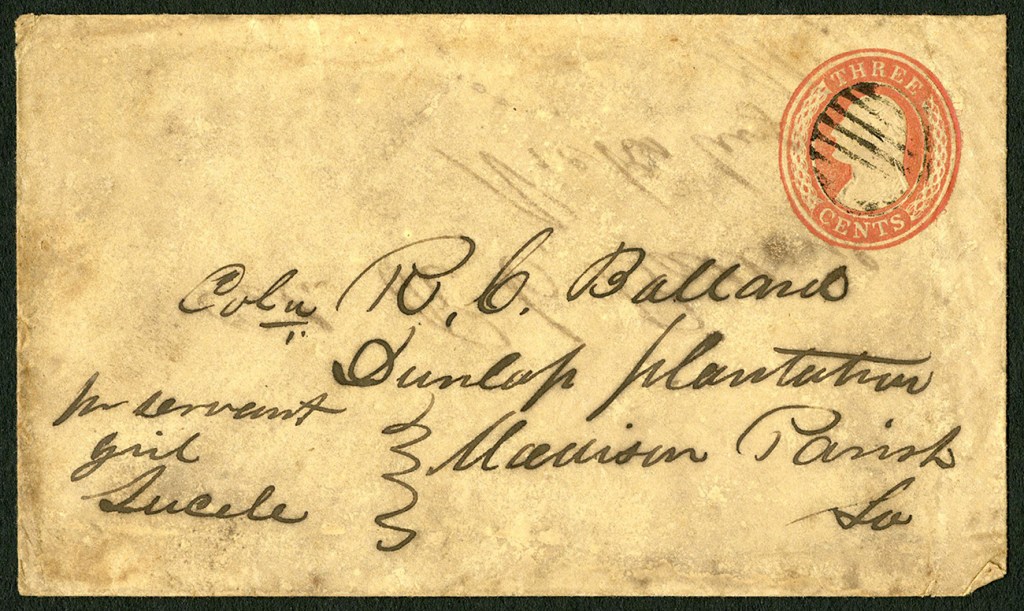
President Trump has floated a plan to privatize the U.S. Postal Service. The United States Post Office Department was established in 1792. Enslaved Africans delivered mail and packages between plantations and towns. Before the introduction of home mail delivery in 1863, enslaved Africans often carried mail to and from the post office.
Mary Fields, aka Stagecoach Mary, was the first African American to carry mail on a Star Route for the Post Office Department.
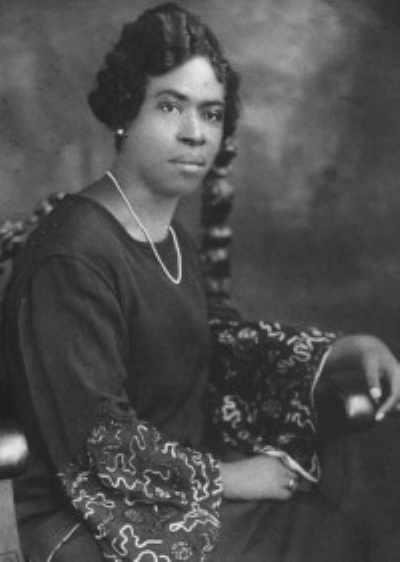
Minnie M. Cox was the first Black female postmaster.
Initially, very few complaints were raised about Mrs. Cox’s appointment as postmaster. As time passed, however, concerns arose from the citizens of Indianola. During this time, Republican politics were being restructured by President Theodore Roosevelt, and the new party stance shifted so that it no longer continued the Reconstruction policy of placing African Americans to political appointments. The white citizens of Indianola called for the elimination of African Americans from leadership positions, and specifically for the removal of Mrs. Cox. In doing so, they hoped to create an opening for a white postmaster.
[…]
These threats concerned postal inspector Charles Fitzgerald, who suggested that “as a bona fide federal officer, Mrs. Cox should be protected, by federal troops if necessary, in the discharge of her duties.” However, President Roosevelt made it clear that there would be no need for federal troops and refused to accept Mrs. Cox’s resignation. Instead, he suspended the Indianola post office on January 2, 1903. Through this suspension, Roosevelt effectively showed Indianola citizens that mail would be rerouted until Mrs. Cox could resume her duties. The atmosphere, however, became so hostile that Mrs. Cox left Indianola for her own safety on January 5, 1903.
In response to the town’s actions against Mrs. Cox, President Roosevelt ordered the Attorney General to prosecute any citizens who had violently threatened Mrs. Cox. Furthermore, the Postmaster General decided to reduce the rank of the Indianola Post Office from a third-class to a fourth-class office on the grounds that the year’s lower postal receipts did not warrant third-class status.
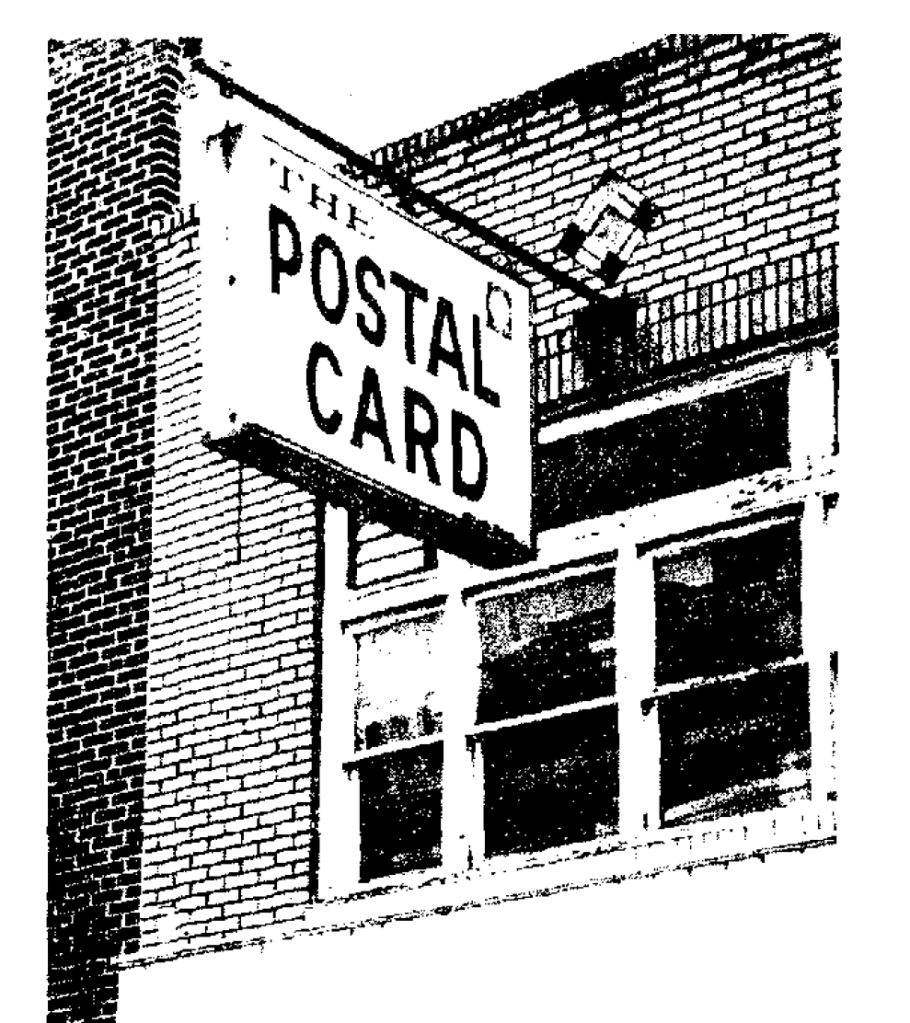
A jazz club in South Philly paid homage to postal workers and the role of the Postal Service in building the Black middle class.
The Postal Service offered opportunities for Black high school graduates, as well as those with undergraduate and post-graduate degrees. In 1940, approximately 14 percent of all middle-class African Americans worked for the Postal Service; 28 percent had at least some college education compared to 4.9 percent of the Black population in general.
Today, African Americans represent approximately 29 percent of the postal workforce.
March is Women in Jazz Month, a time to celebrate the contributions of women to jazz. Truth be told, those contributions are often unheralded and overlooked. But as the National Museum of African American History and Culture notes, women were “present from its [jazz] inception”:
Jazz evolved from ragtime, an American style of syncopated instrumental music. Jazz first materialized in New Orleans, and is often distinguished by African American musical innovation. Multiple styles of the genre exist today from the dance-oriented music of the 1920s big band era to the experimental flair of modern avant-garde jazz. The radically new genre of music, originally seen as socially unacceptable, often called “the Devil’s music,” grew into an expression of high art, and as a result of many pioneering African American women. And while present from its inception, African American women are often omitted from the larger narrative in the history of the genre. Black women musicians fought harsh stereotypes levied against their gender, race, and musical abilities.
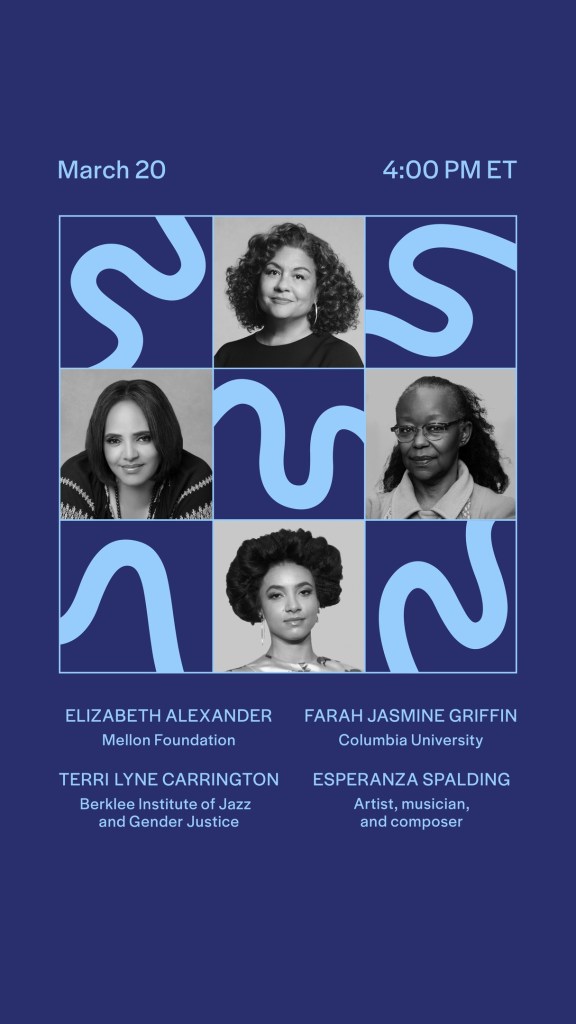
The Mellon Foundation is hosting a virtual discussion about jazz creativity and innovation featuring two women in jazz — Terri Lyne Carrington and esperanza spalding.
The event is free and open to the public. To register for the livestream, visit the Mellon Foundation.
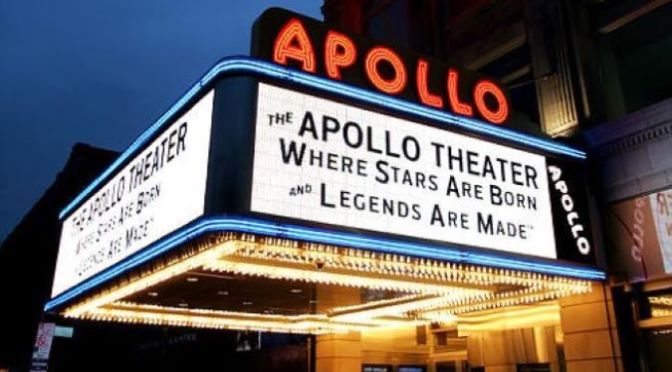
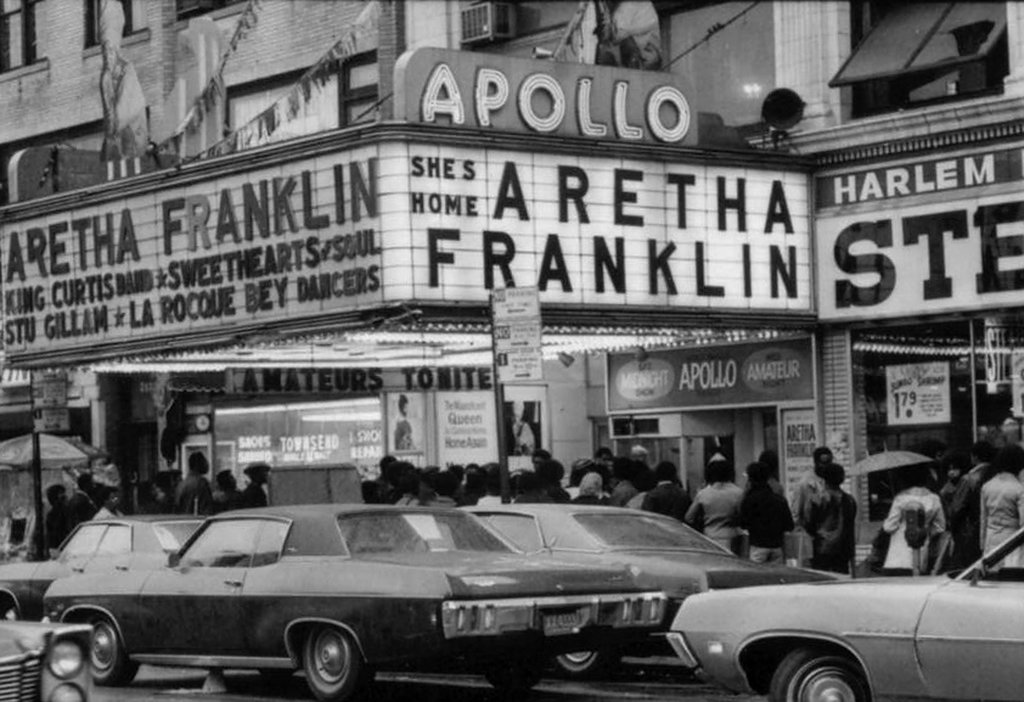
The Apollo Theater turned 90 this year. Opened in 1914 as a burlesque house, by 1934 the theater was transformed into a venue primarily for African American performers and audiences.
A stop on the Chitlin’ Circuit, the now historic landmark was the place “where stars are born and legends are made.” Legends like Billie Holiday and Ella Fitzgerald. Jazz, blues and soul artists who graced The Apollo’s stage include Count Basie, Art Blakey, James Brown, Ruth Brown, Ray Charles, Miles Davis, Duke Ellington, Aretha Franklin, Etta James, Louis Jordan, Otis Redding, Nina Simone, Jimmy Smith, Sarah Vaughan and Dinah Washington.
The Apollo is, again, making history. It is the first organization to receive the Kennedy Center Honor. Michelle Ebanks, President & CEO of The Apollo, said:
We are thrilled to be the first organization honored in the history of the Kennedy Center Awards, emphasizing The Apollo’s impact on the past, present, and future of American culture and the performing arts. From the longest-running talent show in America with Amateur Night at The Apollo, which launched the careers of icons like Ella Fitzgerald and Lauryn Hill, to performances from beloved legends like Smokey Robinson and Lil’ Kim and today’s biggest stars like Drake, The Apollo has always been a home for artists to create and a home for audiences to see incredible music and art from legendary artists.
The 47th Kennedy Center Honors, hosted by Queen Latifah, will be broadcast on CBS on Sunday, December 22, 2024, from 8:30–11 pm ET/PT.
I last attended the Newport Jazz Festival, then known as the JVC Jazz Festival, in 2007. The lineup included Dave Brubeck, Jack DeJohnette, Al Green, B.B. King, Christian McBride, Branford Marsalis, Marcus Miller, Joshua Redman and Susan Tedeschi.
The 2024 Newport Jazz Festival kicks off on Friday, August 2.
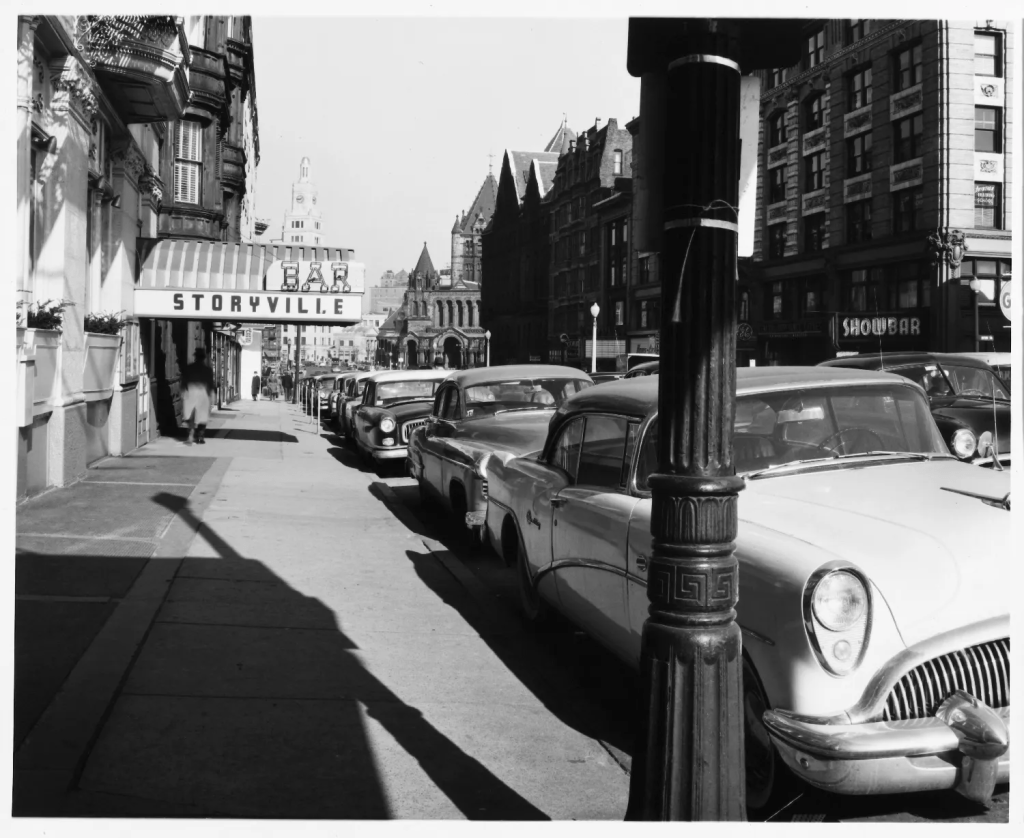
The event is sold out so let’s look at the iconic festival’s origin story, the Storyville jazz club in Boston.
In the Newport Jazz Festival’s monthly newsletter, fittingly titled “Storyville,” John Peabody writes:
To go back to the very beginning of Newport Jazz— and really Newport Folk as well— get on Boston’s Green Line and take it to Copley Plaza. Walk one block south on Exeter past the public library to the Copley Plaza Hotel.
Long before Miles played Newport Jazz and said, “I wasn’t real popular at this time, but that began to change after I played at the Newport Jazz Festival in 1955.”
Before there was Nina playing Porgy to a hushed audience in 1960, or Duke, who declared, “I was born at Newport in 1956.” Well before Dizzy, Monk, Mingus, Aretha, Frank Zappa, and Led Zeppelin in 1969 and before Common, Norah Jones, Christian McBride, The Roots, and Jon Batiste, there was George Wein, standing in front of the Copley Plaza Hotel in 1950 with dreams of a jazz club he’d call Storyville.
This year marks the centennial of the birth of drummer, composer, bandleader and activist Max Roach. His groundbreaking album, “We Insist! Max Roach’s Freedom Now Suite,” was influenced by the Emancipation Proclamation and the emerging Civil Rights Movement.
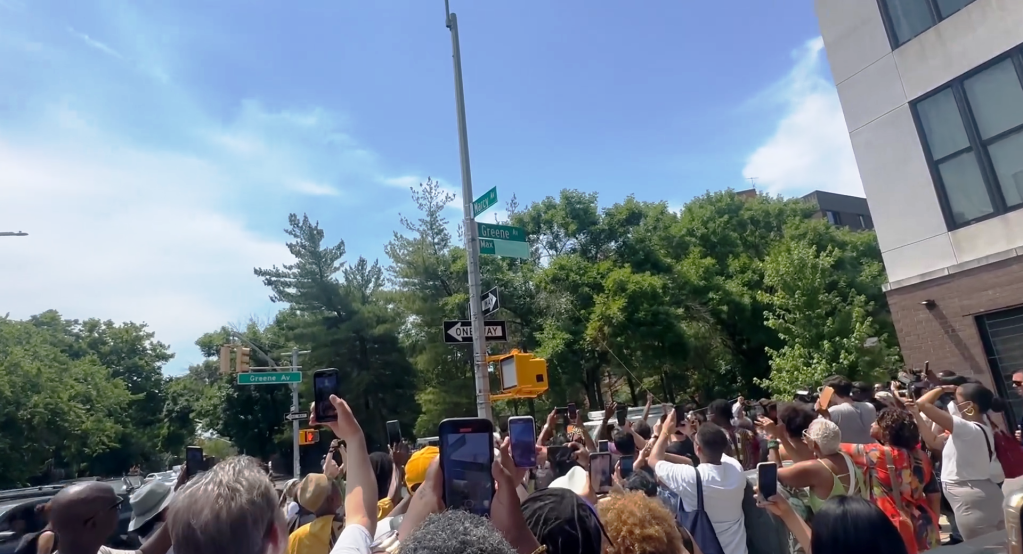
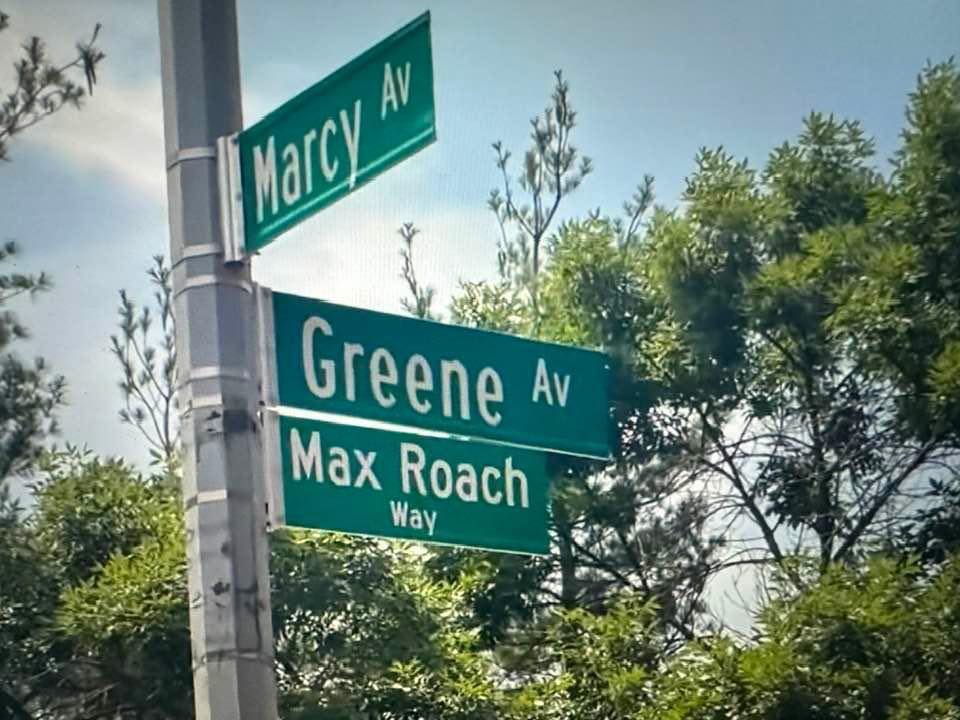
Born in North Carolina, Roach’s family moved to Bedford-Stuyvesant, a neighborhood in Brooklyn, when he was four. He grew up near the corner of Greene and Marcy avenues where the City of New York has co-named a street for the iconic drummer. Fittingly, the “Max Roach Way” co-naming ceremony was held on Juneteenth, Freedom Day.
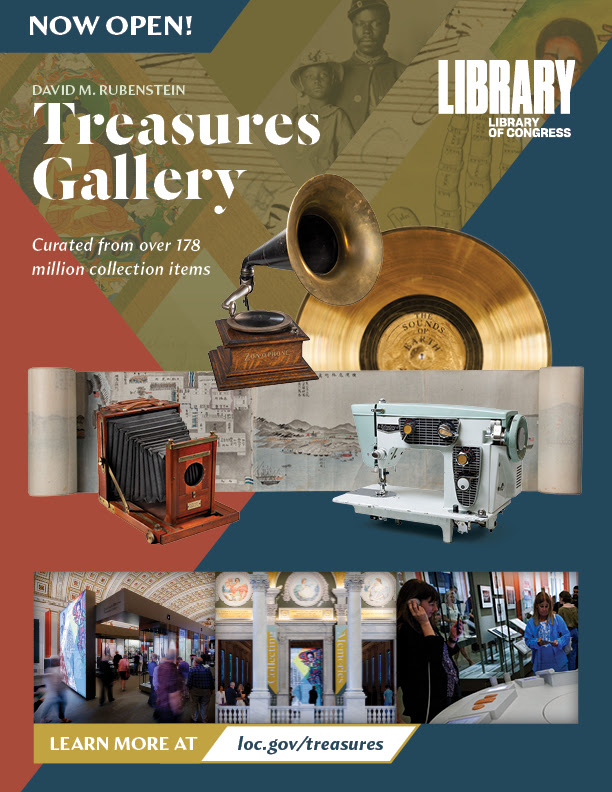
The Library of Congress recently opened the David M. Rubenstein Treasures Gallery.
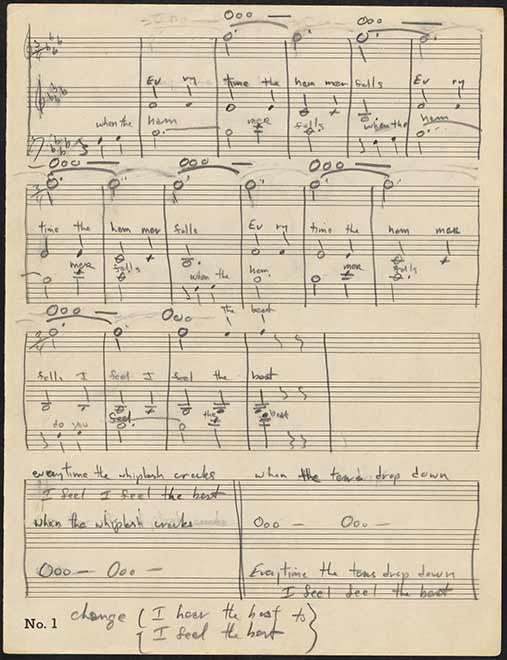
The permanent gallery, Collecting Memories: Treasures from the Library of Congress, features more than 120 items from across the Library’s holdings. The depository for the Max Roach Papers, the manuscript page for “We Insist!” is on display in the Treasures Gallery.










 All That Philly Jazz