I am director of All That Philly Jazz, a place-based public history project that is documenting and contextualizing Philadelphia’s golden age of jazz. The project is at the intersection of art, public policy, and cultural heritage preservation.
Preservation Month is an annual celebration dedicated to promoting the importance of preserving historic places and cultural heritage. This year’s theme is “The Power of Place.”
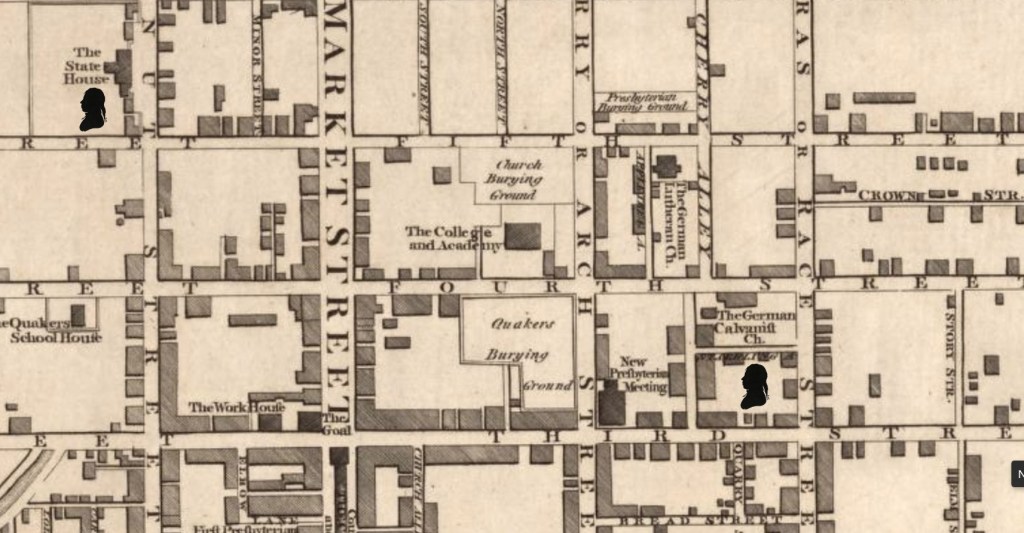
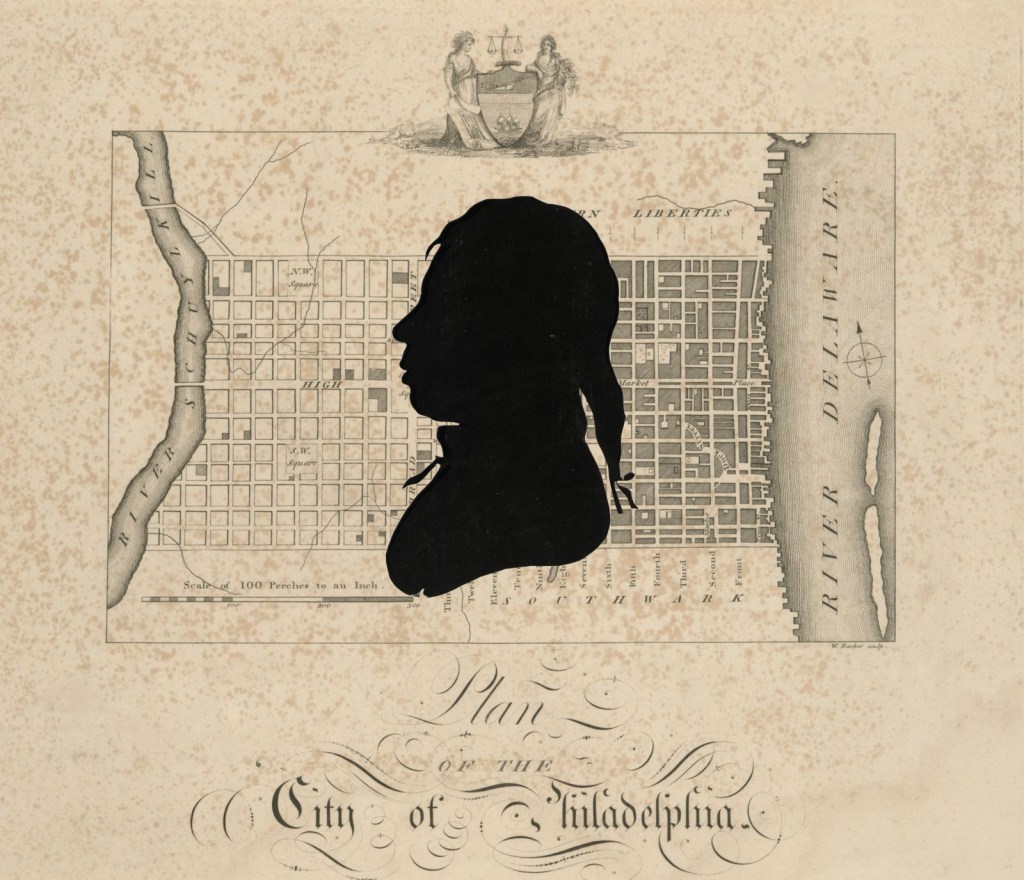
I kicked off the celebration by walking the streets of Old City, the same streets that master silhouette artist Moses Williams walked.
Moses died on December 18, 1830. If he were to come back from the dead, he would recognize many of the places in his old neighborhood, including:
Independence Hall
Philosophical Hall
Christ Church
Christ Church Burial Ground
Free Quaker Meeting House
Arch Street Meeting House
Loxley Court
Elfreth’s Alley
St. George’s Methodist Church
Moses lived at 10 Sterling Alley (now Orianna Street). Once paved with cobblestones, the granite blocks of Orianna Street were added to the Philadelphia Register of Historic Places’ Historic Street Paving Thematic District in 1998.
On my upcoming walking tour, “Moses Williams’ Neighborhood,” I will share undertold stories and breathe new life into Old City. The tour will begin at the State House (Independence Hall) and end at Sterling Alley.
The walk and talk will be held on Saturdays in October and November 2025. To be added to the mailing list for updates, send your name and email address to phillyjazzapp@gmail.com.
While still a British colony, South Carolina passed the first law that denied enslaved Africans the right to learn. The Negro Act of 1740 outlawed teaching enslaved people to read. President Trump threatens to withhold federal funding from schools that teach uncomfortable truths about American history.
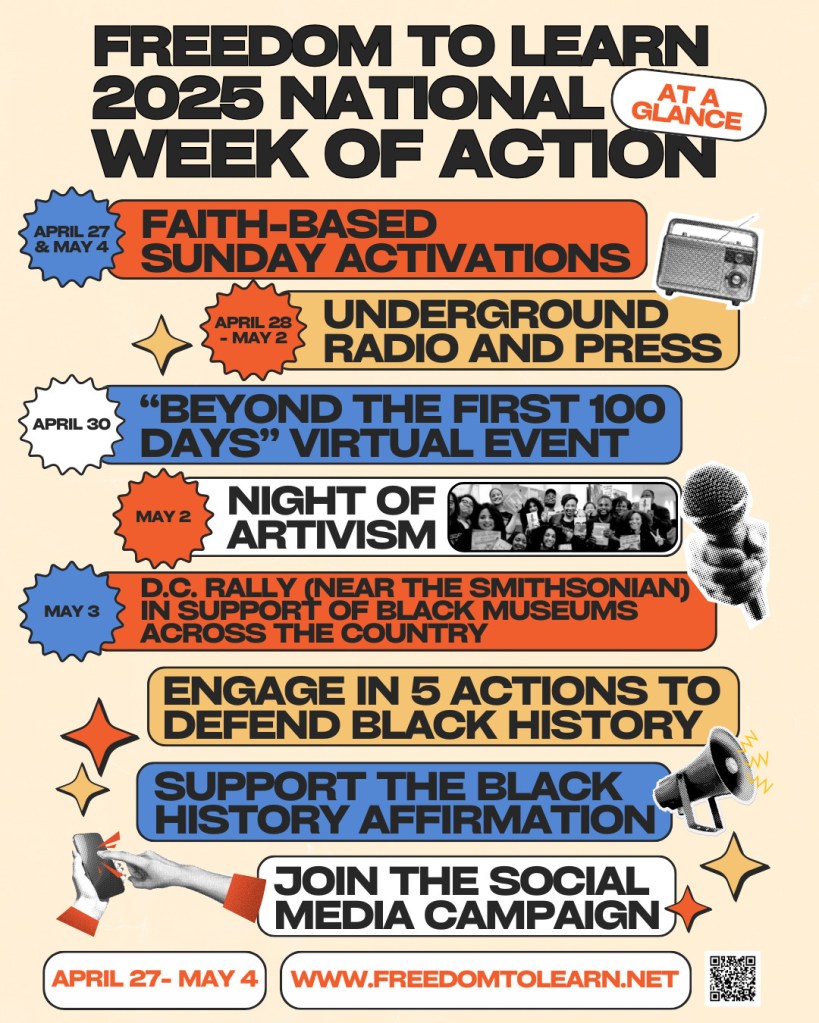
Across the country, churches, civil rights organizations, activists and concerned citizens are speaking up and resisting efforts to erase Black history. We have come too far to go back.
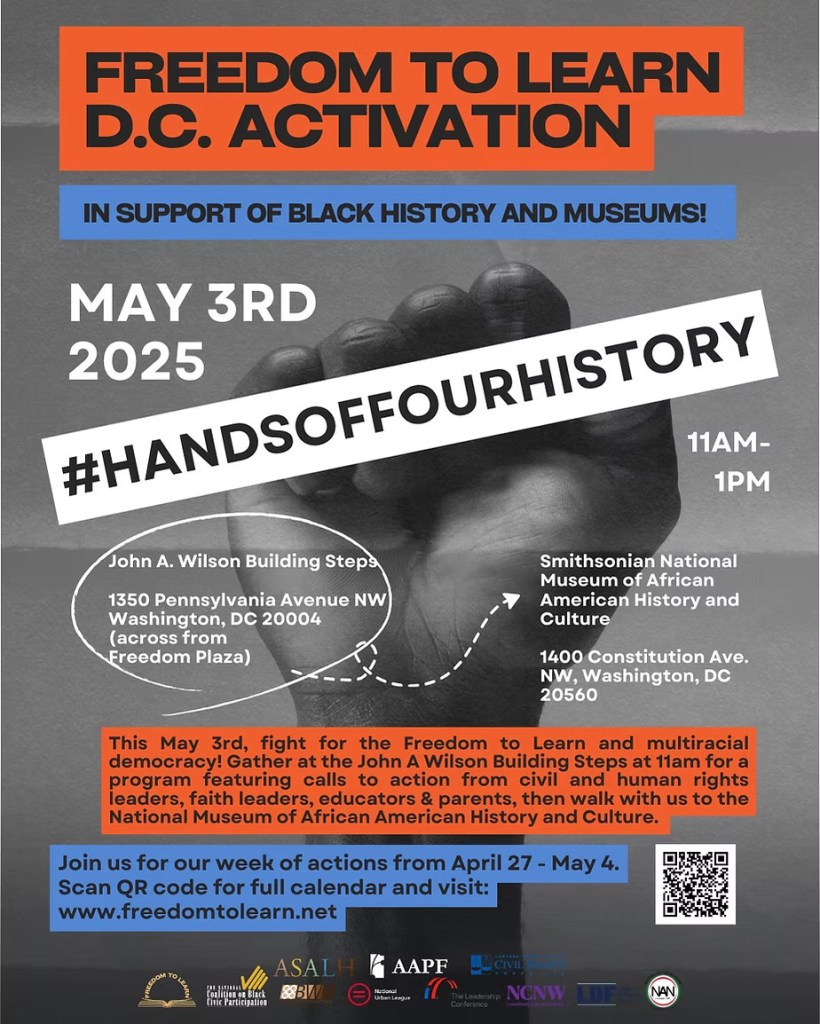
The Freedom to Learn Network, convened by the African American Policy Forum, has organized the National Week of Action to resist Trump’s attempt to erase Black history, and defend our freedom and right to learn.
The activations include a #HandsOffOurHistory gathering in DC on Saturday, May 3, 2025.
With little fanfare, President Trump has tapped Hillsdale College to produce a video series, “The Story of America.” A member of the Project 2025 network, the conservative Christian college’s demographically monochromatic faculty and student body does not look like America.
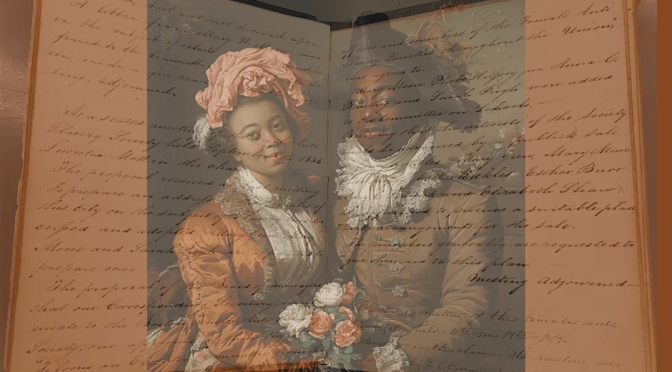
Moses Williams was enslaved by Charles Willson Peale whose portrait of George Washington is prominently displayed in Trump’s tricked out Oval Office. The title of my presentation is “Mapping Moses Williams’ Philadelphia.”
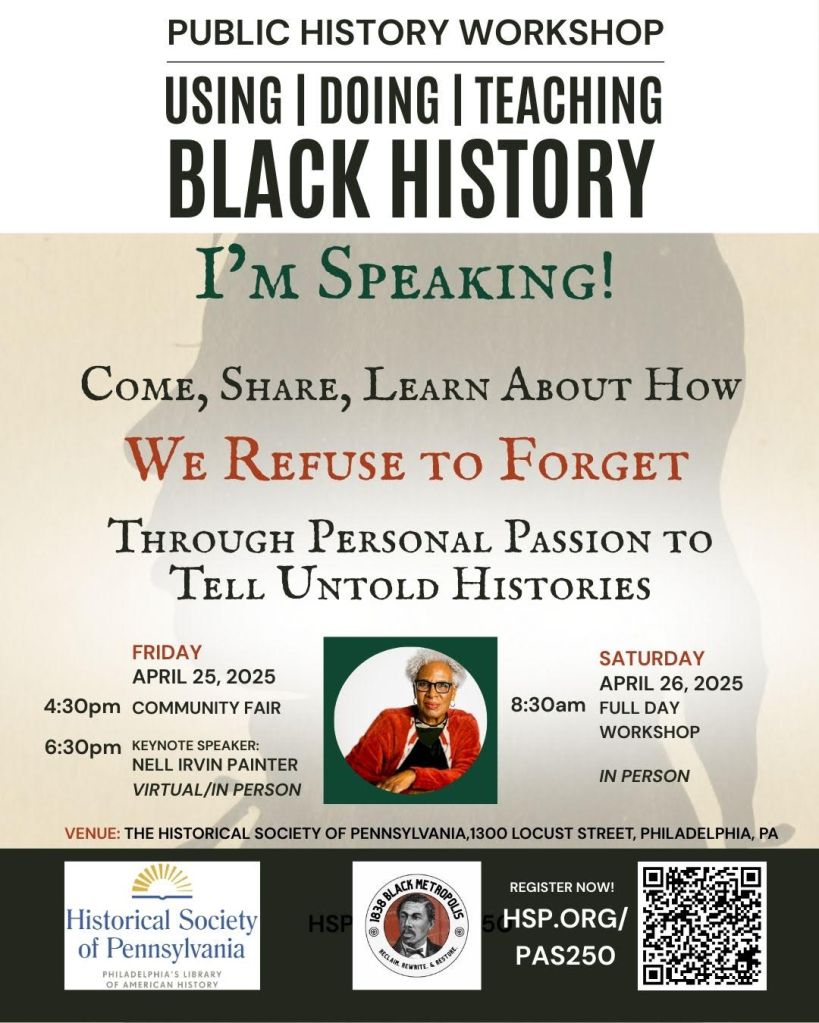
On Friday, April 25, historian and artist Nell Irvin Painter will give a keynote address, “Arrived, New Names.” Painter “will set the tone for exploring how creative projects can share complicated and compelling histories.”
On Saturday, April 25, public historians, educators, artists, preservationists and community members will share strategies on how they are breathing life into the archives to tell untold or undertold stories, and stories of belonging.
The event is open to the public. To register, go here.
The first National Park Week was observed in 1991 to commemorate the 75th anniversary of the National Park Service. National Park Week has been an annual celebration since 1994. The 2025 celebration will be held April 19 to April 26.
This year’s theme of the National Park Playlist “celebrates musical connections to national parks and the American story.”
The Hotel Lorraine, where Dr. Martin Luther King Jr. was assassinated, is included in the NPS African American Civil Rights Network. So my playlist includes Otis Spann’s “Hotel Lorraine.”
Rev. Richard Allen, founder of Mother Bethel AME Church, produced the first compilation of hymns for an African American congregation, “A Collection of Hymns and Spiritual Songs,” published in 1801. The hymns include “Am I a Soldier of the Cross?” I will play a 20th century version of the hymn.
Lee Morgan’s homegoing ceremony was held at the Church of the Advocate. Needless to say, “The Sidewinder” will be on repeat.
John Coltrane composed “Giant Steps” while living in the Strawberry Mansion rowhome that is now a National Historic Landmark.
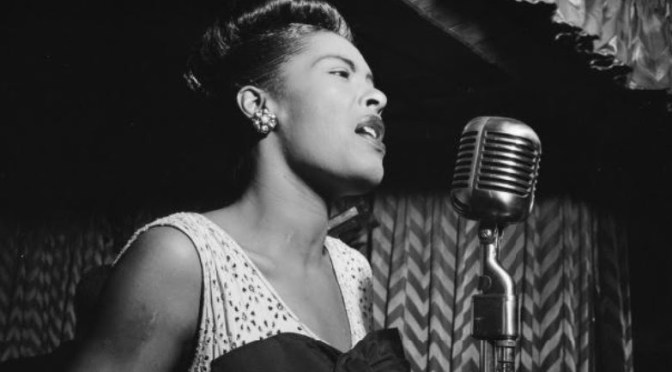
Born Eleanora Fagan on April 7, 1915 at Philadelphia General Hospital, Billie Holiday has long been the “Lady” in my life. At one point, I started my day by putting “Good Morning Heartache” on repeat.
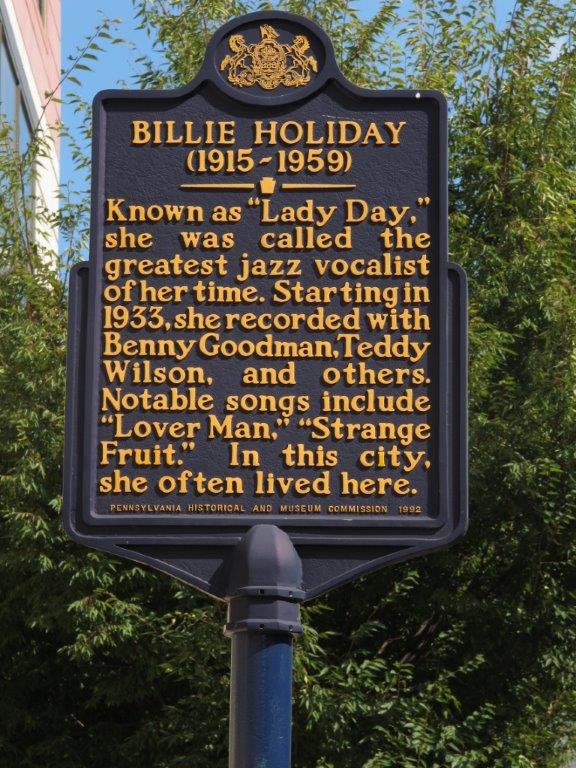
Decades later while walking along Lombard Street, I came across Billie’s historical marker. The marker raised more questions than it answered. My curiosity about Lady Day’s time in Philadelphia led me to go beyond the marker and All That Philly Jazz was launched.
A new 13-part series narrated by jazz broadcaster Rhonda Hamilton, No Regrets: The Music & Spirit of Billie Holiday, explores Lady Day’s journey from Baltimore to the world stage.
The series features interviews with musicians and scholars, including Dee Dee Bridgewater, Dianne Reeves, Casandra Wilson, Angela Davis, Farah Jasmine Griffin and Robert O’Meally.
The audio series kicked off this weekend and runs for the next 12 weeks. No Regrets: The Music & Spirit of Billie Holiday airs Saturdays (7am) and Sundays (7pm) on WBGO 88.3 FM, WBGO.org and WBGO mobile app.
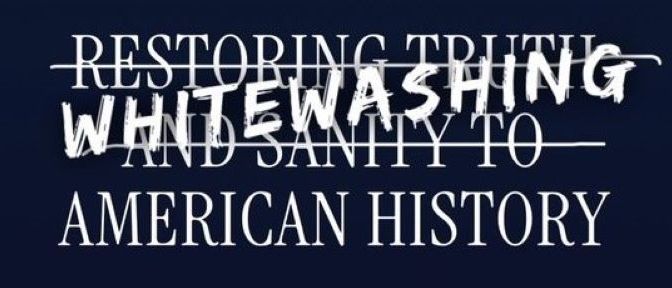
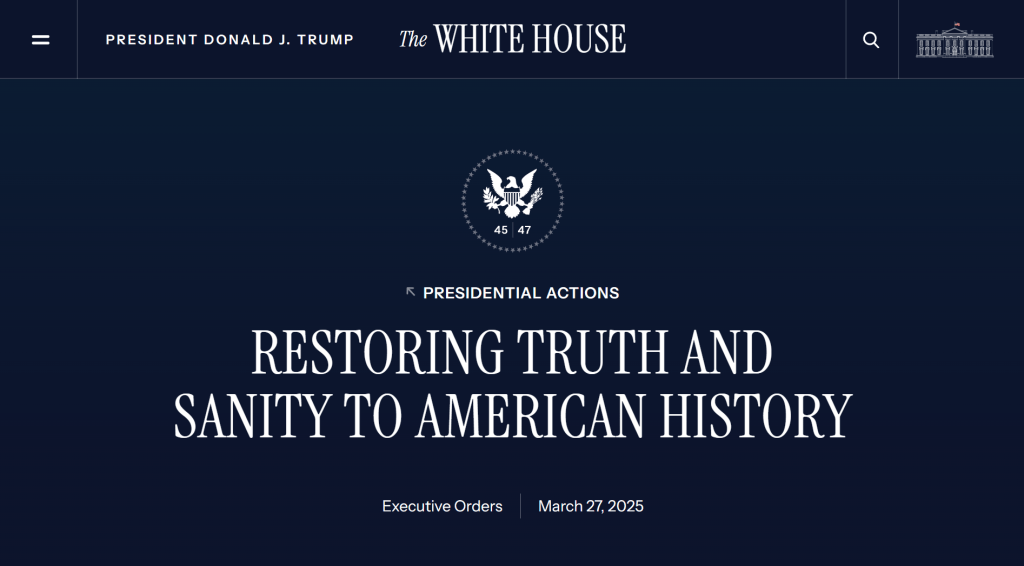
President Trump’s latest diktat claims there is “a concerted and widespread effort to rewrite our Nation’s history, replacing objective facts with a distorted narrative driven by ideology rather than truth.”
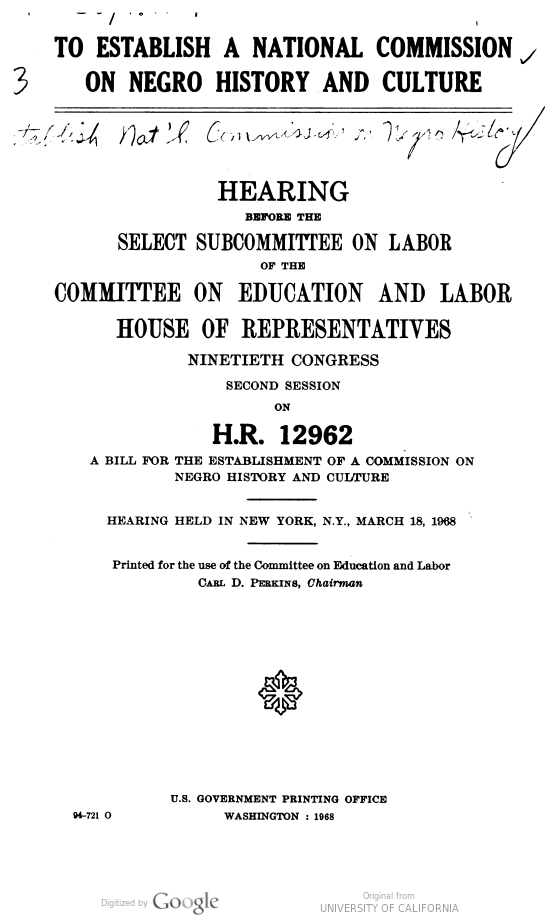
The National Museum of African American History and Culture is in the crosshairs. First proposed by Black Civil War veterans, NMAAHC was more than 100 years in the making. The Smithsonian museum traveled a long road to hard truth.
Trump’s “corrosive ideology” is the hard truth about American history.
[Black] history … contains the truth about America. It is going to be hard to teach it.
[…]
I am the flesh of your flesh and bone of your bones; I have been here as long as you have been here – longer – I paid for it as much as you have. It is my country, too. Do recognize that that is the whole question. My history and culture has to be taught. It is yours.
[…]
Everyone has basic emotions of hate, fear, and love, and I think the whites in this country have used the machinery of propaganda very skillfully. You find blacks who want to know something about their history and you find whites who don’t understand or who are fearful. They will publicize this sort of thing as a hate gathering and a hate meeting, when actually it could possibly be a historical meeting that whites and blacks could learn from.
From the forced removal of Indigenous People to the enslavement of Africans, “race-centered ideology” is woven into the fabric of the nation.
Signer of the Declaration of Independence and second President of the United States John Adams said:
Facts are stubborn things; and whatever may be our wishes, our inclinations, or the dictates of our passion, they cannot alter the state of facts and evidence.
Slaveholder Thomas Jefferson drafted the Declaration of Independence in Philadelphia. It is an objective fact that Jefferson was accompanied by his enslaved personal servant, Robert Hemmings.
It is an objective fact that the nation’s founding principles did not include Black people. It is a national shame that “our shared past” includes ratification of the U.S. Constitution that counted the enslaved as three-fifths of a person.
It is an objective fact that George Washington hounded self-emancipated Ona Judge until the day he died.
It is an objective fact that Thomas Jefferson fathered children with his enslaved concubine Sally Hemings.
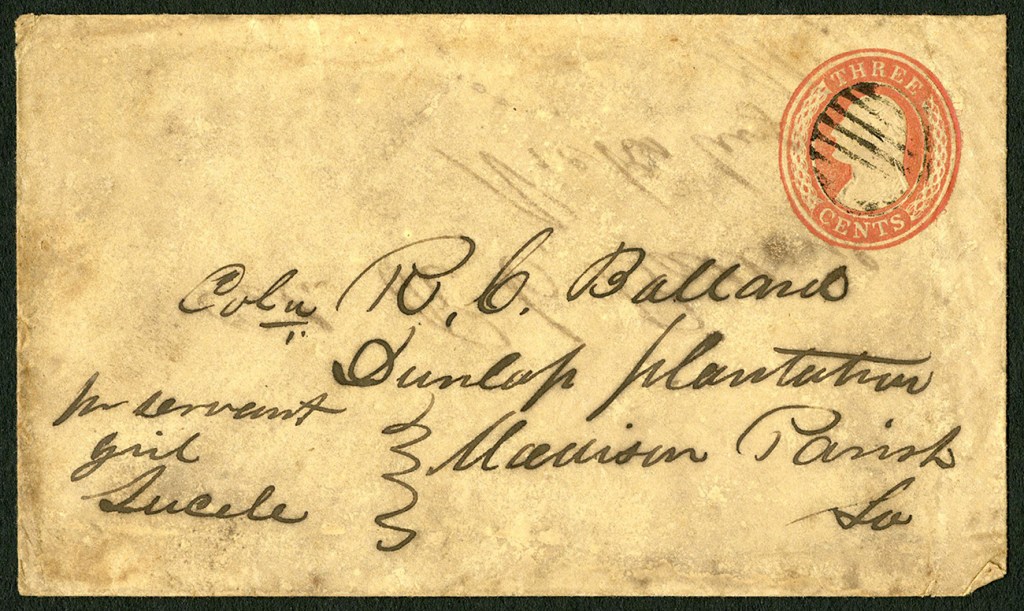
President Trump has floated a plan to privatize the U.S. Postal Service. The United States Post Office Department was established in 1792. Enslaved Africans delivered mail and packages between plantations and towns. Before the introduction of home mail delivery in 1863, enslaved Africans often carried mail to and from the post office.
Mary Fields, aka Stagecoach Mary, was the first African American to carry mail on a Star Route for the Post Office Department.
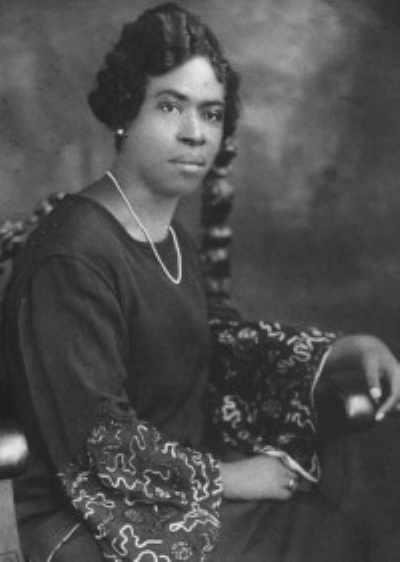
Minnie M. Cox was the first Black female postmaster.
Initially, very few complaints were raised about Mrs. Cox’s appointment as postmaster. As time passed, however, concerns arose from the citizens of Indianola. During this time, Republican politics were being restructured by President Theodore Roosevelt, and the new party stance shifted so that it no longer continued the Reconstruction policy of placing African Americans to political appointments. The white citizens of Indianola called for the elimination of African Americans from leadership positions, and specifically for the removal of Mrs. Cox. In doing so, they hoped to create an opening for a white postmaster.
[…]
These threats concerned postal inspector Charles Fitzgerald, who suggested that “as a bona fide federal officer, Mrs. Cox should be protected, by federal troops if necessary, in the discharge of her duties.” However, President Roosevelt made it clear that there would be no need for federal troops and refused to accept Mrs. Cox’s resignation. Instead, he suspended the Indianola post office on January 2, 1903. Through this suspension, Roosevelt effectively showed Indianola citizens that mail would be rerouted until Mrs. Cox could resume her duties. The atmosphere, however, became so hostile that Mrs. Cox left Indianola for her own safety on January 5, 1903.
In response to the town’s actions against Mrs. Cox, President Roosevelt ordered the Attorney General to prosecute any citizens who had violently threatened Mrs. Cox. Furthermore, the Postmaster General decided to reduce the rank of the Indianola Post Office from a third-class to a fourth-class office on the grounds that the year’s lower postal receipts did not warrant third-class status.
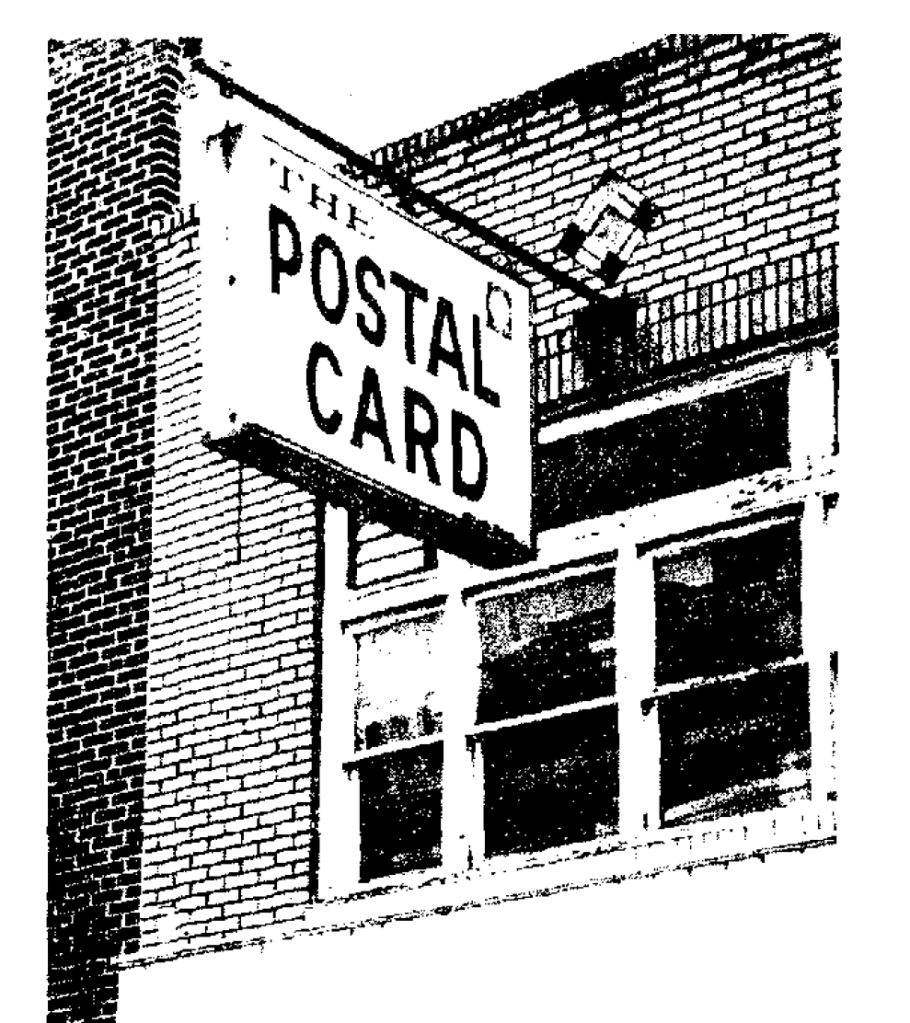
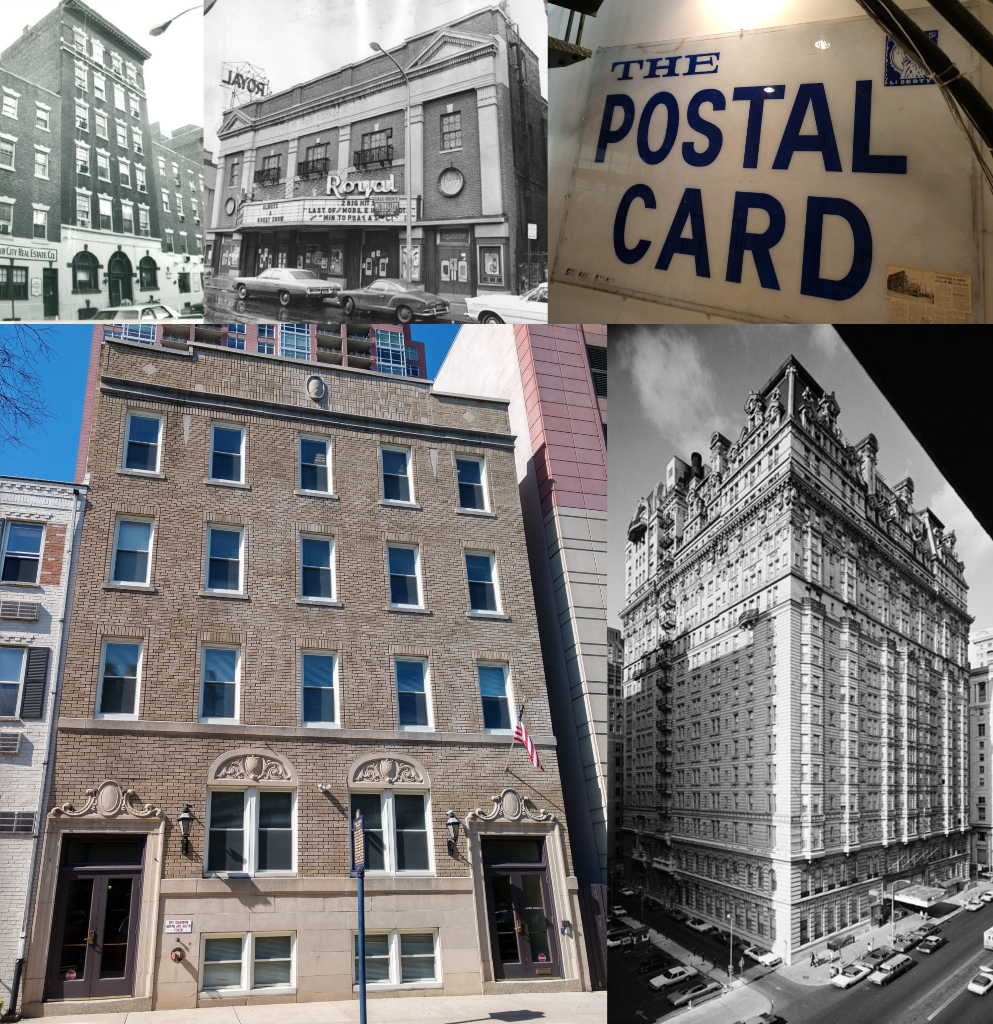
A jazz club in South Philly paid homage to postal workers and the role of the Postal Service in building the Black middle class.
The Postal Service offered opportunities for Black high school graduates, as well as those with undergraduate and post-graduate degrees. In 1940, approximately 14 percent of all middle-class African Americans worked for the Postal Service; 28 percent had at least some college education compared to 4.9 percent of the Black population in general.
Today, African Americans represent approximately 29 percent of the postal workforce.
March is Women in Jazz Month, a time to celebrate the contributions of women to jazz. Truth be told, those contributions are often unheralded and overlooked. But as the National Museum of African American History and Culture notes, women were “present from its [jazz] inception”:
Jazz evolved from ragtime, an American style of syncopated instrumental music. Jazz first materialized in New Orleans, and is often distinguished by African American musical innovation. Multiple styles of the genre exist today from the dance-oriented music of the 1920s big band era to the experimental flair of modern avant-garde jazz. The radically new genre of music, originally seen as socially unacceptable, often called “the Devil’s music,” grew into an expression of high art, and as a result of many pioneering African American women. And while present from its inception, African American women are often omitted from the larger narrative in the history of the genre. Black women musicians fought harsh stereotypes levied against their gender, race, and musical abilities.
The Mellon Foundation is hosting a virtual discussion about jazz creativity and innovation featuring two women in jazz — Terri Lyne Carrington and esperanza spalding.
The event is free and open to the public. To register for the livestream, visit the Mellon Foundation.
Fannie Lou Hamer was a tireless and fearless civil rights leader. She was brutally beaten while imprisoned at a county jail in Winona, Mississippi. Still, she persisted in speaking truth to power.
Locked out of the all-white Mississippi Democratic Party, Mrs. Hamer co-founded the Mississippi Freedom Democratic Party. In August 1964, MFDP delegates traveled to Atlantic City, site of the Democratic National Convention. She testified before the DNC Credentials Committee.
Mrs. Hamer asked: “Is this America, the land of the free and the home of the brave?”
Sixty years later, Black women did their part to save the country from the chaos and trampling of democratic norms that they know are the hallmark of Donald Trump’s America.
Mrs. Hamer famously said, “I am sick and tired of being sick and tired.” Black women are sick and tired of showing up for others. So on Harriet Tubman Day, they are reclaiming self-care.
General Tubman knew the importance of self-care. As a child, she was viciously struck with a heavy weight which caused a traumatic head injury. While leading her people to freedom, she would sometimes stop and sleep. Though plagued by “sleeping spells,” General Tubman persisted:
I was the conductor of the Underground Railroad for eight years, and I can say what most conductors can’t say; I never ran my train off the track and I never lost a passenger.
With the Trump Administration off the rails, Black women are “sleeping in” on March 10, 2025, the National Day of Rest for Black Women.



















 All That Philly Jazz