Category Archives: Hotel Carlyle

Arctic Records

Founded by WDAS program director and DJ Jimmy Bishop in 1964, Arctic Records was a building block for “The Sound of Philadelphia.”

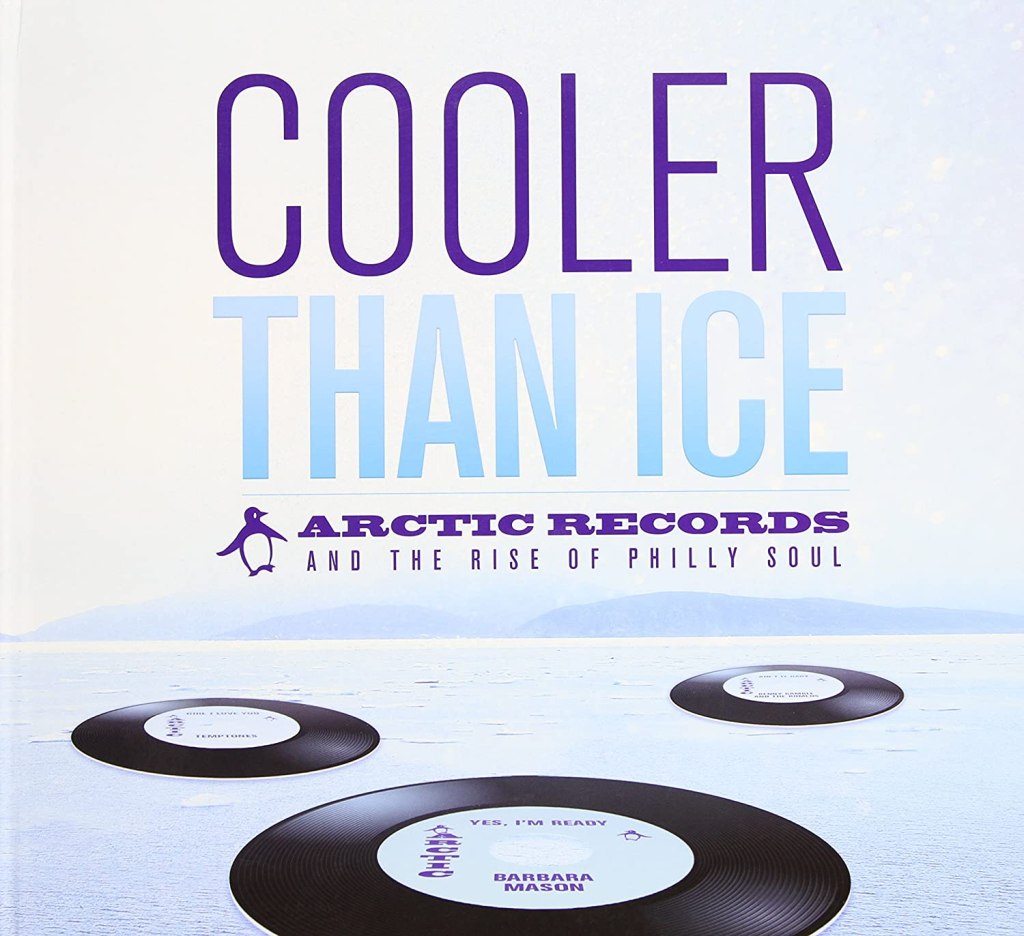
Future cofounder of Philadelphia International Records Kenny Gamble was a songwriter and producer for the record label, and a recording artist with the group, Kenny Gamble and the Floaters.

In a 2013 interview, Rock and Roll Hall of Famer Gamble told WHYY:

That was like my training ground. It was like going to school. Experimenting. Jimmy Bishop used to let me work in the studio, work on the board.

Daryl Hall of Hall & Oates got his start at Arctic with the blue-eyed soul group the Temptones.

A teenager from North Philly, Barbara Mason, wrote and recorded Arctic’s best-selling record (Kenny Gamble was one of the backup singers).

Arctic released its last record in 1971. Around the same time, Jimmy Bishop disappeared, and to this day nobody knows whether he’s dead or alive.

The site of Arctic Records is a stop on my walking tour, “North Broad Street: Then and Now.” We will take a stroll down North Broad on Saturday mornings in October. To be added to the mailing list, send your contact info to greenbookphl@gmail.com.

Before 1964, Jazz Musicians Traveled While Black

Philadelphia Jazz Appreciation Month is in full swing. In a recent interview, I noted that jazz musicians performed in nightclubs where they could not sit and hotels where they could not stay. The jazz legends whose music paved the way for the Civil Rights movement were subjected to racial discrimination as they traveled while black.

In 1936, Victor H. Green, a postal worker and civil rights activist, published the first edition of The Negro Motorist Green Book, a travel guide to navigate Jim Crow laws in the South and de facto segregation in the North.

The “Green Book,” as it was called, lists hotels, tourist homes, restaurants, nightclubs, beauty parlors, barber shops and other services. Philadelphia hotels in the 1949 edition include the Attucks, Chesterfield and Douglass.

Douglass Hotel Bus Ad - Cropped

The list of clubs includes Emerson’s Tavern, the setting for the Tony Award-winning play, “Lady Day at Emerson’s Bar and Grill,” Café Society and Watts’ Zanzibar.

Cafe Society - Watts' Zanzibar

In the wake of the landmark 1964 Civil Rights Act which outlawed racial discrimination, the last edition of the “Green Book” was published in 1966-67.

UPDATE:  A documentary, “The Green Book Chronicles,” co-produced by Calvin Alexander Ramsey and Becky Wible Searles, is in production.

In an interview with NBCBLK, Ramsey said:

There was no Internet back then to get the Green Book, this was put together with love from black people for each other to keep each other safe. The Green Book to me was a love letter of sorts. There was a time when we loved each other so much that we would open our homes just to keep another black person safe. You could be a superstar, a singer, an artist and in those days still have no place to stay, eat or bathe while on the road, so this book was about the love and ability to preserve our dignity.

Show Ramsey and his team some love and make a donation to help them complete “The Green Book Chronicles.”

Ebony Lounge

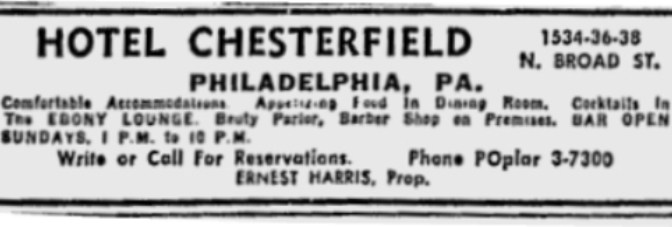
The Ebony Lounge was located in the lower level of the Chesterfield Hotel which was owned by Ernest and Evelyn Harris.

Alonzo Kittrels
of the Philadelphia Tribune reminisced:

[T]he Chesterfield Hotel, a landmark that deserves its own back-in-the-day column, given its significance in the lives of Black people. It was particularly important in the lives of the performers at the nearby Uptown Theater. This hotel was where many performers stayed while appearing at this venue.

Ebony Lounge - SCOOP USA

In a March 28, 1960 conversation with celebrated jazz journalist Ralph J. Gleason, bassist Percy Heath reminisced about his start as a professional musician:

But I remember when Red Garland did come to Philadelphia he was singing and playing “Billie’s Bounce” and “Now’s the Time” and we hadn’t heard those things, and he was sort of an authority on Charlie Parker tunes at that time. But there were an awful lot of promising musicians around Philadelphia. I really started with a trio. At that time we used to play in little cocktail bars and there was hotel there, the Philadelphia Chesterfield Hotel, they had a lounge. We played in there quite a bit and then we’d go around to Wilmington, Delaware, and play some club down there.

Conversations in Jazz: The Ralph J. Gleason Interviews is available on Amazon.com.