I am director of All That Philly Jazz, a place-based public history project that is documenting and contextualizing Philadelphia’s golden age of jazz. The project is at the intersection of art, public policy, and cultural heritage preservation.
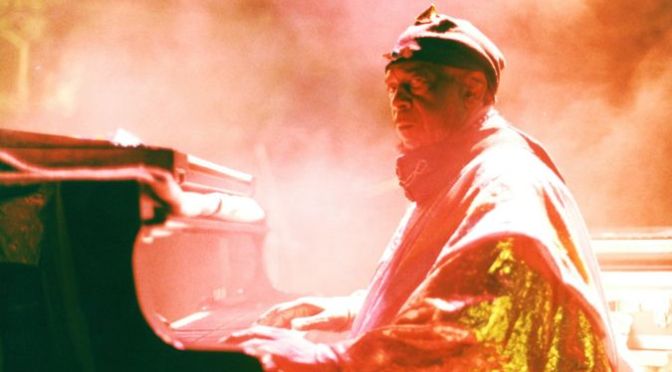
Sun Ra, born Herman Poole Blount (1914-1993), grew up in the Jim Crow South and later transformed himself into a celestial being from Saturn. He created cultural aesthetics that imagined liberation from racism and white supremacist shackles. Sun Ra fused swing, bebop, free jazz, electric keyboards and synthesizers to create his sui generis avant-garde sound.
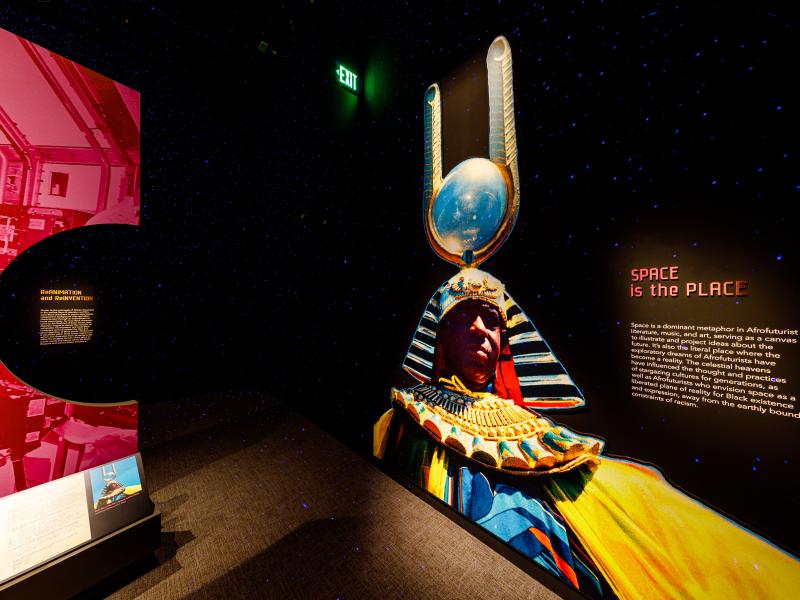
Sun Ra’s embrace of Egyptian iconography, space-age imagery and alternative historiography laid the foundation for aliberatory technology, a future of possibilities in a society that said there weren’t any. The “Godfather of Afrofuturism” reimagined Black identity across space and time. His influence is recognized in venerable cultural institutions, including the Metropolitan Museum of Art and the National Museum of African American History and Culture.
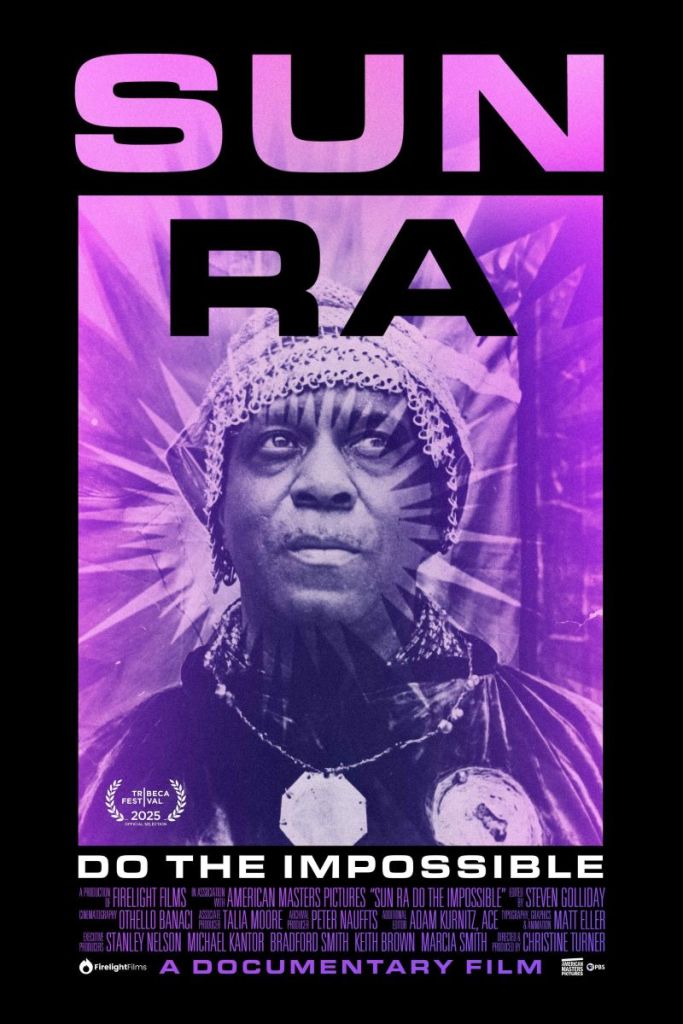
This week, PBS American Masters will premiere Sun Ra: Do the Impossible, a feature-length documentary that provides a definitive look at the life and cosmic philosophy of the jazz visionary.
The documentary explores Sun Ra’s early years in Birmingham, Alabama, his formative time in Chicago where he established the communal lifestyle of the Arkestra, and his later years in Philadelphia.
Sun Ra: Do the Impossible premieres Friday, February 20 at 9 p.m. ET on PBS (check local listings).
For the first time in decades, there are no Black History Month events at the Kennedy Center. The Washington Post reported:
As the calendar turns to February, many museums and cultural centers across the country are readying their programming for Black History Month. At the John F. Kennedy Center for the Performing Arts, however, the online calendar lists no scheduled events to honor Black History Month, following artist relocations and cancellations.
In the past, the national center for the arts has offered an array of programming keyed to the month-long celebration of Black history, including an annual concert and tributes to African American icons, such as D.C. native Duke Ellington. But the choirs that long performed those concerts moved their performances to other venues after President Donald Trump took over the Kennedy Center by purging its board of trustees last year, and it appears no other thematic programming was added in those events’ stead.
In a social media post on the first day of Black History Month, Trump, chairman of the Kennedy Center, proposed closing the storied venue for “Construction, Revitalization, and Complete Rebuilding” for two years, starting on July 4, 2026.
I have determined that The Trump Kennedy Center, if temporarily closed for Construction, Revitalization, and Complete Rebuilding, can be, without question, the finest Performing Arts Facility of its kind, anywhere in the World,” Trump wrote in a post on Truth Social. “In other words, if we don’t close, the quality of Construction will not be nearly as good, and the time to completion, because of interruptions with Audiences from the many Events using the Facility, will be much longer. The temporary closure will produce a much faster and higher quality result!
Chairman Trump said the proposal is subject to the approval of his board of trustees sycophants. Closing the Kennedy Center is a transparent way to save further embarrassment from cancellations, plummeting ticket sales, small pool of potential Kennedy Center honorees, and even lower viewership for the Kennedy Center Honors CBS broadcast.
Under Trump’s chairmanship, ain’t nothing going on at the Kennedy Center but chaos and the rent.
Dr. Carter G. Woodson launched Negro History Week in 1926 to honor African American contributions that were “overlooked, ignored, and even suppressed by the writers of history textbooks and the teachers who use them.” February was chosen because Black Americans already celebrated the birthdays of the Great Emancipator Abraham Lincoln (February 12) and the Great Orator Frederick Douglass (February 14).
One hundred years ago, to help highlight these achievements, Dr. Carter G. Woodson founded the Association for the Study of Afro-American Life and History. We are grateful to him today for his initiative, and we are richer for the work of his organization.
Freedom and the recognition of individual rights are what our Revolution was all about. They were ideals that inspired our fight for Independence: ideals that we have been striving to live up to ever since. Yet it took many years before these ideals became a reality for black citizens.
Fifty years later, President Donald Trump is sending a different message. Trump aggregates unto himself the authority to overlook, ignore and suppress Black history, and whitewash “what our Revolution was all about.”
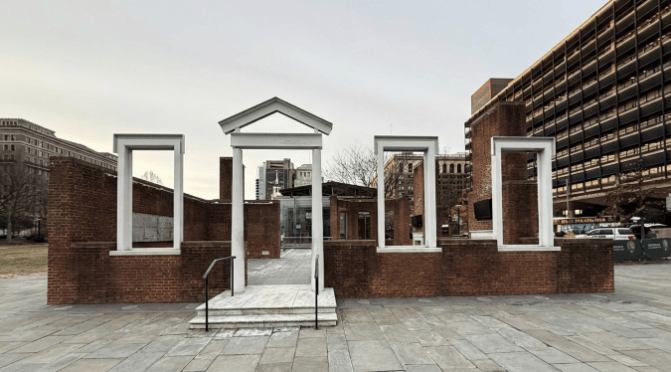
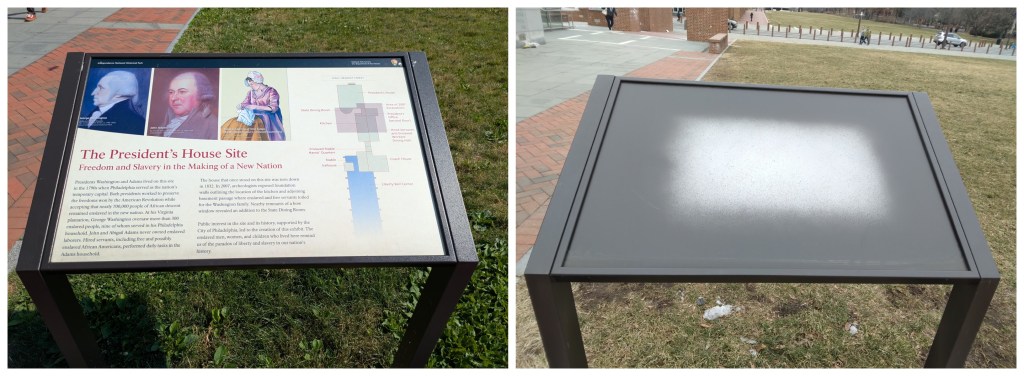
Without notice to the City of Philadelphia, the National Park Service dismantled the President’s House Site which opened on December 15, 2010 after years of cooperation between the Park Service, the City and the public.
On the eve of Black History Month, a hearing was held (here and here) in federal district court on the City’s complaint for a preliminary injunction to stop the suppression of the history of slavery. The City wants Judge Cynthia M. Rufe to order the Defendants to restore the President’s House Site to its status as of January 21, 2026.
The Defendants claim “the National Park Service is the sole decision maker as to what is exhibited on its property.” They claim that Trump has absolute authority to order the signs removed. The “administration issued the executive order that resulted in this action… The government gets to choose the message it wants to convey.”
Judge Rufe said “that’s a dangerous statement. That’s horrifying to listen to. [History] changes on the whim of someone in charge? Sorry. That’s not what we elected anybody for.”
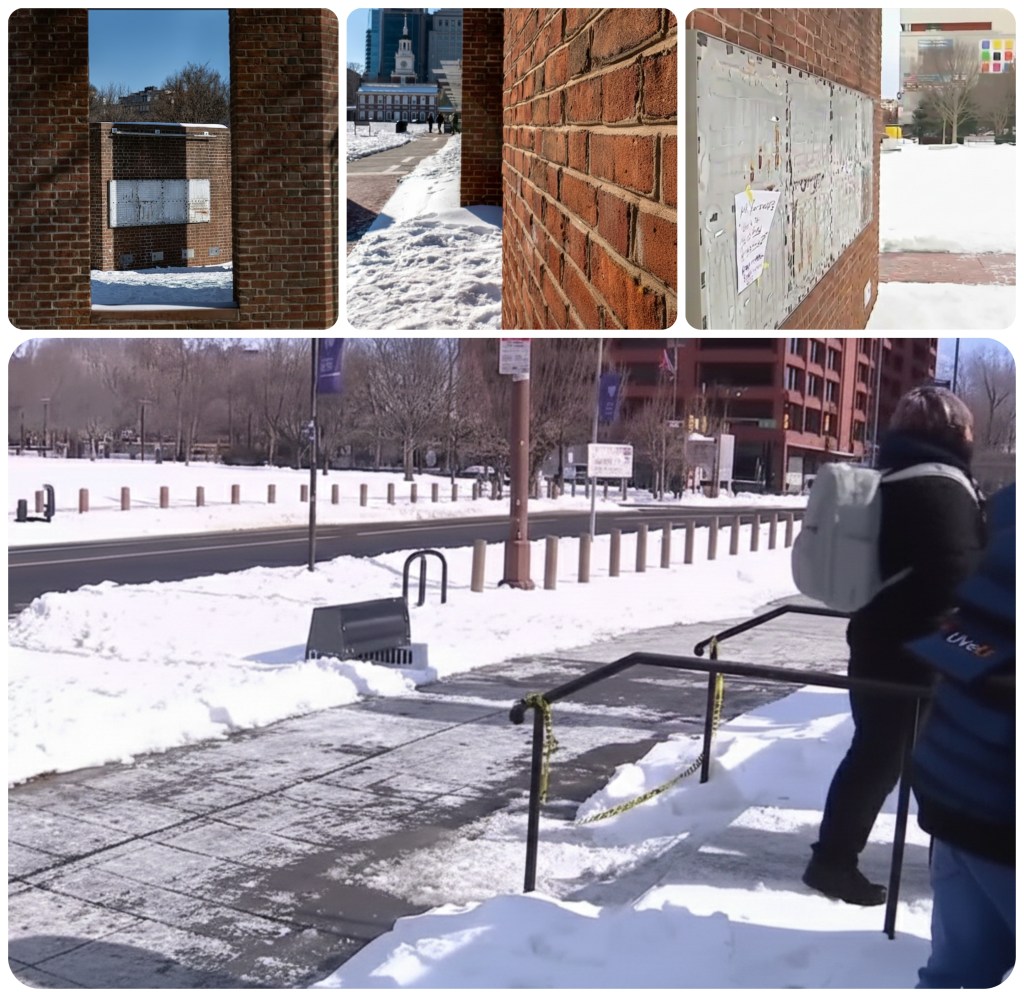
Judge Rufe plans to inspect the displays removed from the President’s House. She also will visit the site. When she does, she will see the Park Service cleared the snow on Independence Mall and left the President’s House Site covered in snow and ice.
Judge Rufe is likely to issue her ruling in March 2026.
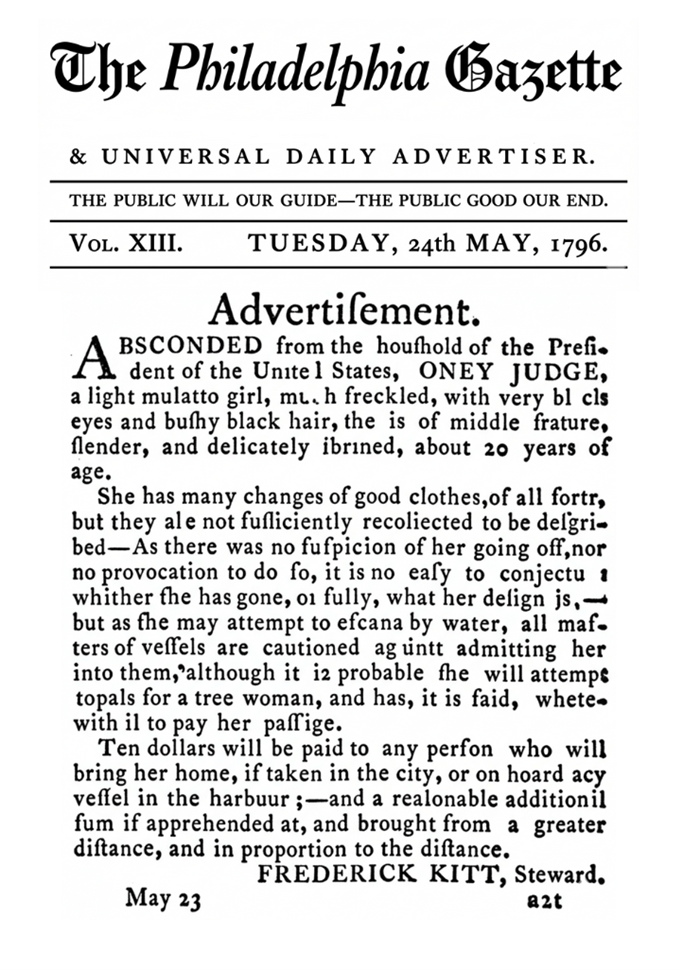
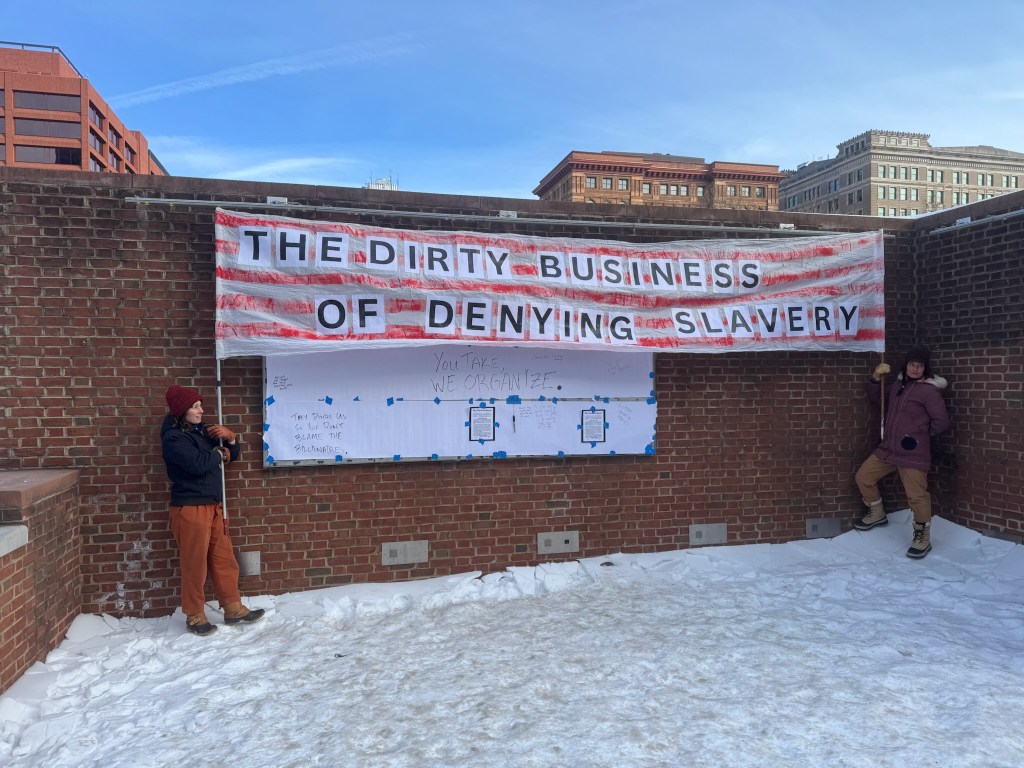
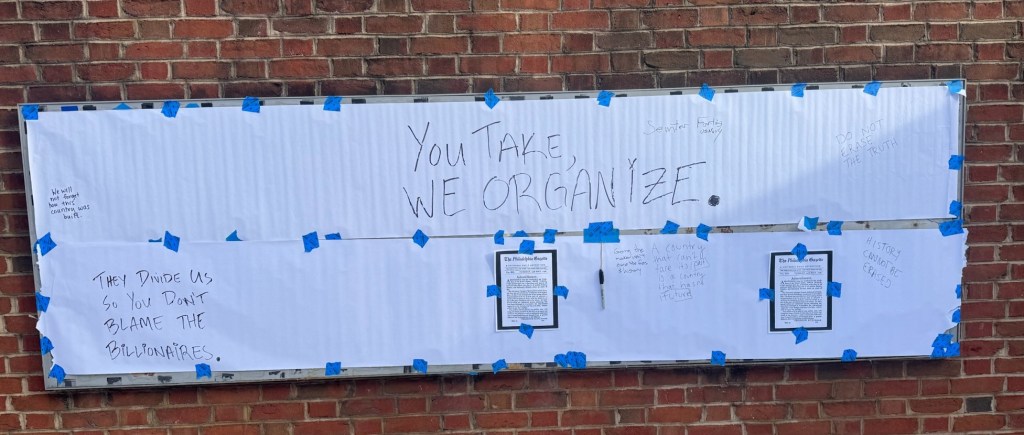
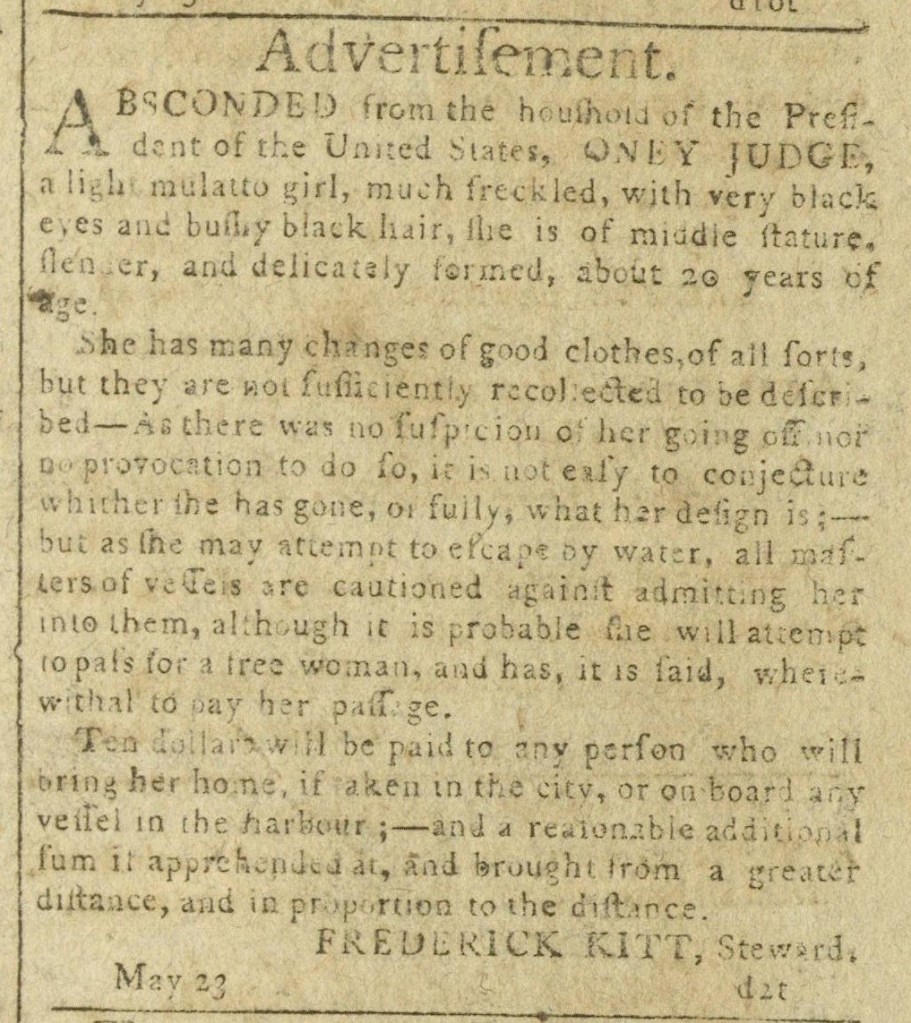
In the meantime, I spent the first day of Black History Month at the President’s House Site. I posted the “runaway slave” ad that Frederick Kitt, steward of the presidential household, placed in the Philadelphia Gazette & Universal Daily Advertiser offering a ten-dollar reward for the return of Oney Judge who “absconded from the household of the President of the United States.”
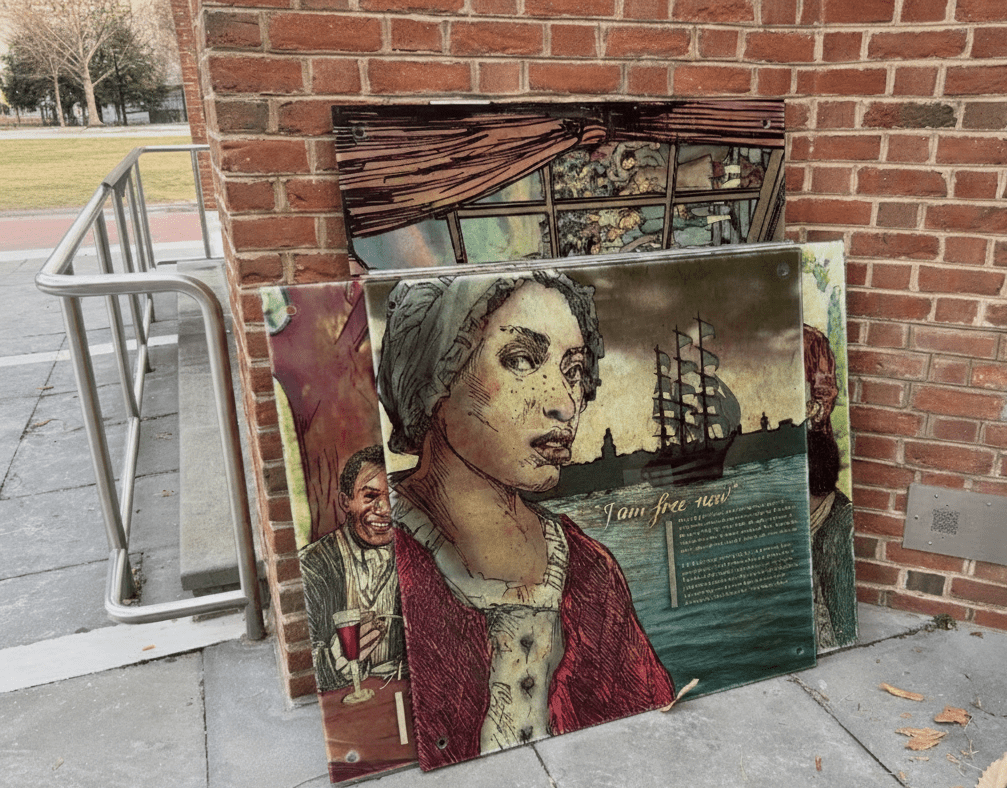
It was heartwarming to see the steady stream of visitors in the bitter cold and the creative forms of resistance.
As soon as the weather breaks, I plan to reserve People’s Plaza, the public square near the President’s House Site where protesting is allowed. I will set up my boombox and play protest songs. I expect the Park Service will “say my music’s too loud.”
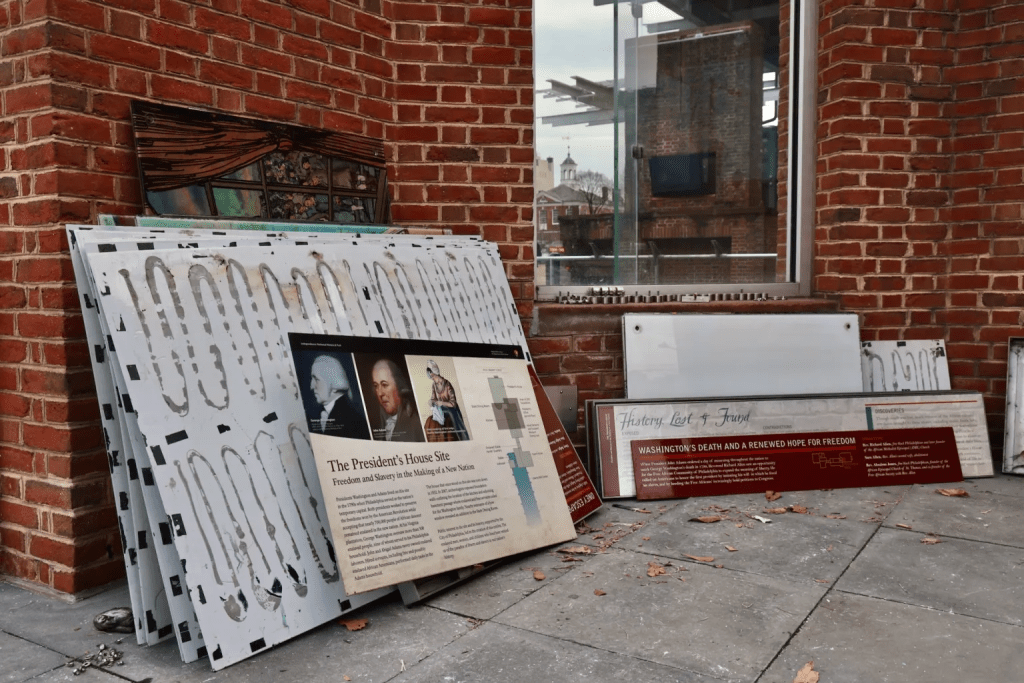
UPDATE: On February 2, 2026, Judge Cynthia M. Rufe conducted a visual inspection of the signs removed from the President’s House Site by the National Park Service. Thirty-four panels were removed, some of which “exhibited damage.” The panels are stored in a secure location at the National Constitution Center.
“The government is ORDERED to continue to securely store all removed panels and to mitigate any further deterioration or damage.”
With respect to the Memorial, the enclosed space near the entrance to the Liberty Bell Center that is in the footprint of President Washington’s slave quarters, “no further removal and/or destruction of the President’s House site will be permitted until further order of the Court.”
President Trump likely has not read George Orwell who warned us: “Who controls the past controls the future. Who controls the present controls the past.” Trump wants to control the American narrative. So on his directive, the National Park Service is acting like it’s 1984.
On January 22, 2026 – without notice to the City of Philadelphia – the National Park Service unilaterally removed artwork and interpretive panels from the President’s House Site that “tells the story of the paradox of liberty and enslavement in one home – and in a nation.” The story reflects decades of scholarly research about the nine enslaved Africans who were brought by President George Washington from Mount Vernon to work in the executive mansion.
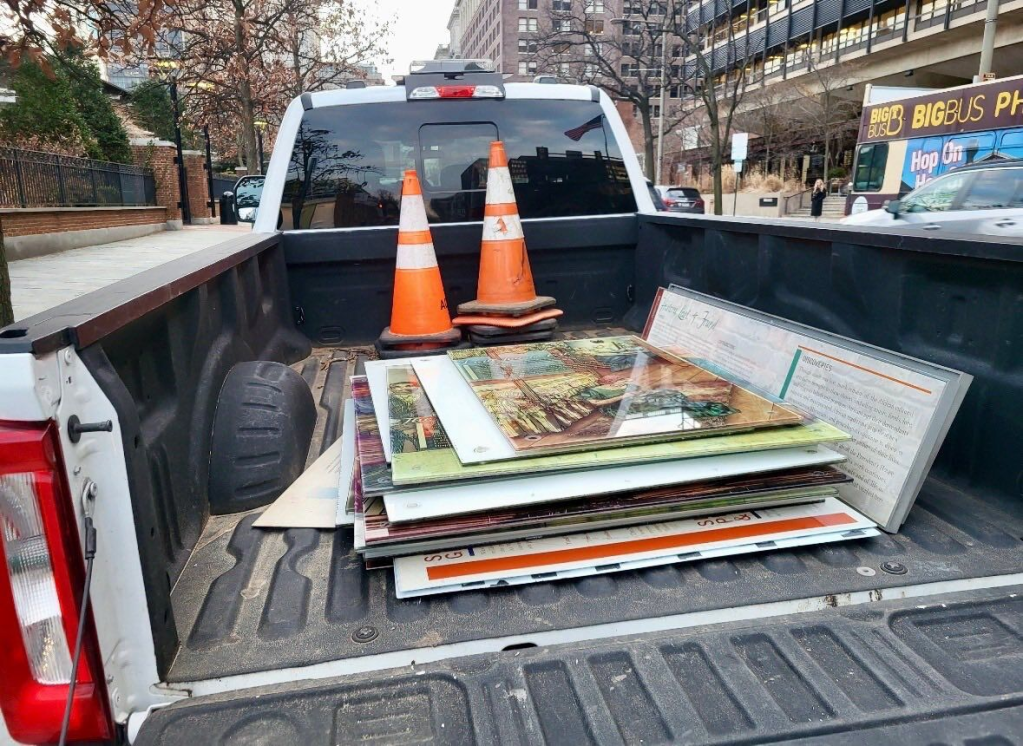
The panels and artwork were unceremoniously tossed in the back of a pickup truck and taken to a “secure location.”
Before the signs were unloaded in the still undisclosed “secure location,” the City of Philadelphia filed a complaint in the U.S. District Court for the Eastern District of Pennsylvania.
The City claims the Department of the Interior and the National Park Service violated a 2006 cooperative agreement that “through a series of amendments, detailed the design of the President’s House Project as well as the rights and responsibilities of the parties.” According to the complaint, “the City has an equal right with the NPS under these agreements to approve the final design of the President’s House Project.”
The City asks the Court to declare that the Defendants’ removal of the artwork and interpretive signs violates the Administrative Procedure Act. The City argues the Defendants “have provided no explanation at all for their removal of the historical, educational displays at the President’s House site, let alone a reasoned one.”
The City further argues “there is no statutory or other authority for the Secretary to remove and destroy [National Underground Railroad Network to Freedom] sites after designation and doing so runs counter to the express purpose of the Administrative Procedure Act.”
The bottom line: The City seeks “An order restoring the President’s House Site to its status as of January 21, 2026.”
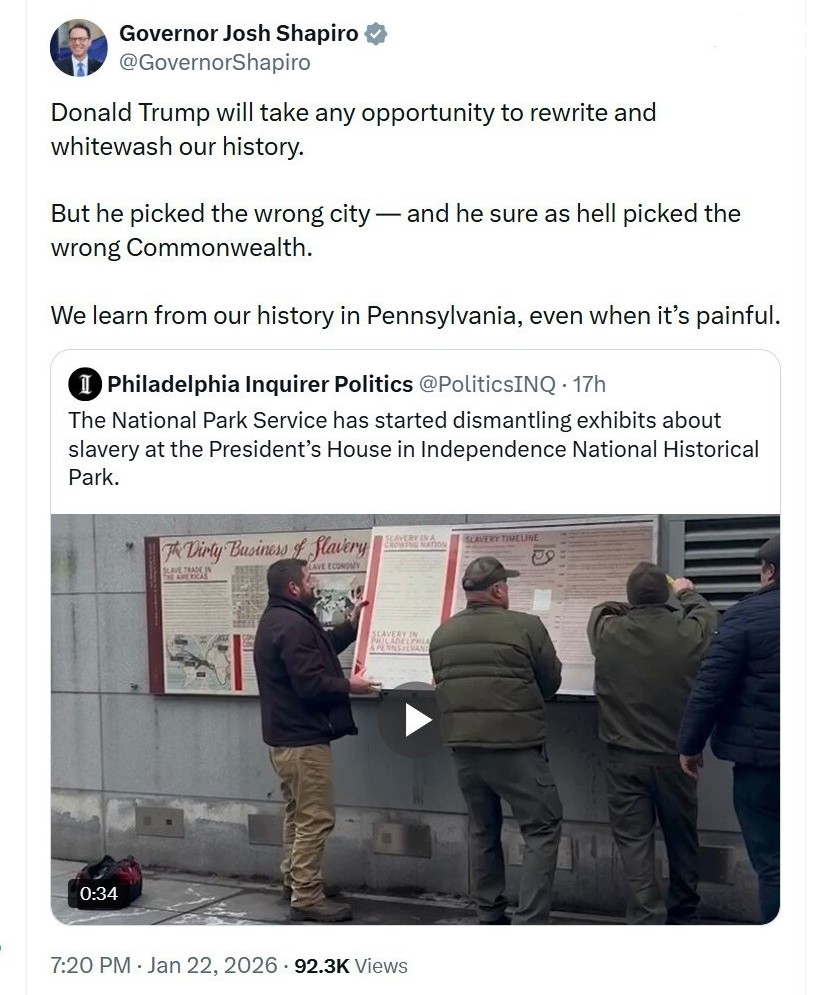
Pennsylvania Gov. Josh Shapiro posted on X that “Donald Trump will take any opportunity to rewrite and whitewash our history. But he picked the wrong city — and he sure as hell picked the wrong Commonwealth. We learn from our history in Pennsylvania, even when it’s painful.”
Shapiro said he will file an amicus brief in support of the City’s lawsuit.
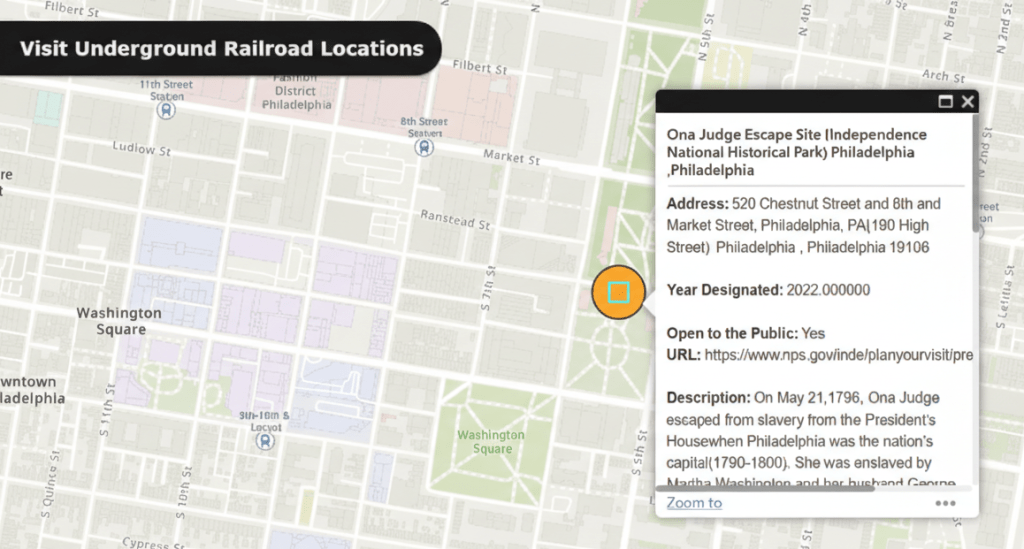
Facts are stubborn things. On May 23, 1796, Frederick Kitt, steward of the presidential household, placed an ad in the Philadelphia Gazette and Universal Daily Advertiser offering a ten dollar reward “to any person who will bring [Oney Judge] home. Oney “ABSCONDED from the household of the President of the United States” on May 21, 1796.
The National Park Service designated the President’s House a National Underground Railroad Network to Freedom site in 2022.
Trump’s attempt to alter the facts and whitewash the history of the President’s House will not stand.
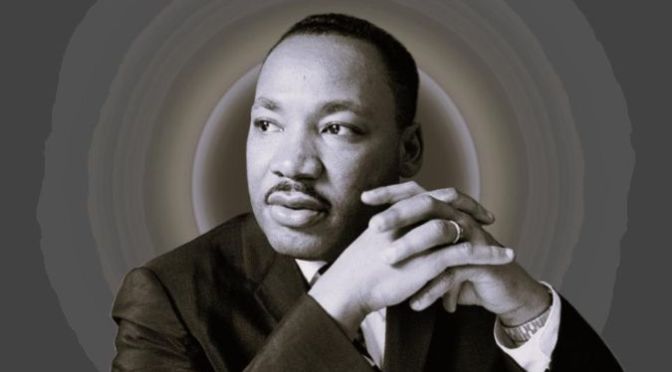
Civil rights icon and Nobel Peace Prize laureate Martin Luther King Jr. was born on January 15, 1929 in Atlanta, Georgia. Dr. King celebrated his last birthday in 1968.
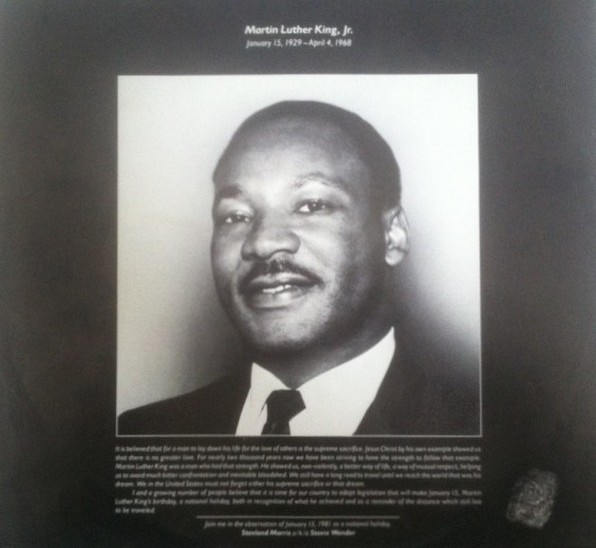
Stevie Wonder helped build support for a national holiday “to show just how much we love” the drum major for justice. In the liner notes of Hotter Than July (1980), Stevland Morris a/k/a Stevie Wonder wrote:
It is believed that for a man to lay down his life for the love of others is the supreme sacrifice. Jesus Christ by his own example showed us that there is no greater love. For nearly two thousand years now we have been striving to have the strength to follow that example. Martin Luther King was a man who had that strength. He showed us, non-violently, a better way of life, a way of mutual respect, helping us to avoid much bitter confrontation and inevitable bloodshed. We still have a long road to travel until we reach the world that was his dream. We in the United States must not forget either his supreme sacrifice or that dream.
I and a growing number of people believe that it is time for our country to adopt legislation that will make January 15, Martin Luther King’s birthday, a national holiday, both in recognition of what he achieved and as a reminder of the distance which still has to be traveled.
Join me in the observance of January 15, 1981 as a national holiday.
Muhammad Ali (1942-2016) was the greatest heavyweight boxer of all time. Known for his courage inside and outside the ring, Ali was an outspoken advocate for racial equality and religious freedom.
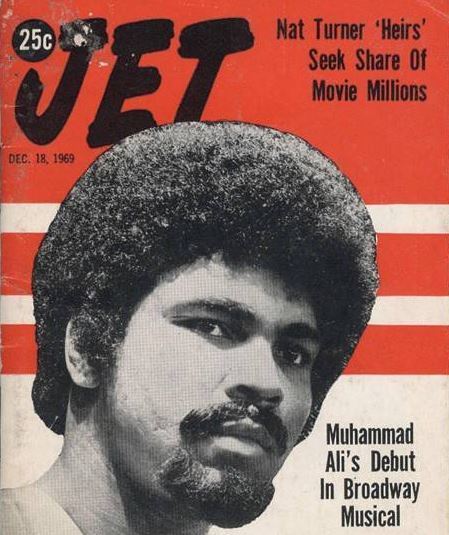
Ali didn’t just star in the boxing ring. He also starred in the Broadway musical “Buck White.”
Game recognizes game.
The three-time World Heavyweight Boxing Champion was a cultural icon and global humanitarian. Ali’s honors include the Presidential Medal of Freedom (2005); Sports Illustrated Sportsman of the Century (1999); BBC Sports Personality of the Century (1999); and United Nations Messenger of Peace (1998).
Visibly affected by Parkinson’s disease, Ali lit the Olympic flame at the 1996 Atlanta Summer Olympics.
Ali once said, “I should be a postage stamp, because that’s the only way I’ll ever get licked.”
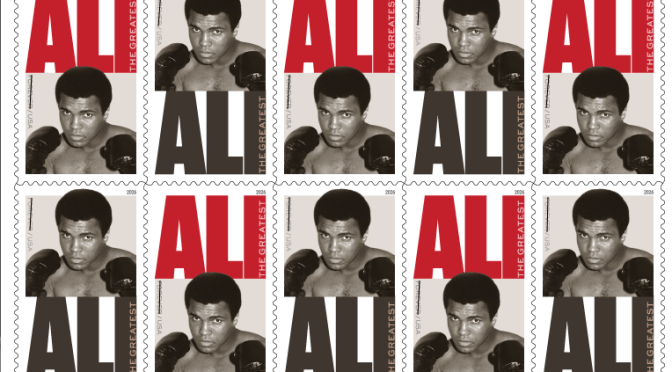
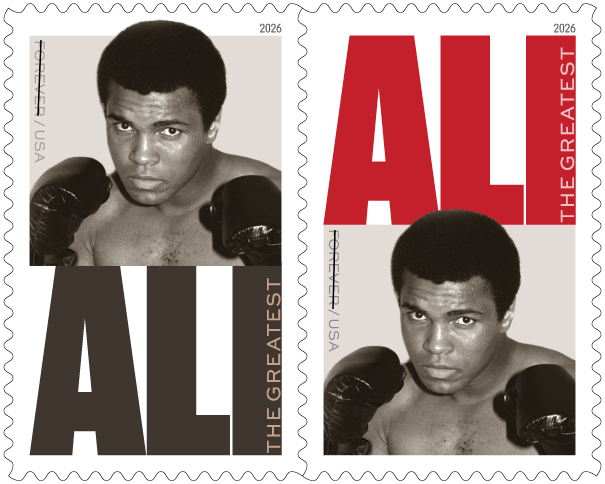
The U.S. Postal Service will honor Ali with two stamps. The first-day-of-issue ceremony for the Muhammad Ali Forever stamps will be held on January 15, 2026 in Ali’s hometown, Louisville, Kentucky.
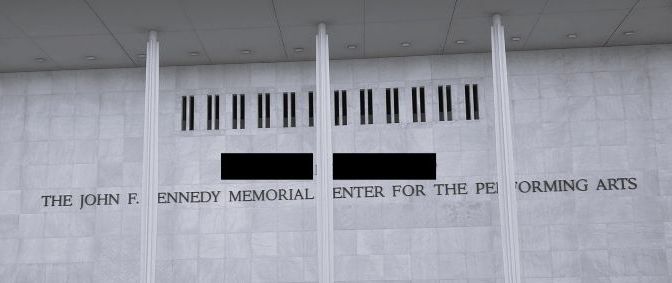
Donald Trump’s first year back in the White House was an annus horribilis. As the curtain was falling on 2025, President Trump’s handpicked Board of Trustees slapped his name on the John F. Kennedy Center for the Performing Arts. The Trump-stacked board changed the bylaws to allow only his sycophants to vote on the name change. Trump’s name on the building desecrates the living memorial to the 35th President of the United States.
By law, “no additional memorials or plaques in the nature of memorials shall be designated or installed in the public areas of the John F. Kennedy Center for the Performing Arts.” The illegal renaming prompted jazz drummer and vibraphonist Chuck Redd to cancel his Christmas Eve concert.
In a letter to Redd, Kennedy Center President Richard Grenell wrote this is “your official notice that we will seek $1 million in damages from you for this political stunt.”
Redd should call Grenell’s bluff. He would not have to worry about legal fees. Requests for donations to his legal defense fund would break the internet. It’s laughable to think the Kennedy Center would seek $1 million in damages for the cancellation of a free concert. There were no ticket sales; there were reservations. Through the discovery process, Redd would gain access to Board minutes and financial records.
Courage is contagious. Fall of Freedom is giving way to Winter of Discontent at the Kennedy Center. Shortly after Trump installed himself as chairman, “Hamilton” cancelled its 2026 run at the storied art and culture institution.
The Cookers cancelled their New Year’s Eve concerts. The band’s drummer, Billy Hart, told the New York Times “the center’s name change had ‘evidently’ played a role” in the cancellation.
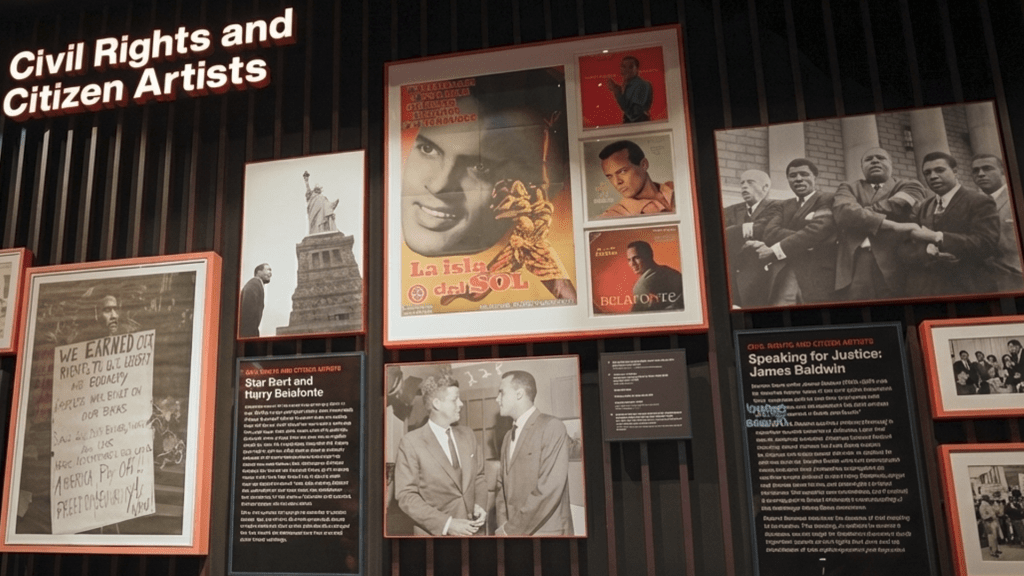
In canceling their gigs, Redd, the Cookers and the cast of “Hamilton” are following in the footsteps of the legendary citizen artists featured in the Kennedy Center’s immersive exhibit, “Art and Ideals.”
At the 1964 Berlin Jazz Festival, Dr. Martin Luther King Jr. observed that jazz musicians were the vanguard of the Civil Rights Movement. In a statement posted on their website, the Cookers said:
Jazz was born from struggle and from a relentless insistence on freedom: freedom of thought, of expression, and of the full human voice. Some of us have been making this music for many decades, and that history still shapes us. We are not turning away from our audience, and do want to make sure that when we do return to the bandstand, the room is able to celebrate the full presence of the music and everyone in it.
NEA Jazz Master Billy Taylor was artistic director at the Kennedy Center from 1994 until his death in 2010. Dr. Taylor’s composition, “I Wish I Knew How It Would Feel to Be Free,” was an unofficial anthem of the Civil Rights Movement.
Redd’s canceled concert was to be held on the Millennium Stage. The Billy Taylor Trio inaugurated the Millennium Stage on March 1, 1997.
As long as Trump’s name is on the wall, jazz musicians should not set foot in the building. The only jazz should be live from the archives, Billy Taylor’s Jazz at the Kennedy Center (here and here).
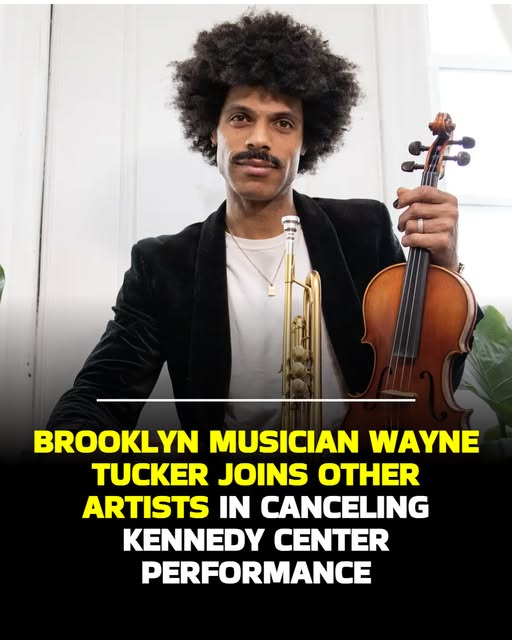
UPDATES: Jazz trumpeter and violinist Wayne Tuckercanceled his January 22, 2026 concert which was scheduled for the Millennium Stage.
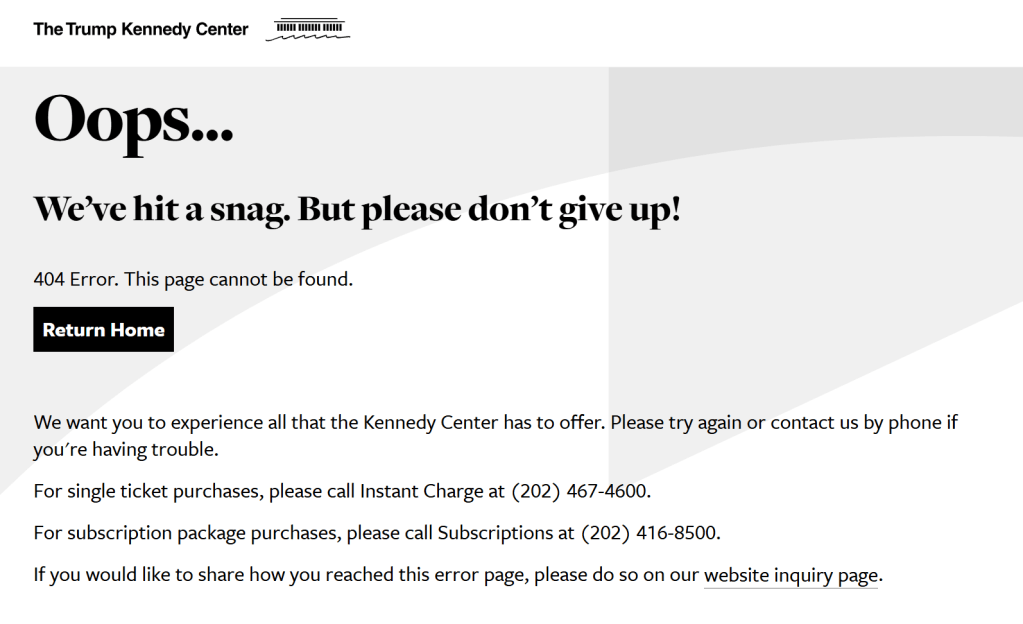
When you click on the event link, this pops up.
Banjoist Béla Fleck canceled his performances with the National Symphony Orchestra at the Kennedy Center scheduled for February 19, 21 and 22, 2026.
An 18-time Grammy winner, Fleck won’t let President Trump and his “rich and weak fools” bring him down.
Fleck recorded “I Wish I Knew How It Would Feel to Be Free” with the Blind Boys of Alabama.
The New York Times reported “the decision to leave was in response to a drop in attendance and a decline in donor contributions during the president’s second term, as well as an escalating number of artists who have refused to appear at the Kennedy Center since Mr. Trump’s name was added to the building last month.
Composer and Kennedy Center Honoree Philip Glass cancelled the June 2026 premiere of his Symphony No. 15: “Lincoln,” which is based on Abraham Lincoln’s 1838 Lyceum Address, with the National Symphony Orchestra.
Glass said in a post on social media “the values of the Kennedy Center today are in direct conflict with the message of the Symphony.”
Master silhouette artist Moses Wlliams passed away on December 13, 1830. Born into slavery in August 1776, Moses lived in the shadow of his enslaver, Charles Willson Peale. Moses grew up in the same household with Peale’s children, but he was denied the opportunity to learn the fine art of painting that was afforded his enslaver’s children.
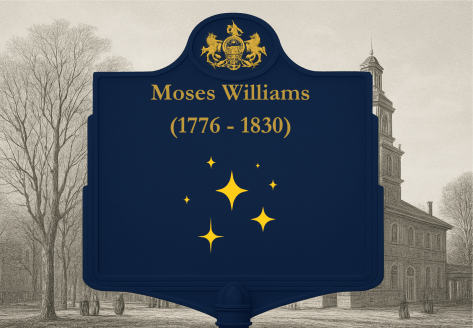
Moses made a way out of no way. He excelled as a silhouette artist and earned a place in history. Moses’ Pennsylvania historical marker will be dedicated in 2026, the 250th anniversary of his birth.
Moses was interred at Northwest Burial Ground on December 20, 1830. Sometime between 1853 and 1868, the burial ground was sold, the bodies disinterred, and a church constructed on the site. Some of the remains were removed to Section 203 at Mount Moriah Cemetery in 1868 under a monument that reads: “Sacred to the memory of the dead whose remains were removed from the 16th and Coates St. Cemetery of St. Georges M. E. Church Philadelphia to this place in the year 1868.”
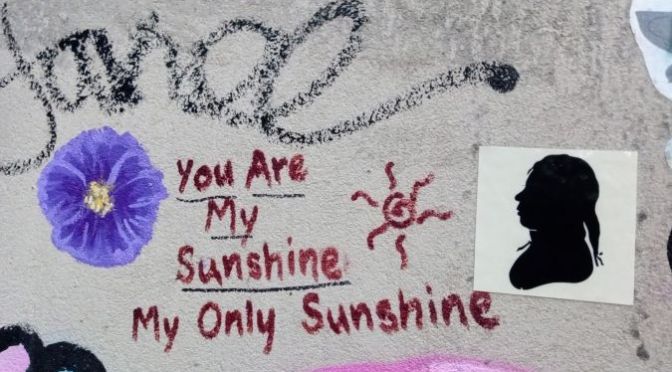
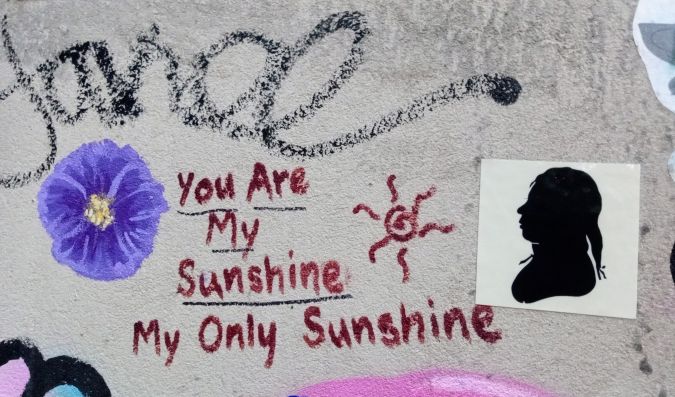
Mount Moriah has no record that Moses’ remains were among those reinterred in Section 203. In the absence of a final resting place, I plastered the only known image of Moses in Freeman Alley, a graffitied place of remembrance in New York City.
Pasting over others’ stickers is part of the culture of Freeman Alley.
When Moses Williams’ historical marker is unveiled in 2026, he will have a permanent place in public memory.
The dedication ceremony is open to the public. If you are interested in attending, send your name and email address to phillyjazzapp@gmail.com.









 All That Philly Jazz