
Dr. Carter G. Woodson launched Negro History Week in 1926 to honor African American contributions that were “overlooked, ignored, and even suppressed by the writers of history textbooks and the teachers who use them.” February was chosen because Black Americans already celebrated the birthdays of the Great Emancipator Abraham Lincoln (February 12) and the Great Orator Frederick Douglass (February 14).
Black History Month was first nationally recognized 50 years ago by President Gerald R. Ford who on February 10, 1976 issued a Message on the Observance of Black History Month:
One hundred years ago, to help highlight these achievements, Dr. Carter G. Woodson founded the Association for the Study of Afro-American Life and History. We are grateful to him today for his initiative, and we are richer for the work of his organization.
Freedom and the recognition of individual rights are what our Revolution was all about. They were ideals that inspired our fight for Independence: ideals that we have been striving to live up to ever since. Yet it took many years before these ideals became a reality for black citizens.
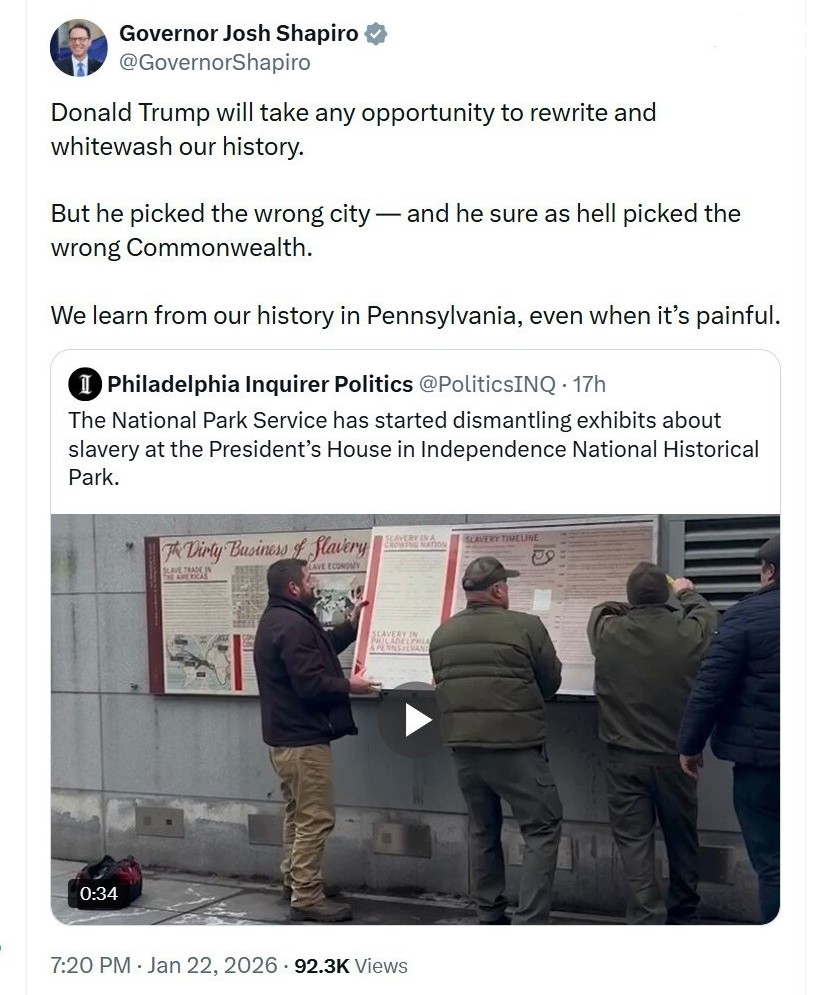
Fifty years later, President Donald Trump is sending a different message. Trump aggregates unto himself the authority to overlook, ignore and suppress Black history, and whitewash “what our Revolution was all about.”
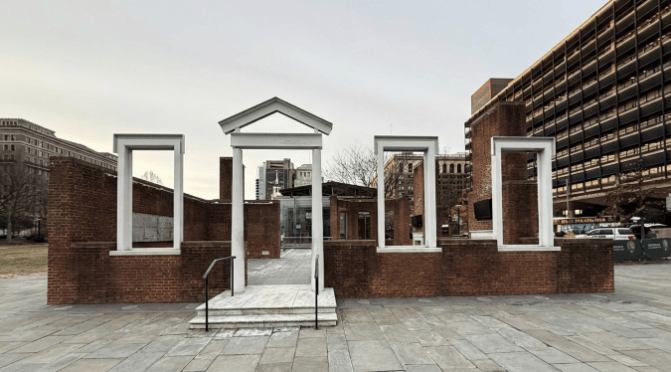
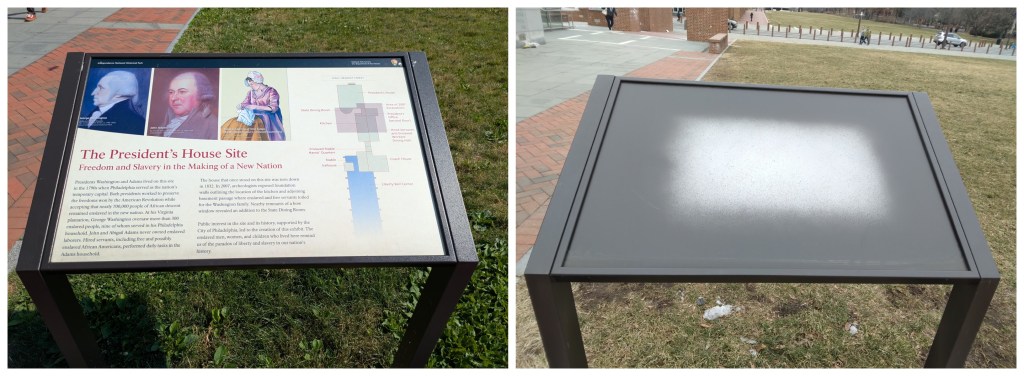
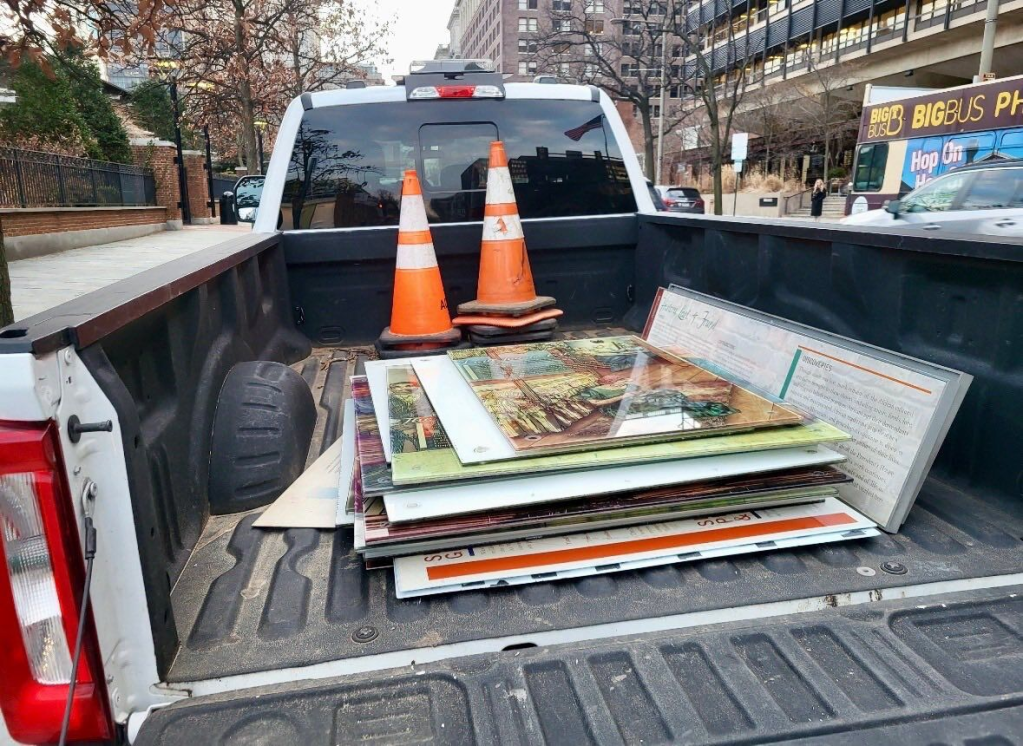
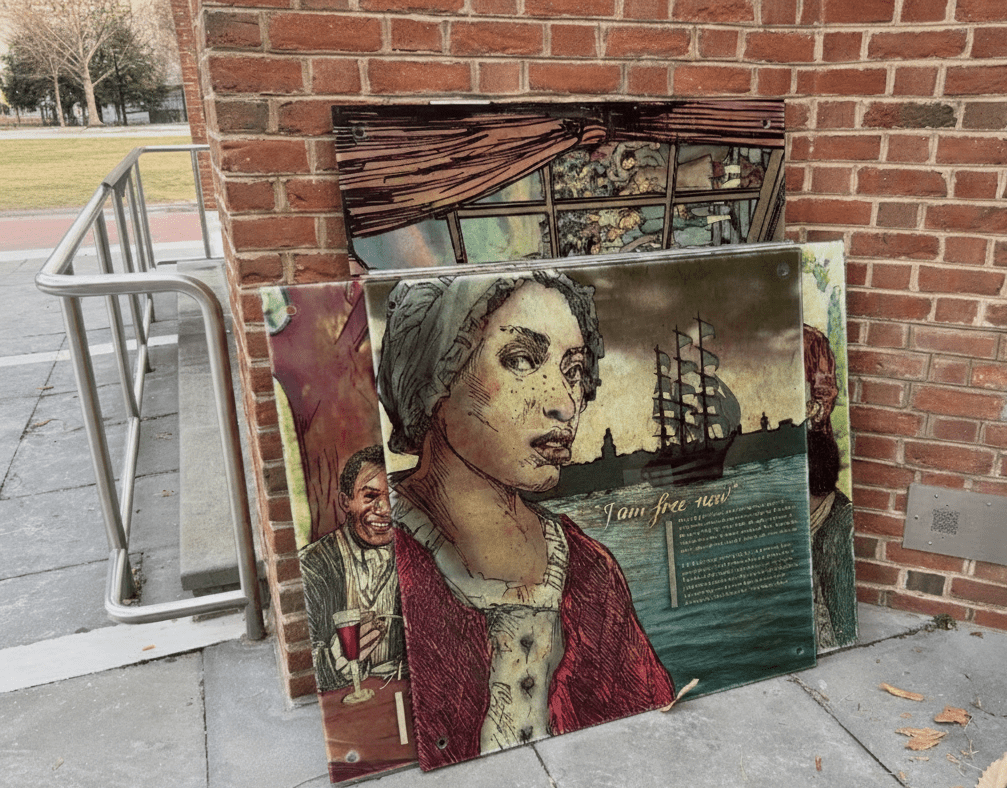
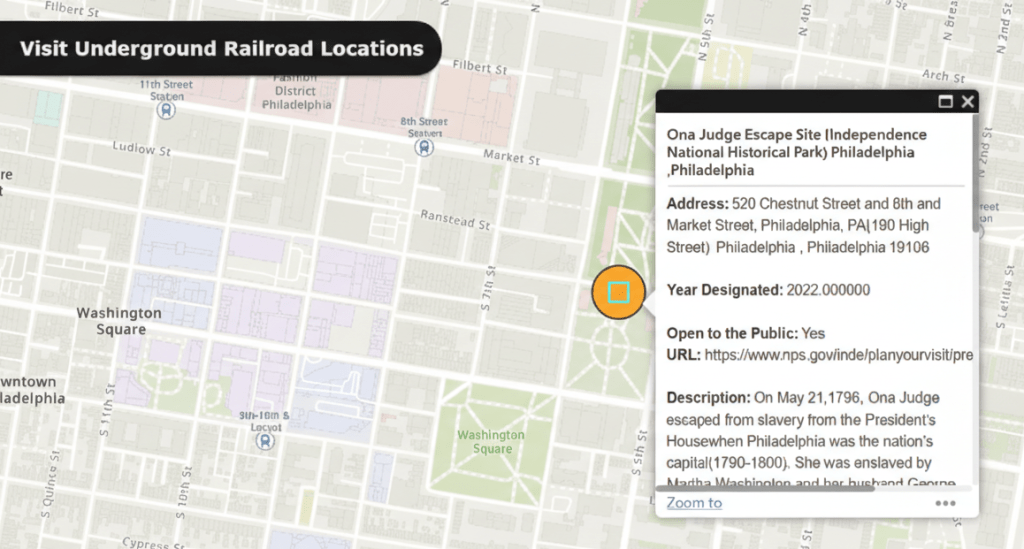
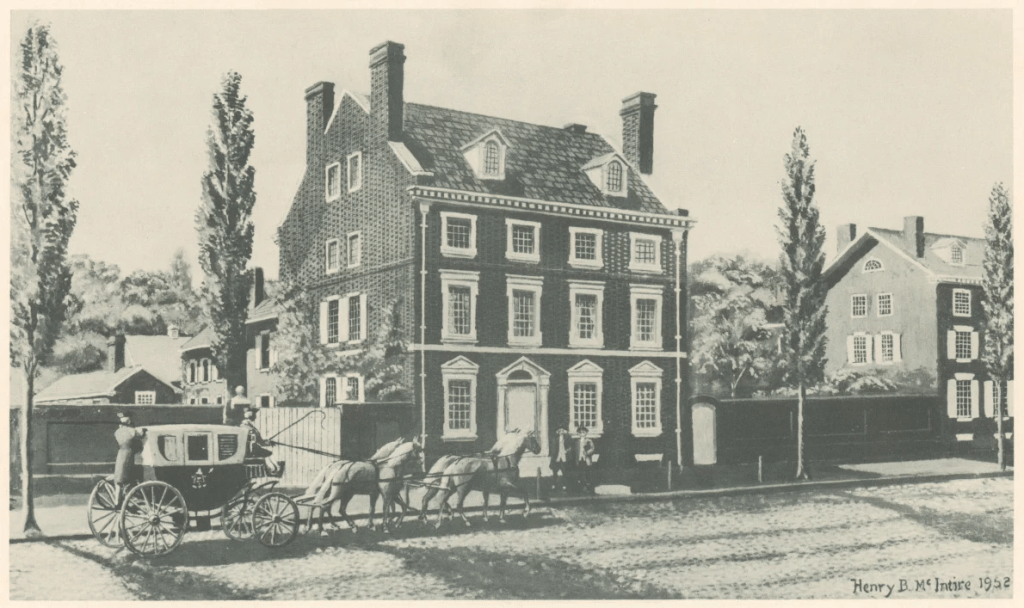
Without notice to the City of Philadelphia, the National Park Service dismantled the President’s House Site which opened on December 15, 2010 after years of cooperation between the Park Service, the City and the public.
On the eve of Black History Month, a hearing was held (here and here) in federal district court on the City’s motion for a preliminary injunction to stop the suppression of the history of slavery. The City wants Judge Cynthia M. Rufe to order the Defendants to restore the President’s House Site to its status as of January 21, 2026.
The Defendants claim “the National Park Service is the sole decision maker as to what is exhibited on its property.” They claim that Trump has absolute authority to order the signs removed. The “administration issued the executive order that resulted in this action… The government gets to choose the message it wants to convey.”
Judge Rufe said “that’s a dangerous statement. That’s horrifying to listen to. [History] changes on the whim of someone in charge? Sorry. That’s not what we elected anybody for.”
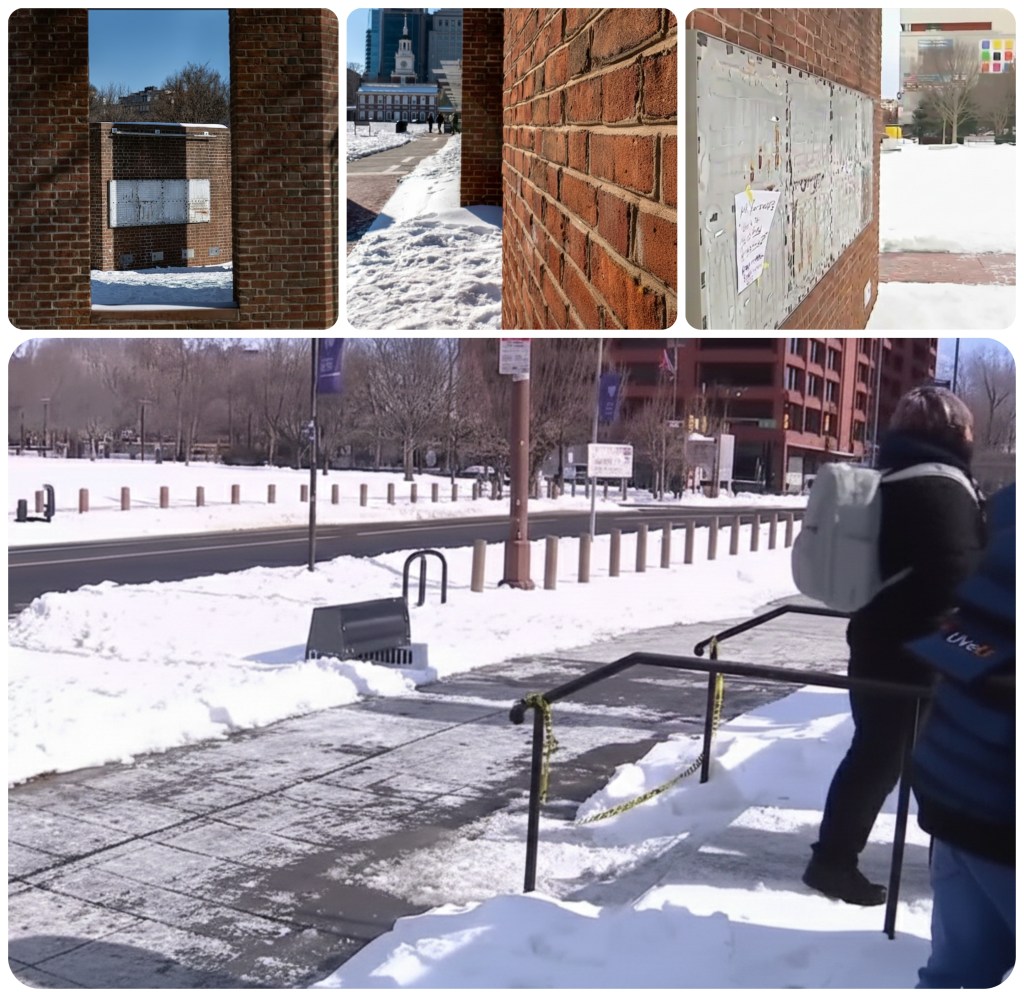
Judge Rufe plans to inspect the displays removed from the President’s House. She also will visit the site. When she does, she will see the Park Service cleared the snow on Independence Mall and left the President’s House Site covered in snow and ice.
Judge Rufe is likely to issue her ruling in March 2026.
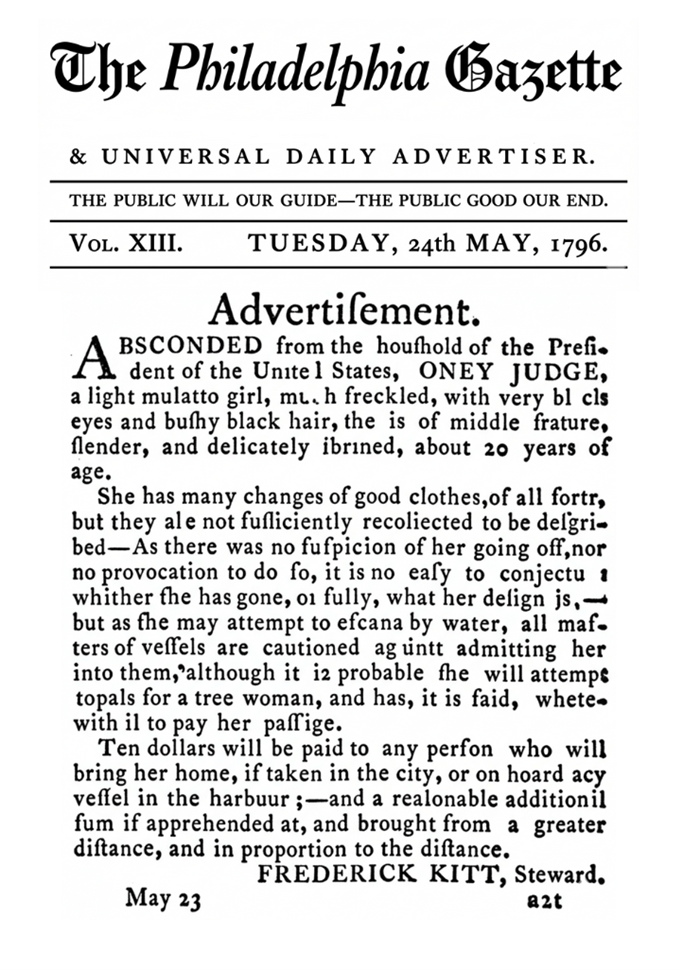
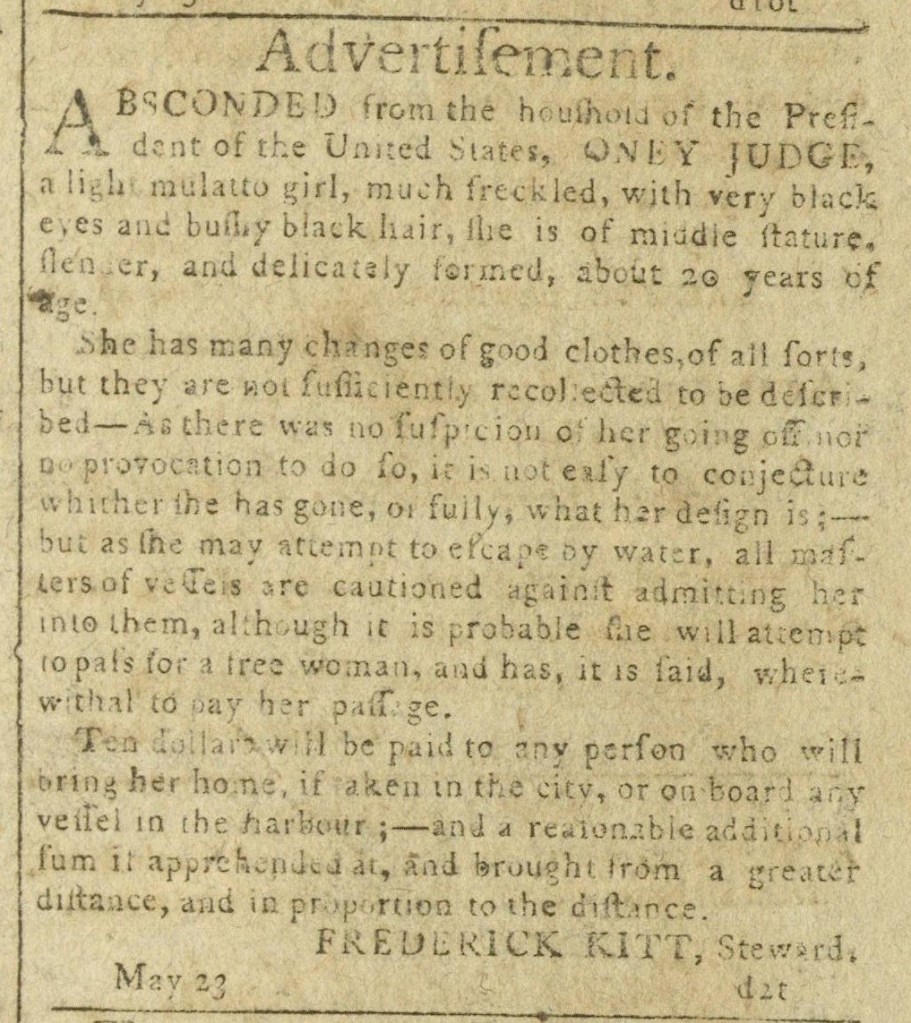
In the meantime, I spent the first day of Black History Month at the President’s House Site. I posted the “runaway slave” ad that Frederick Kitt, steward of the presidential household, placed in the Philadelphia Gazette & Universal Daily Advertiser offering a ten-dollar reward for the return of Oney Judge who “absconded from the household of the President of the United States.”

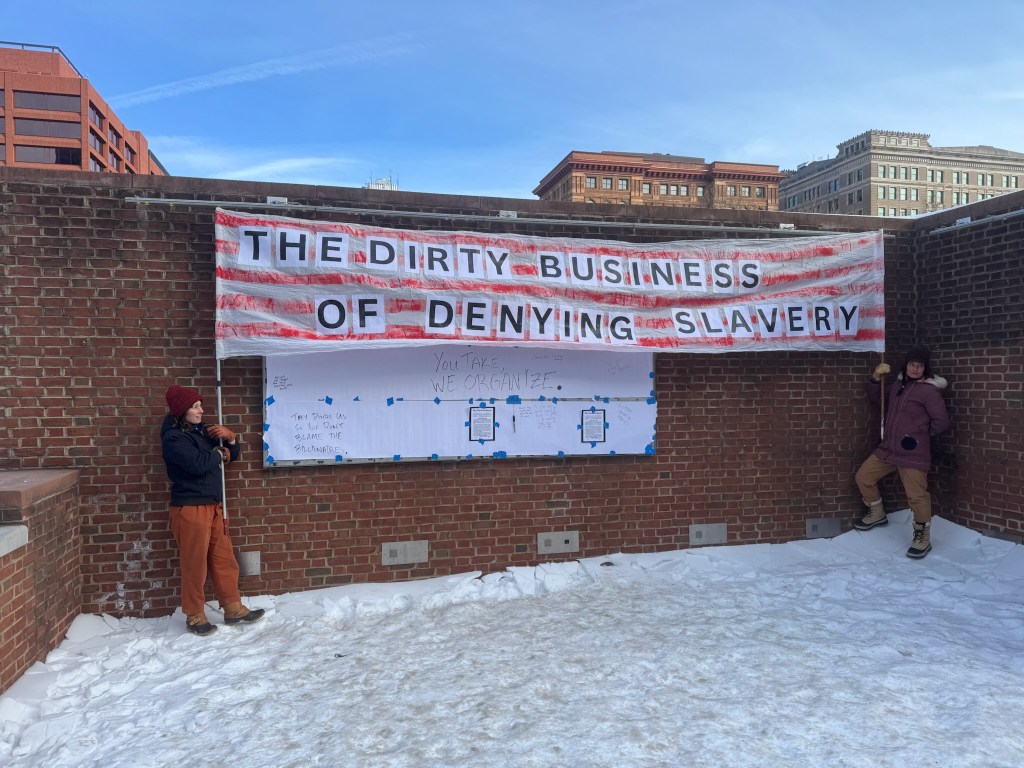
It was heartwarming to see the steady stream of visitors in the bitter cold and the creative forms of resistance.
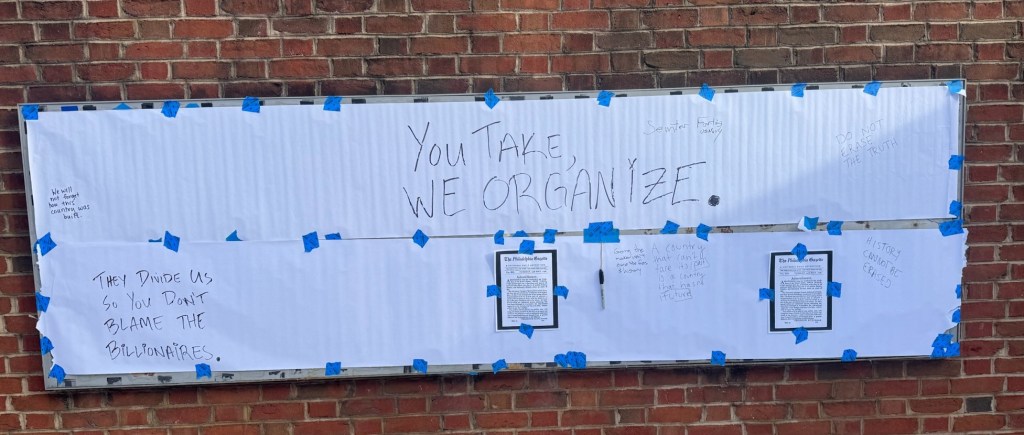
As soon as the weather breaks, I plan to reserve People’s Plaza, the public square near the President’s House Site where protesting is allowed. I will set up my boombox and play protest songs. I expect the Park Service will “say my music’s too loud.”
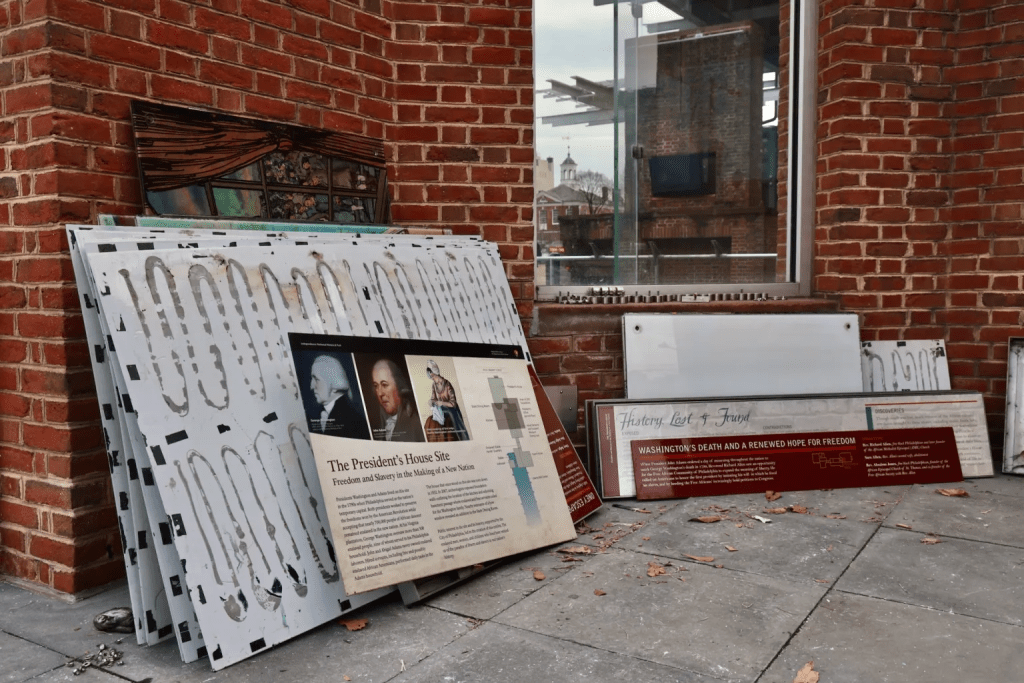
UPDATE: On February 2, 2026, Judge Cynthia M. Rufe conducted a visual inspection of the signs removed from the President’s House Site by the National Park Service. Thirty-four panels were removed, some of which “exhibited damage.” The panels are stored in a secure location at the National Constitution Center.
“The government is ORDERED to continue to securely store all removed panels and to mitigate any further deterioration or damage.”
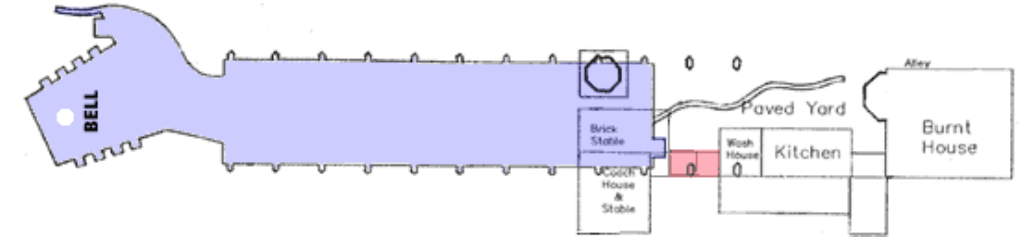
With respect to the Memorial, the enclosed space near the entrance to the Liberty Bell Center that is in the footprint of President Washington’s slave quarters, “no further removal and/or destruction of the President’s House site will be permitted until further order of the Court.”





 All That Philly Jazz