

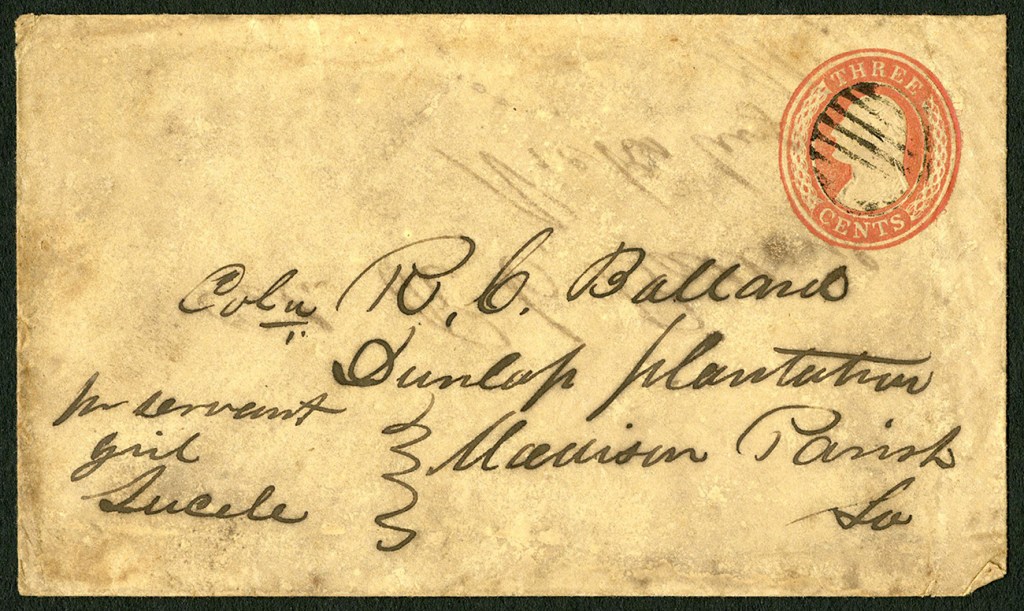
President Trump has floated a plan to privatize the U.S. Postal Service. The United States Post Office Department was established in 1792. Enslaved Africans delivered mail and packages between plantations and towns. Before the introduction of home mail delivery in 1863, enslaved Africans often carried mail to and from the post office.
Mary Fields, aka Stagecoach Mary, was the first African American to carry mail on a Star Route for the Post Office Department.

Minnie M. Cox was the first Black female postmaster.
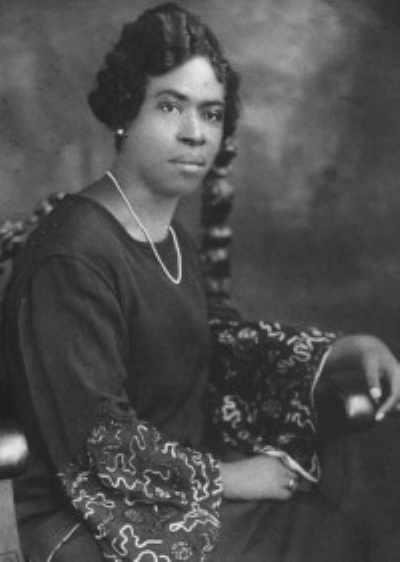
Mrs. Cox definitely earned it. Still, the white citizens of Indianola, Mississippi petitioned President Theodore Roosevelt to remove her from office. Roosevelt refused:
Initially, very few complaints were raised about Mrs. Cox’s appointment as postmaster. As time passed, however, concerns arose from the citizens of Indianola. During this time, Republican politics were being restructured by President Theodore Roosevelt, and the new party stance shifted so that it no longer continued the Reconstruction policy of placing African Americans to political appointments. The white citizens of Indianola called for the elimination of African Americans from leadership positions, and specifically for the removal of Mrs. Cox. In doing so, they hoped to create an opening for a white postmaster.
[…]
These threats concerned postal inspector Charles Fitzgerald, who suggested that “as a bona fide federal officer, Mrs. Cox should be protected, by federal troops if necessary, in the discharge of her duties.” However, President Roosevelt made it clear that there would be no need for federal troops and refused to accept Mrs. Cox’s resignation. Instead, he suspended the Indianola post office on January 2, 1903. Through this suspension, Roosevelt effectively showed Indianola citizens that mail would be rerouted until Mrs. Cox could resume her duties. The atmosphere, however, became so hostile that Mrs. Cox left Indianola for her own safety on January 5, 1903.
In response to the town’s actions against Mrs. Cox, President Roosevelt ordered the Attorney General to prosecute any citizens who had violently threatened Mrs. Cox. Furthermore, the Postmaster General decided to reduce the rank of the Indianola Post Office from a third-class to a fourth-class office on the grounds that the year’s lower postal receipts did not warrant third-class status.
A jazz club in South Philly paid homage to postal workers and the role of the Postal Service in building the Black middle class.
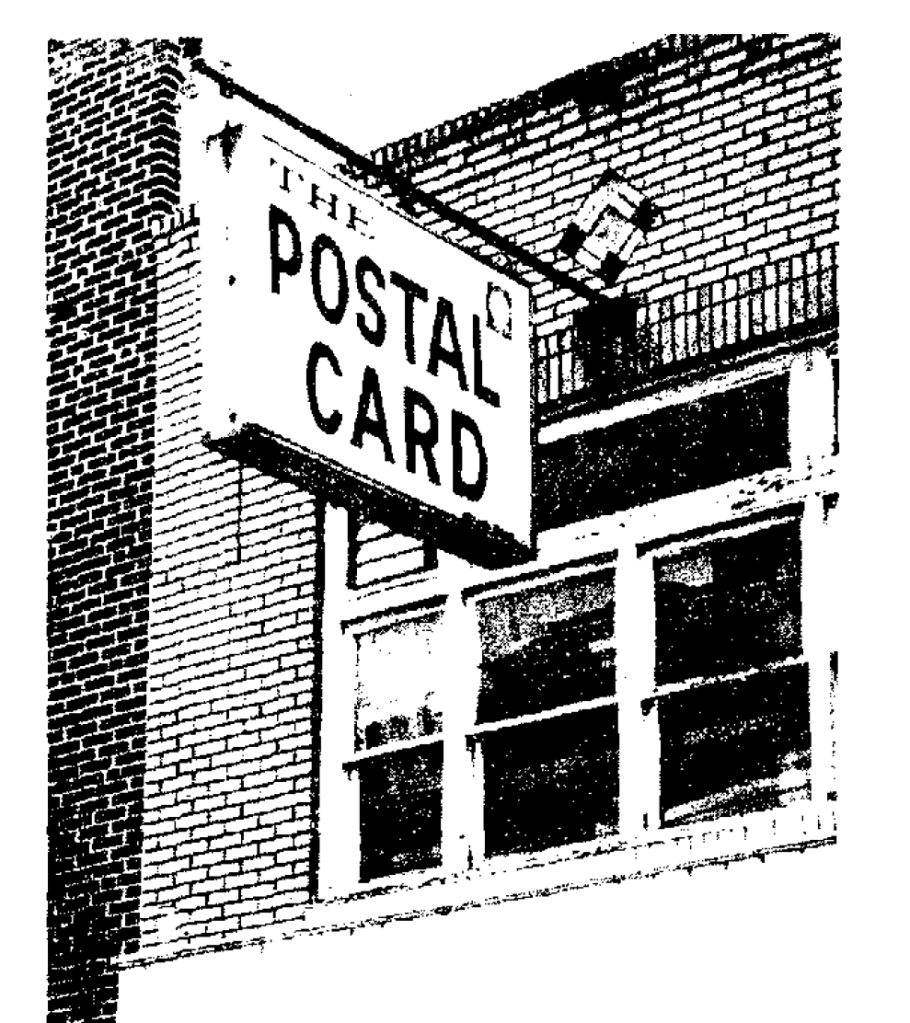
The Postal Service offered opportunities for Black high school graduates, as well as those with undergraduate and post-graduate degrees. In 1940, approximately 14 percent of all middle-class African Americans worked for the Postal Service; 28 percent had at least some college education compared to 4.9 percent of the Black population in general.
Today, African Americans represent approximately 29 percent of the postal workforce.
The Postal Service also preserves African American history and culture in public memory.

A complete list of the phenomenal Black women who have been honored with a postage stamp is available here.
 All That Philly Jazz