

All That Philly Jazz is a place-based, public history project that is telling the story of Philadelphia jazz from bebop to hip-hop. We have mapped lost jazz shrines from A to Z, from the Aqua Lounge to Zanzibar Blue.
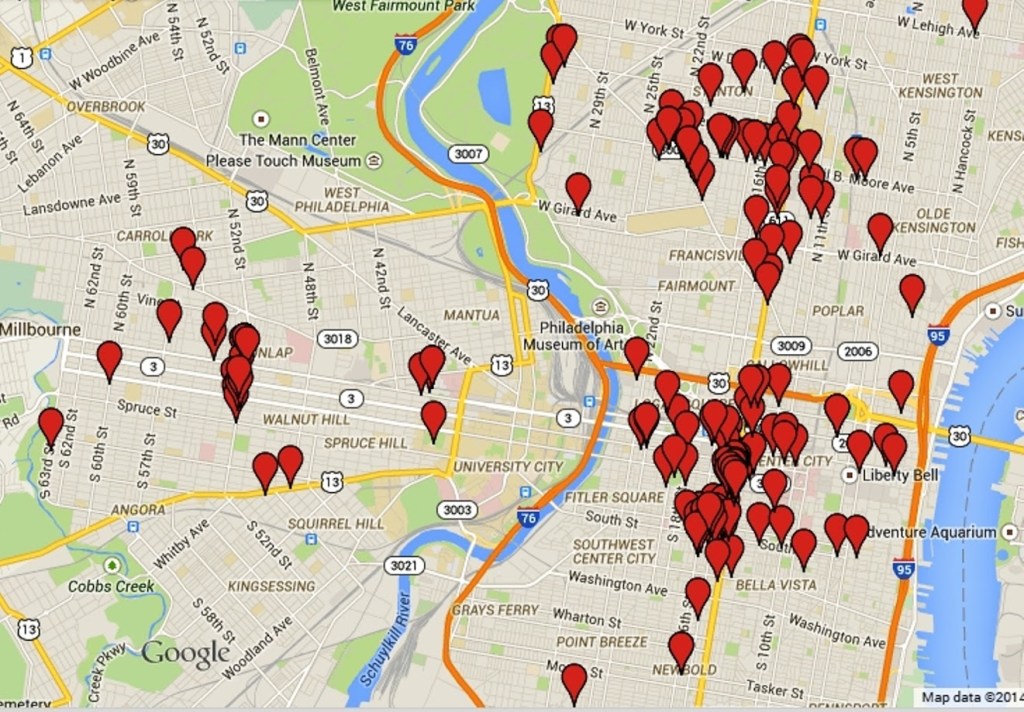
In an essay in “Lost Jazz Shrines,” noted author and scholar James G. Spady observed that Philly’s jazz history is “largely undocumented.” Sadly, most of Philadelphia’s jazz history has been erased. Few extant buildings remain. Jazz venues fell victim to the 1964 race riots, urban renewal and gentrification. As a result, the history largely resides in the memories of those who were there.

All That Philly Jazz is crowdsourced. The public is invited to share their stories online and at community events.
Drawing on archival materials and oral histories, we contextualize the social history of jazz. We dig in the archives to uncover hidden and forgotten stories.
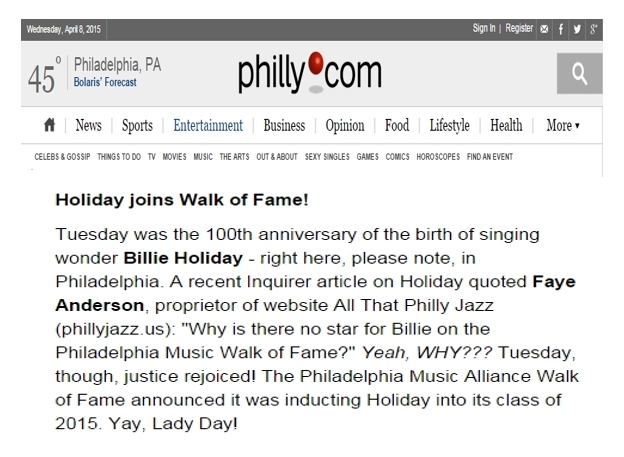
All That Philly Jazz Director Faye Anderson curated an exhibit on Black music from the 1770s to the 1970s for the Historical Society of Pennsylvania.
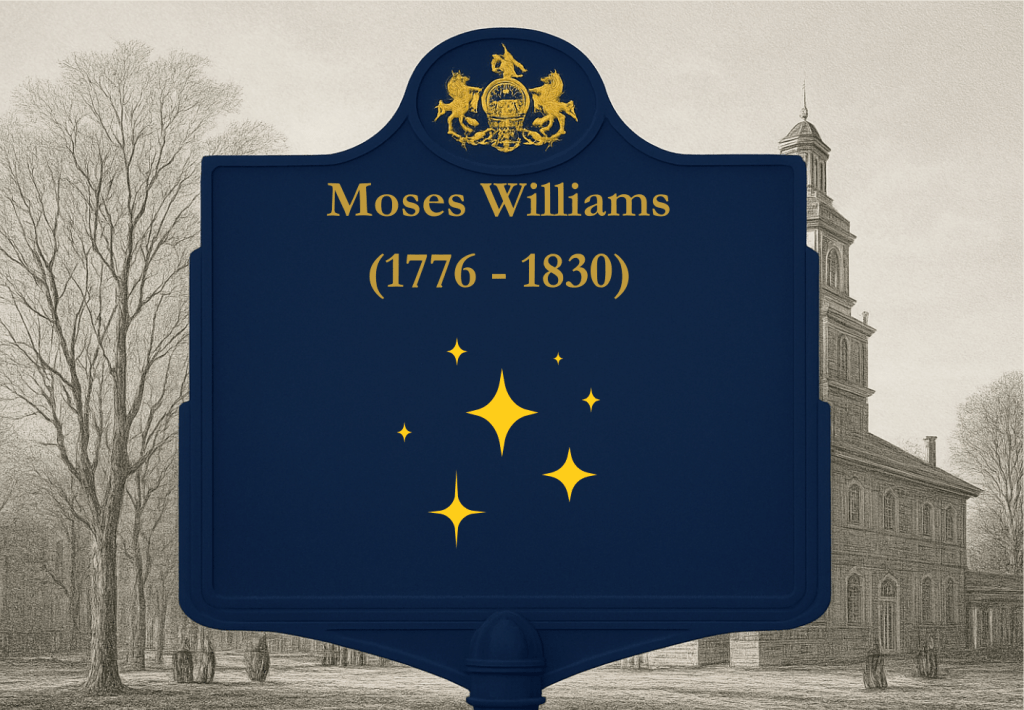
Faye nominated 19th century master silhouette artist Moses Williams for a Pennsylvania historical marker. The marker will be dedicated in 2026, the 250th anniversary of Williams’ birth.
Faye nominated Lee Morgan for a Pennsylvania historical marker. Lee’s marker was dedicated on International Jazz Day 2024.
Faye nominated Lee Morgan’s “The Sidewinder” for listing in the National Recording Registry. She was selected by the Library of Congress to write an essay about Morgan’s masterpiece.
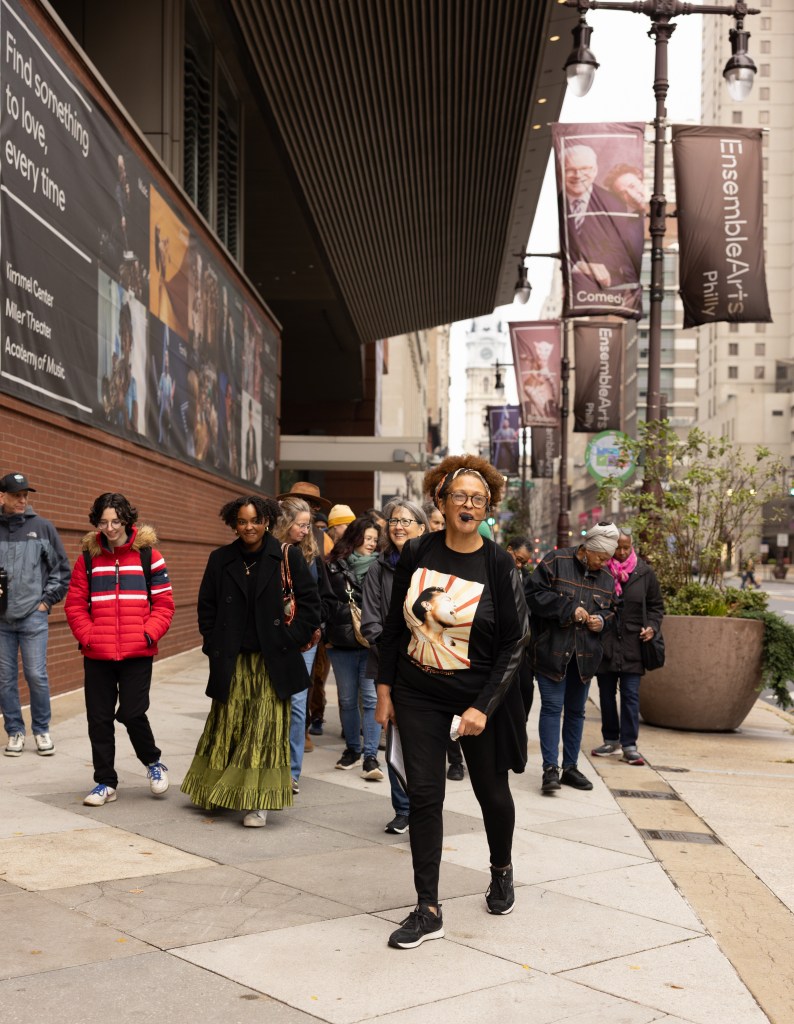
Throughout the year, Faye leads walking tours focused on Billie Holiday, Green Book sites and “The Strip,” West Philly’s historic commerical and entertainment corridor.

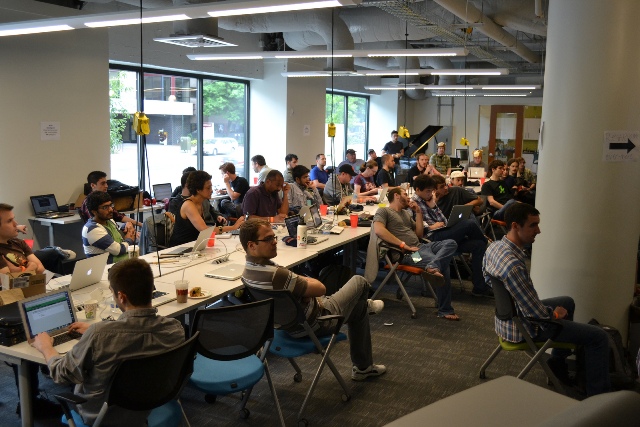
A Code for Philly project, All That Philly Jazz stems from Music Hack Day, a music hackathon held at Drexel University in 2013.

For more information about All That Philly Jazz, check out In the News.

 All That Philly Jazz